Buried beneath the headlines about heat pump rebates in Prime Minister Mark Carney’s latest retrofit announcement is a $107-million investment that could help transform how Canada retrofits its buildings.
The federal government is renewing the Deep Retrofit Accelerator Initiative (DRAI), which supports approaches that make building retrofits more accessible, efficient and scalable. It’s a significant step toward solving one of Canada’s biggest existing building challenges: creating a retrofit system capable of delivering deep energy savings and better outcomes.
Nearly two-thirds of our homes and buildings were built before 2000, and most will still be in use by 2050. Many need essential upgrades to cut energy demand and improve safety, comfort and affordability. However, the current retrofit system puts individual owners at the centre of complex planning and financial processes that are built around a fragmented sector. This often results in costly, one-off projects or single-measure upgrades rather than co-ordinated improvements.
DRAI can fix this by building a modern retrofit system that scales regional successes nationally. Increased funding and giving DRAI a longer-term mandate would help retain ecosystem trust and build upon momentum to advance innovative retrofit solutions.
Scaling up what works
Innovative retrofit solutions are emerging across Canada, and federal programs like DRAI and the Greener Neighbourhoods Pilot Program (GNPP) help shift them from one-off projects to transformative system changes.
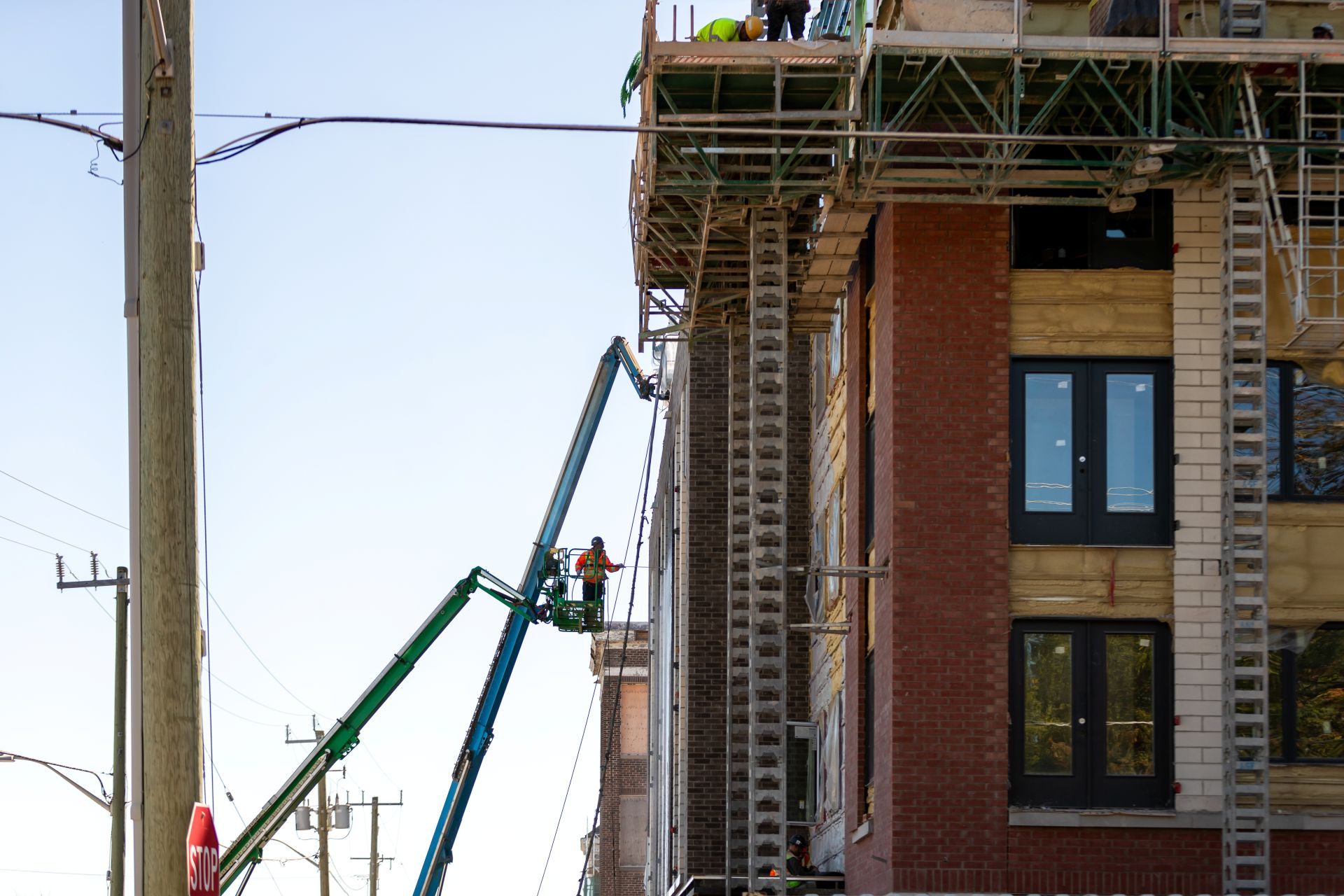
In Toronto, a 60-year-old seniors’ apartment tower is being upgraded with prefabricated exterior panels that are built off-site while residents of the 160 units remain in their homes. The Atmospheric Fund, a DRAI-funded organization, is developing a roster of contractors who are pre-qualified for prefabricated panel retrofits and connecting them with projects that are good candidates for this approach.
In British Columbia’s East Kootenay, thinkBright Homes and partners grouped 10 homes for collaborative retrofit planning and implementation, with plans to scale up to 20 homes for the next bundle. Case studies like these are being captured by a GNPP-funded organization, Retrofit Canada, in a public database to build owner and industry capacity.
Across Atlantic Canada, DRAI and GNPP funding has helped ReCover map more than 850,000 buildings to create a comprehensive guide of where deep retrofits could deliver the greatest benefits.
These examples demonstrate how market development teams and innovators can help to establish modern methods of construction, co-ordinate demand, and standardize processes while improving productivity and supporting Canadian businesses.
Ottawa’s renewed commitment to DRAI can further this agenda.
Building a national retrofit mission
In 2022, the federal government committed $185.5 million to launch DRAI and $35.5 million to launch GNPP. The original 32 DRAI and GNPP projects have been in the market for less than four years, and most for less than two. By comparison, the Dutch Energiesprong Market Development Team initiative took seven years to become fully operational.
Renewing DRAI is a welcome break from Canada’s history of short-lived retrofit incentives and programs. Ottawa should also renew GNPP. Longer-term programs give organizations time to build on their work, strengthen new delivery models and bring promising approaches to scale.
The next step is to evolve DRAI and GNPP from pilots into mission-oriented market development teams, with clear objectives to improve retrofit productivity, apply modern methods of construction, and support Canadian businesses and technologies. Better co-ordination across federal research, innovation and financing programs would help turn promising approaches into lasting changes across the retrofit market.
Beyond rebates and pilot programs
Transforming retrofit delivery doesn’t replace the need for other capital supports. The government’s new heat pump rebate can address costs for a fixed number of households but is not the same as comprehensively retrofitting homes and building the retrofit ecosystem needed to deliver them. Building envelope improvements and energy management systems are also needed to deliver deeper savings, improve comfort and reduce pressure on the electricity system.
DRAI and GNPP help ensure the market can support programs like the Canada Greener Homes Affordability Program. Expanding the program to additional provinces and increasing funding would help more low- and median-income Canadians lower their bills and live in safer, more comfortable homes.
Canada also needs to expand the Canada Infrastructure Bank’s (CIB) Building Retrofits Initiative mandate or create a national home energy performance fund to help the full scope of homeowners who need it. Like the CIB, such a fund would partner with retrofit accelerators, aggregators and financial institutions to ensure they can provide low-cost capital when owners need it most, such as when a heating or cooling system breaks down.
Canada’s buildings can do more than consume electricity
Making homes affordable while cutting emissions
An effective energy retrofit program for low-income households
Government financing programs, meanwhile, should reward fair and effective contractors. This would improve access to comprehensive upgrades and attract investment beyond short-term federal rebates and loans while incentivizing retrofit sector advancements.
Canada’s plan to retrofit one million homes should be a starting point, not the end goal. Ottawa now has two important pieces in place: dedicated support for households that cannot afford upgrades and renewed investment in transforming how retrofits are delivered. Adding durable, affordable financing and strategic delivery for other types of homes would help complete the approach.
The real opportunity is to build a system that can deliver comprehensive retrofits to the next million homes, and then millions after that.