(Version française disponible ici.)
Many of the new measures in the federal budget focus on affordability. This makes sense given that it remains a top priority for most Canadians. The government focuses its support at the lower end of the income spectrum, aiming to lift more Canadians out of poverty. It also makes a bold commitment to end homelessness within a decade.
What isn’t yet clear is whether it can deliver meaningful results for those most in need.
Income supports tackle poverty and food insecurity
The signature income-support measure in Budget 26 is another top-up to the Groceries and Essentials Benefit (formerly the GST/HST Credit). With more than $4 billion in spending, it promises to lift 120,000 people out of poverty in 2027. But it is a temporary top-up.
The increased Groceries and Essentials Benefit should be made permanent.
This is something we recommended at the end of 2023 as part of a collaboration between the Institute for Research on Public Policy, the Affordability Action Council and researcher Gillian Petit from the University of Calgary. We called for larger increases to meaningfully reduce poverty and food insecurity. We also suggested the benefit be paid monthly rather than quarterly to help manage recurring expenses.
Grocery prices and rent have increased by more than 30 per cent since 2019, and prices are likely to stay well above 2019 levels for some time. Inflation has slowed, but growth rates for the lowest incomes have not kept pace.
The top-up will only provide an additional $28 per month for a single adult, and about $57 per month for a family of four (though payments are made quarterly). That means, in total, single adults will get around $108 per month and families around $214 in the 2026-27 fiscal year (April 1, 2026 to March 31, 2027). That will help, but on its own will not be enough to address the challenge of food insecurity.
Slaying myths about income support
Tariffs and a possible carbon-rebate rollback show the need for targeted income support
Breaking down government silos to address the crises of homelessness and housing
Patients benefit from providing health care alongside housing and other social supports
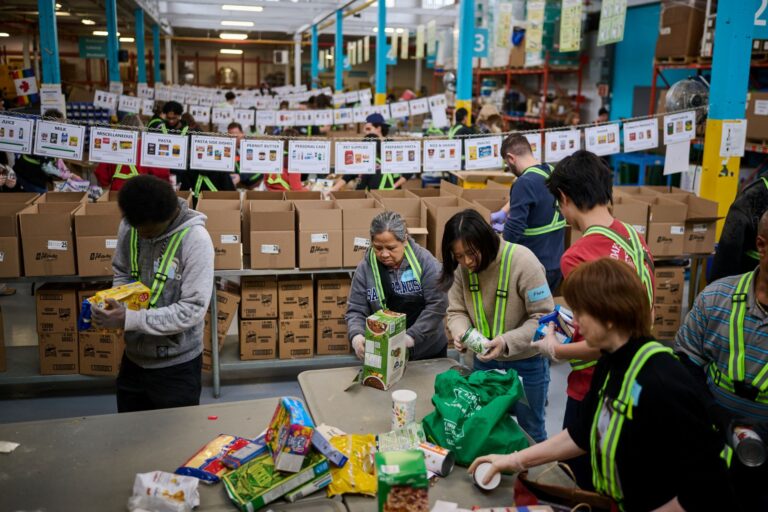
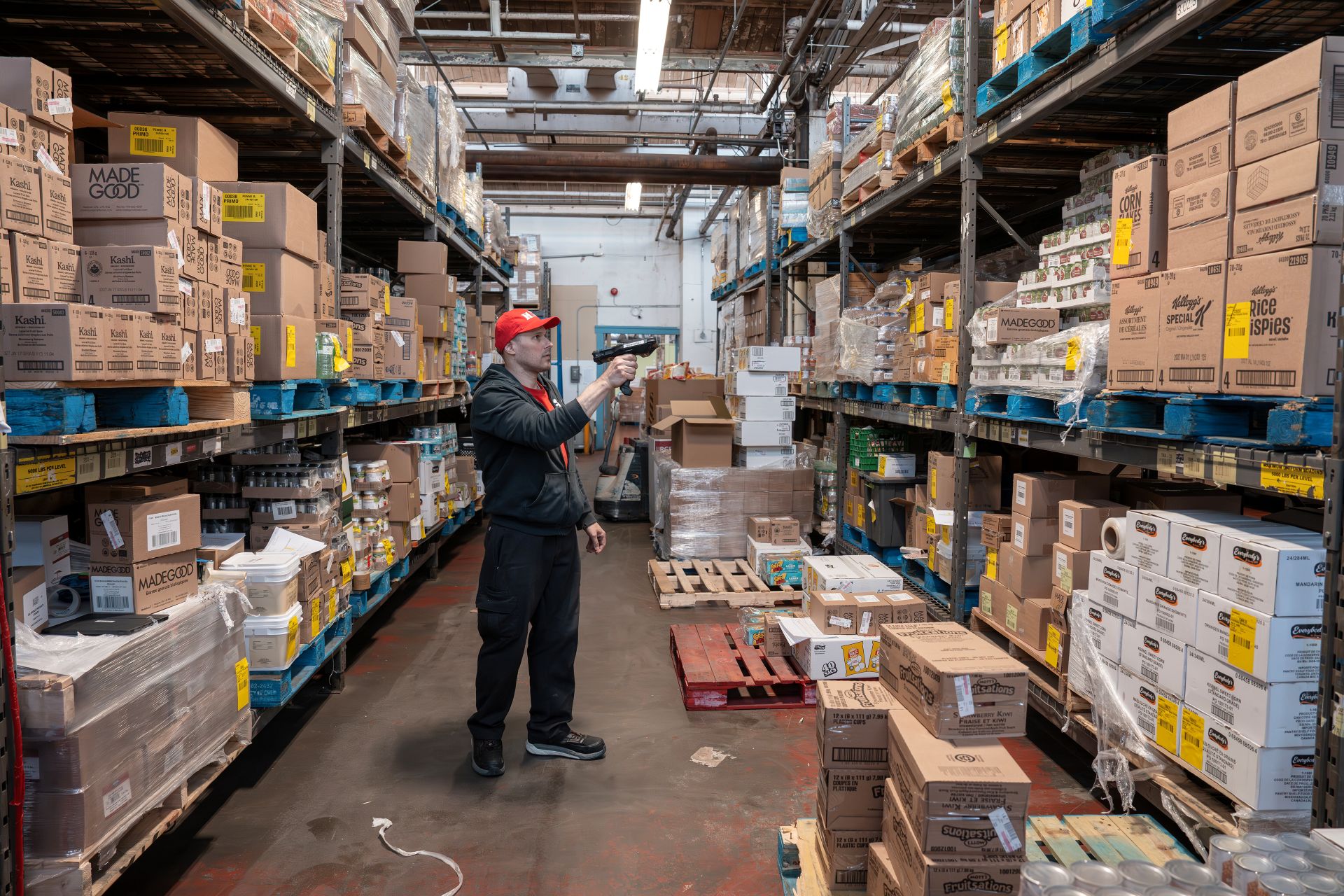
Around 9.8 million Canadians, including 2.4 million children, lived in food-insecure households in 2025. When the cost of everything is rising, groceries are often what people cut back on since rent and heat are fixed costs. The situation is most dire for lowest-income earners, who may remain below the poverty line.
Perhaps the longer-term plan is the Build Canada Workers Benefit, which enhances the existing Canada Workers Benefit.
Budget 2026 drops the minimum income threshold from $3,000 to $500, increasing the number of people who are eligible. It also increases the maximum benefit from $1,709 to $1,859 for a single adult, and from $2,943 to $3,143 for a family. This promises to lift 240,000 people out of poverty.
The workers benefit does not, however, apply to most postsecondary students, nor does it apply to people without any income. Some people will fall through the cracks.
The government also plans to end advance payments for the workers benefit, which means eligible workers would have to wait until after filing their taxes to receive their benefits. That would eliminate payments that exceed recipients’ eventual entitlement. But it would also remove a source of income during the year for low-income workers who may struggle to cover recurring expenses.
The savings from that and administrative costs would outweigh what the enhancements will cost.
Starting in 2028-2029, the move would bring savings of $871 million per year, while the cost of the expanded benefit is only $515 million per year — a net saving of $356 million per year, according to the budget estimate.
For anyone who needs to stop working or reduce hours to care for a family member with a mental or physical impairment, the Canada Caregiver Credit will now be available to those with income too low to pay taxes. A caregiver can now receive up to $1,260 every year even if they do not pay income tax.
None of these measures will help anyone who doesn’t file their taxes, however.
We know that nearly 20 per cent of people earning less than $20,000 per year do not file their taxes. New money has been set aside for the Canada Revenue Agency to implement previous commitments to automatic tax filing. This will help get benefits to more people. But a bigger effort is still required to reach people with unstable housing and limited digital access.
Is ending homelessness within a decade possible?
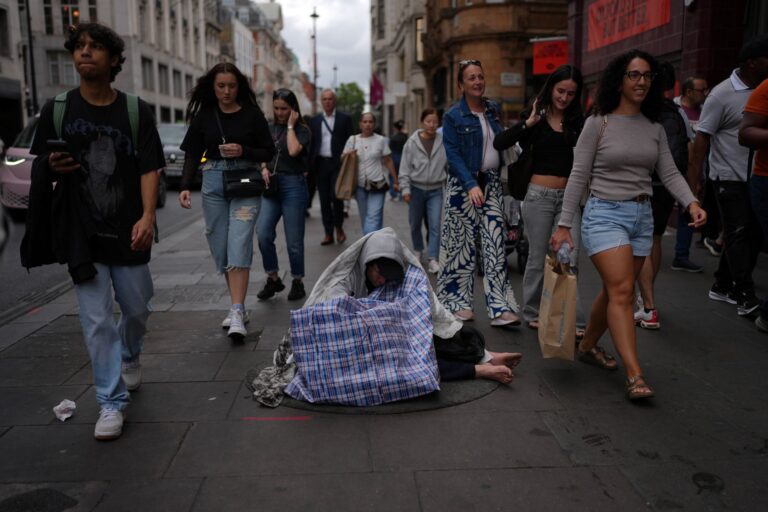
The Trudeau government referenced ending homelessness in 2020, 2021, and 2022. Yet homelessness has increased in most parts of Canada since that time. More than 121,000 people used emergency shelters in 2025, and the average length of stays increased substantially over the past decade. In 2025, more than 65,000 people were experiencing homelessness on a single night across 75 communities, up 60 per cent from the 2020-2022 count.
Budget 2026 makes another bold commitment to put Canada on a path to end homelessness within a decade. It describes the commitment as a call to action to every level of government, as well as others that play a role.
So, the federal government is not promising to achieve the goal on its own. While it is a laudable objective, a credible pledge needs clear metrics of success, interim targets and shared commitment from other levels of government.
For its part, the federal government promises $11.2 billion over four years in new spending targeted at homelessness.
It includes many things that experts have recommended:
- $3.6 billion for supportive and transitional housing;
- $1.8 billion for integrated housing, health, mental health, addictions and social supports;
- $2 billion for mental health and addictions infrastructure;
- $2.1 billion for direct outreach and prevention programs;
- $1.7 billion to renew the Canada Housing Benefit.
- It also announced a new Centre for Mental Health and Addictions in Winnipeg.
In addition, the budget commits an additional $13 billion to Build Canada Homes to “supercharge” non-market housing across the country. This could help prevent overburdened renters from ending up homeless if it sufficiently targets deeply affordable housing.
The commitment to provide $11 billion over 10 years for First Nations housing will make a difference. So will the $1.7 billion going to on-reserve housing over five years.
But the federal government can’t end homelessness alone.
It commits to financing the capital costs of housing, but the operating costs will be left up to provinces and territories. Nonprofit organizations also do a lot of heavy lifting on homelessness. They could get support from Build Canada Homes as part of the Integrated Supports Fund, but an average of $450 million per year across the whole country will only go so far.
The well-regarded Dunn House in Toronto is poised to house 100 people after its expansion, with capital costs in the tens of millions and ongoing operating costs exceeding $2 million per year. Indigenous partnerships will also be critical given that Indigenous Peoples have some of the highest rates of homelessness in Canada.
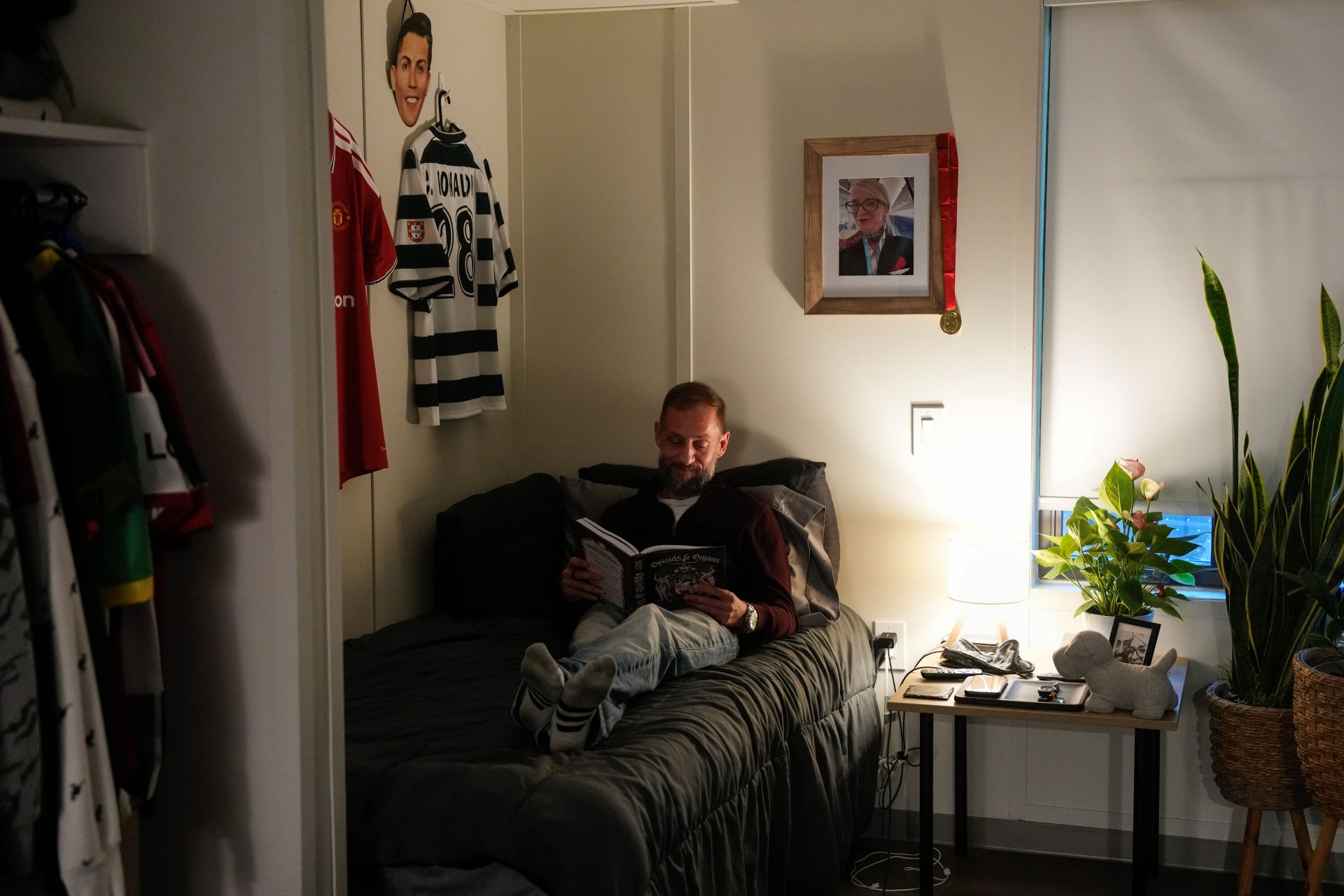
Effective implementation will determine the government’s success or failure on homelessness. As with most things coming out of the Carney government, the programs will need to roll out fast to spend the billions of dollars earmarked for the 2027-2028 fiscal year. Doing that effectively will be challenging.
Right direction, but not a panacea for affordability and homelessness
Increased income support, expanded non-market housing and wraparound supports for those experiencing homelessness have all been key recommendations from affordability and housing experts. The budget makes progress in those areas, but it remains to be seen whether the scale will be sufficient and whether the necessary partnerships can be put in place quickly and effectively to achieve results.
Canada has been falling behind on homelessness and food insecurity for some time. At the very least, these budget measures could help to reverse these trends in the coming years.
But people will still fall through the cracks.
The Groceries and Essentials Benefit top-up is temporary. Those who don’t file taxes but are not homeless won’t directly benefit. Low-income students won’t get the Workers Benefit. With over 300,000 households having at least one member on the waiting list for social housing, it will take time for non-market and supportive housing investments to make a difference.
The budget represents important progress, but it is too soon to declare success. We will need to see clear indicators of meaningful and lasting improvements for the Canadians facing the greatest hardship.