Prime Minister Mark Carney in June announced roughly $3 billion in funding over 10 years as part of Canada’s first national food security strategy (NFSS). The vision to strengthen Canada’s ability to feed itself into the future begins to put some important pieces in place, but others are glaringly absent.
The plan must do more for the one in four Canadians who experience food insecurity. It is surprising that a strategy with food security in the title does not address adequate income supports so no one goes hungry, for example, by increasing and making permanent the Grocery and Essentials Benefit. Nor does it address other structural causes such as equitable access to land for Indigenous food sovereignty and broader community food gathering and production.
The NFSS is an example of the politics — and geopolitics — of the day. The government is increasingly interpreting food insecurity not as a daily crisis for millions of people across the country, but as a national-security issue. As Carney said at the World Economic Forum: “A country that cannot feed itself … has few options.” As a result, the strategy is more about securing Canada’s food supply than ensuring people have enough to eat. No one should be hungry in Canada — ever. That should be the starting point for any food security plan.
Some important pieces are being put in place
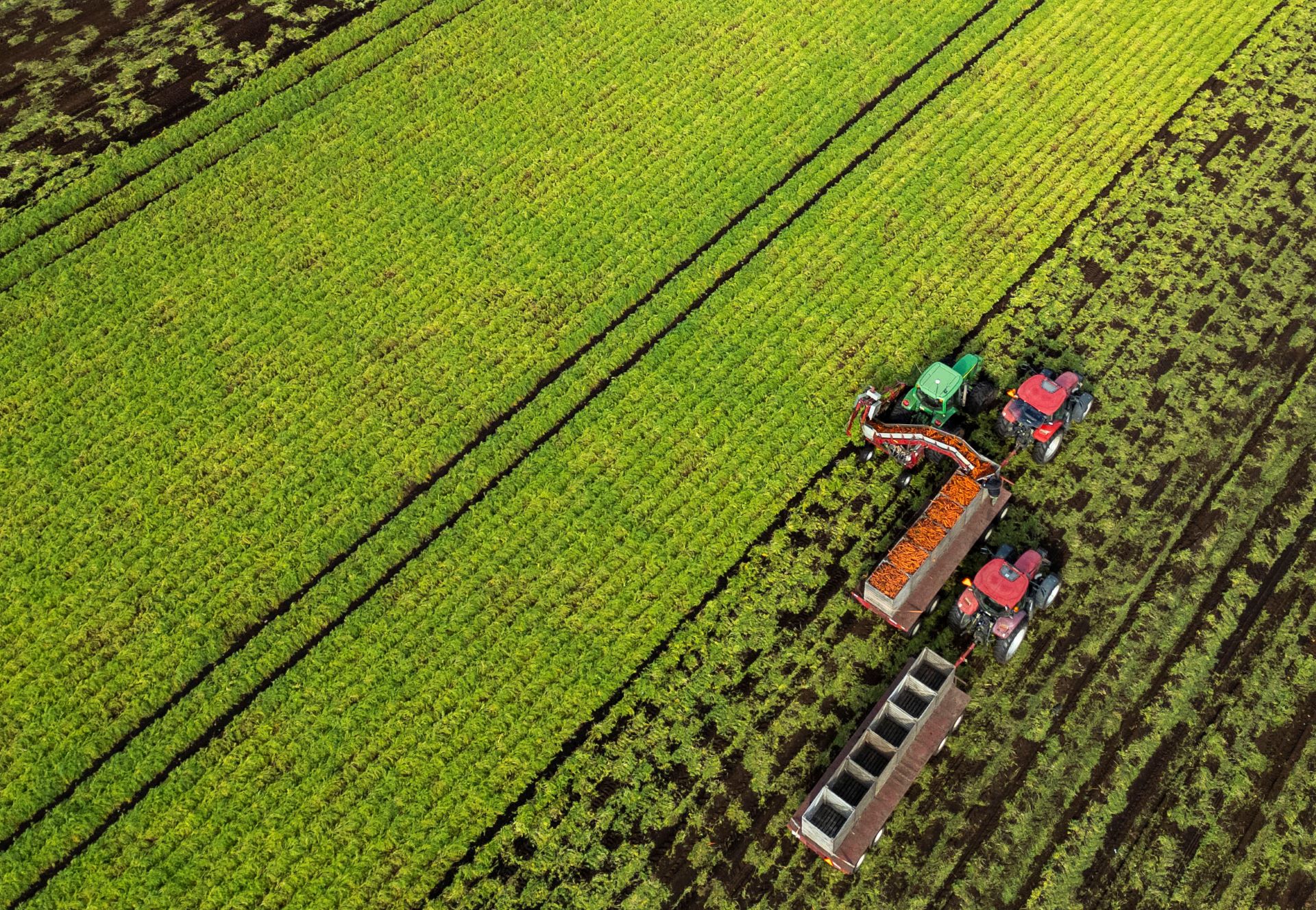
Movements across the food sector — from farmers to non-profits to co-operatives and small business associations — have long been calling for generational investments in local and regional food production, aggregation and distribution. The government is beginning to hear that call. The strategy includes a $1-billion fund for food terminals and food hubs, which are crucial for small- and medium-scale producers and processors to supply local and institutional buyers. It means businesses will more easily circumvent larger corporate players, keep supply chains and value within a region, and increase access to new local and regional buyers.
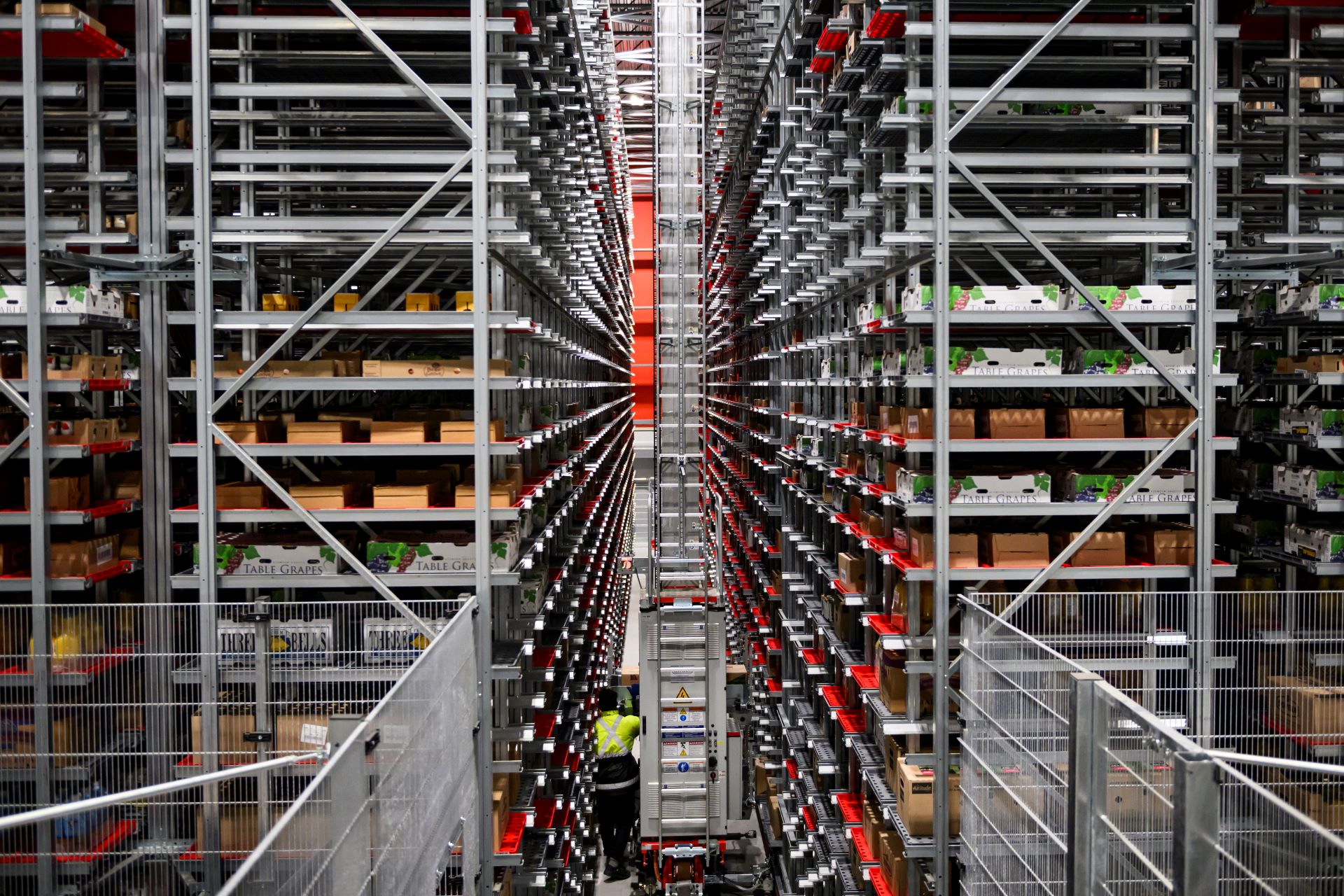
But it will be essential that this fund supports management and ownership by organizations that are either public, non-profit, co-operatives or social enterprises. Eligibility for assistance will need to be based on criteria that prevent large private corporations from scooping up grants. Stringent requirements will reduce the risk of further consolidation of large agribusiness, food service and distribution.
The strategy’s $150-million food security fund and $100 million to support rural and northern communities are good examples of the kind of strategic investment needed to truly build food resilience. Such funding must be rooted in Indigenous and local communities, as well as in organizations that understand local needs and strengths. However, the amounts fall far short of what is needed, and pale in comparison to the nearly $2 billion in funding for which large firms would be eligible.
Competition and consolidation: a mixed picture
There are regular headlines on anti-competitive strategies used by mega grocers to increase profits — like price fixing, property controls, price gouging and surveillance pricing. Five companies control almost 80 per cent of our supermarkets and an analysis of Statistics Canada figures by Food Secure Canada shows the price of food has risen by 30 per cent since 2019.
The NFSS promises to strengthen the Competition Bureau and the Competition Tribunal, which are important players in our food governance. And the announcement of a thorough review of the food supply is a welcome step. However, any recommendations must be legislated and mandatory. For example, despite the government’s own researchers calling for a binding grocery code of conduct, it was instead made voluntary — and has been largely ineffective.
Community food systems are critical to Canada’s national security
Canada can stop surveillance pricing before it reaches the checkout
The need for food sovereignty in northern Indigenous communities
The strategy must also have guardrails not only against large mergers, but consolidation of smaller players. If it hands out grants to small businesses that are then bought up by larger ones, that becomes another backdoor to funnel public money to the oligopoly that is contributing to the spiralling cost of food.
The priority has to be financial support for co-operative, public and non-profit players, which also protects them from consolidation and profiteering. Food Secure Canada is advocating that funding for local food infrastructure should increase to at least $500 million per year, with dedicated streams for Indigenous food systems, co-operatives and independent and non-profit retailers.
The strategy also lacks safeguards against speculation on land, the high cost of which is often the biggest barrier for new farmers. We need a public farmland protection fund — modelled after initiatives like the Quebec Farmland Trust — as well as tax incentives and affordable financing for new and historically marginalized farmers.
Other missing puzzle pieces
It is a basic premise in economics that demand drives supply. The buying power of public institutions is the most game-changing driver we have to strengthen local and regional food production.
The NFSS recognizes that schools, hospitals, and other government institutions have the purchasing power to create stable demand for Canadian producers and processors. But it stops short of enacting any policies to leverage this. Canada could follow Brazil, where a minimum of 30 per cent of food for schools has to be bought from family farmers, which has dramatically increased domestic food self-sufficiency. Similarly, the NFSS could launch a “Buy Canadian, Buy Local” policy that would mandate a certain percentage of school food be locally or regionally sourced.
Funding for non-profit, co-operative and public retail should also be understood as a lever to increase demand for local and regional food. For example, in much of the North, many communities are stuck with monopolies that make immense profits while receiving government subsidies. Support for a community-led, public option for groceries would drive down costs for consumers, while at the same time support hunters, harvesters and local suppliers. In Greenland, for instance, a publicly owned grocery store sells essential goods and locally harvested foods in the country’s most remote communities.

Finally, there are a number of announcements in the strategy which take us backwards. Notably, the government has announced that it will have “new powers” to approve temporary use of pesticides that have been previously banned. This is being vigorously opposed by farmers and environmental groups and must be urgently reversed.
Getting the full picture
The national food security strategy still needs work. Most promising is that the federal government appears to be recognizing that local food infrastructure is a priority. Food-movement advocates have long pushed for this.
The task ahead is to ensure that government commitments address livable incomes and equitable land access, ensure that investments serve the public interest, and enforce laws to rein in anti-competitive behaviour. Then we can build a truly food-secure Canada.