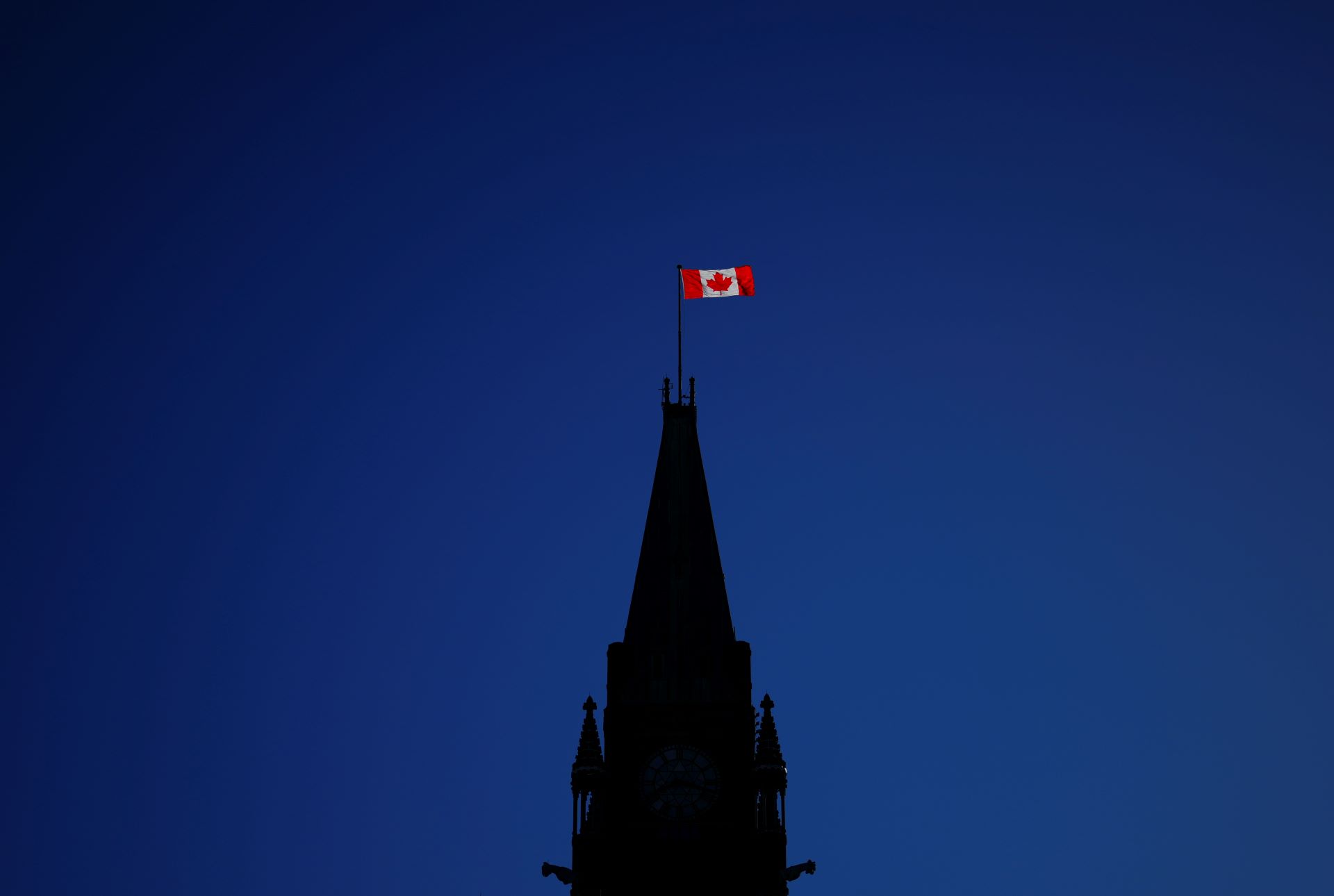
Today is Canada’s birthday, as our wonderful country celebrates its 159th year.
One of the things that distinguishes this birthday from most other Canada Day celebrations is that “Canadian sovereignty” is now a regular feature of our political discourse. It’s been more than a generation – since the 1980s, around the time of the original Canada-U.S. Free Trade Agreement – that sovereignty has been so prominent a topic.
But what is sovereignty? And more specifically, what is Canadian sovereignty?
Sovereignty takes many forms, with political, military, and economic sovereignty being the most prominent. To sustain political sovereignty, most people believe it’s critical to have domestic capabilities in military and economic affairs.
Others believe some decision-making can be shared with non-domestic actors that we live in an interdependent world and we can safely secure some of what we need or want through partnerships and negotiated agreements.
Pure sovereignty? We knowingly cede that. We de facto agree that some things will be decided outside of our borders:
How many electric cars will be produced this year, for example? How many computers? How many dishwashers? How many pairs of running shoes? How many philosophy books? How many commercial aircraft? Someone in another country decides. But who cares?
Canada’s sovereignty needs more than guns and steel
When borders become suggestions
How Canada can prepare for high-pressure U.S. demands on sovereignty and trade
What Trump’s threat to Canadian sovereignty reveals about Indigenous struggles
All we need is the sovereignty to choose our political representatives so that Canadians – and only Canadians – decide the issues associated with legal statehood, such as: what is legal and not legal in this space? How do we interpret our laws? How do we change them?
But does our political sovereignty really date back to July 1, 1867? Is that the day Canada started making decisions that had been made for it by someone else?
Not exactly.
What precisely we celebrate every July 1 is a bit more muddled than most people realize.
Canada was born loyal
July 1, 1867, did indeed begin a long and durable period of constitutional continuity for Canada as the British North America Act (BNA Act) came into force.
Ah, thus begins our first complication.
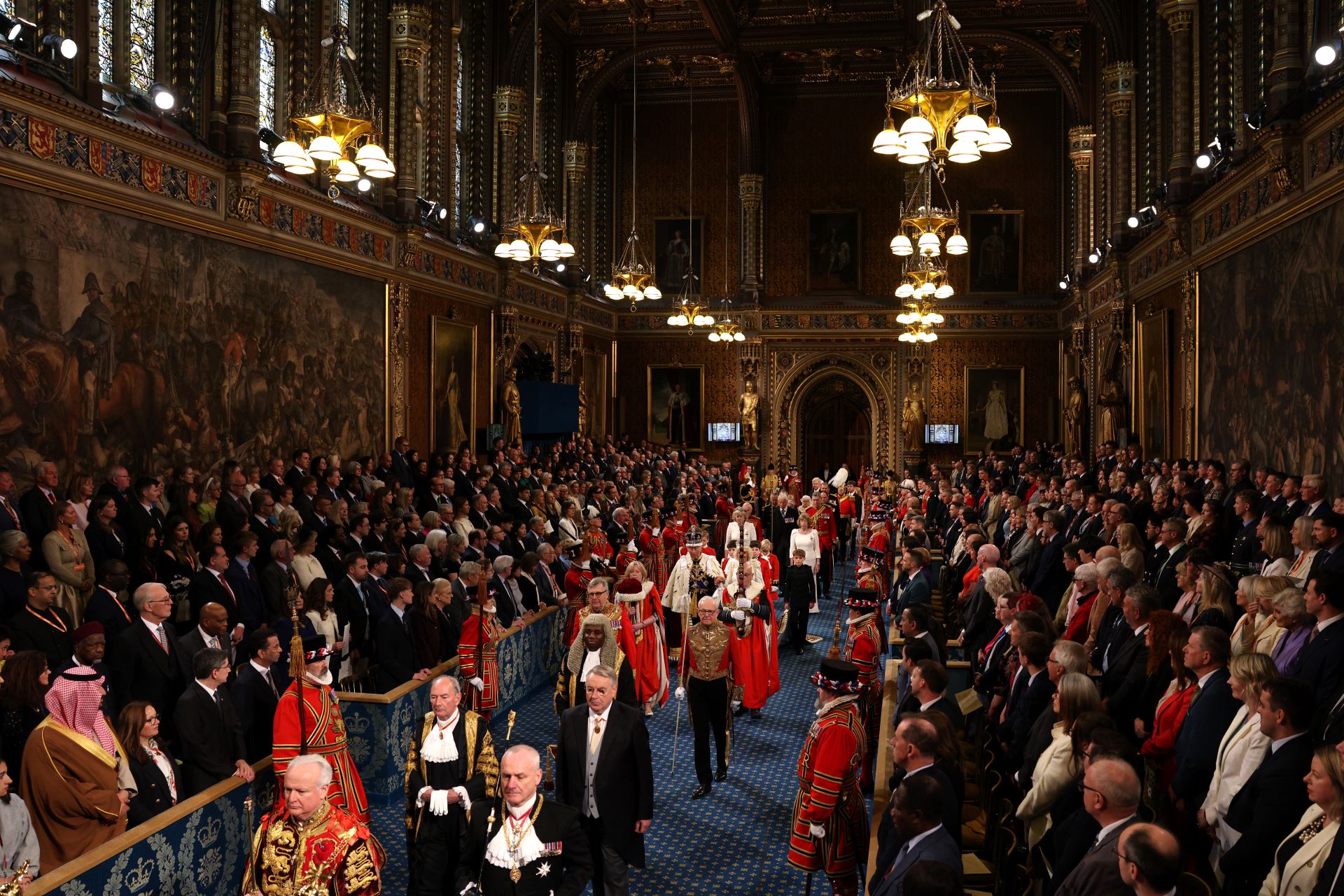
We celebrate Canada’s “birth” from an act of the legislature of another country, the British parliament. This was decidedly not the case with our American neighbours, who in 1776 declared independence from the British Crown and the British parliament.
In 1867, Canada continued on as a British colony. We affirmed that we were loyal. We were the Loyalists. We did not rebel. Sovereignty continued to vest in the British Crown.
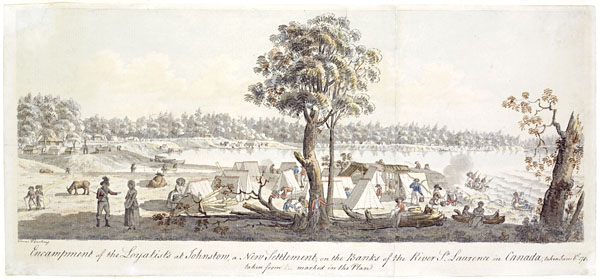
That is why so few of us have ever read the 1867 Canadian Constitution. It was explicitly an administrative document, not a philosophical document like the Declaration of Independence.
So, if sovereignty means that all legalistic issues are decided by the people who live in this land, 1867 was not it for us.
Far from it.
Instead, Canada marked many milestones along the road to political sovereignty:
- 1914: Canada enters the First World War but does not declare war. Instead, the British parliament declares war, and Canada, as part of the British Dominion, is simply now “at war.” Canada fought. Over 60,000 Canadians were killed. But, remarkably, going to war was not a domestic decision. How can you be sovereign – nearly half a century after 1867 – if others can declare your citizens to be at war?
- 1926: close to 60 years after 1867, Canada is still represented in Washington by the British ambassador to the United States. In 1926, Britain gives Canada the authority to have its own representative to the United States, and the prime minister appoints Vincent Massey as an envoy. The title of ambassador wasn’t given to the position until 1943. So, are you sovereign if others represent your interests to your next-door neighbours?
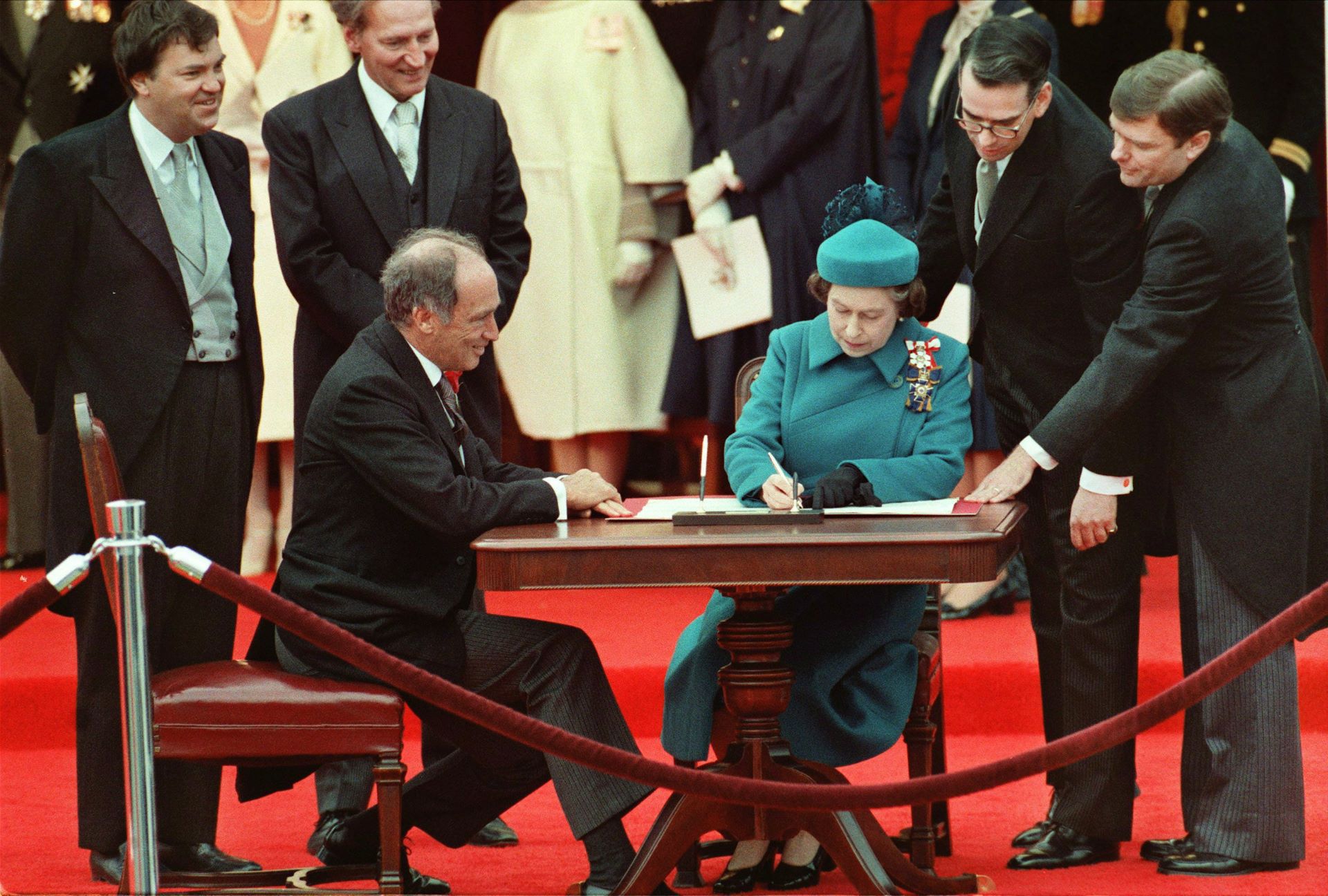
- 1931: the Statute of Westminster makes Canada responsible for its own domestic affairs. That day – Dec. 11, 1931 – is in many ways the more accurate “birthday” for Canada, more than 60 years after 1867. Under the statute, a British law, the British parliament agreed to no longer legislate in Canadian affairs unless Canada asked for and consented to legislation. This was the arrangement right up and into the modern era. This is important. In the lead-up to the 1982 patriation of the constitution, British parliament still had the power. When then-prime minister Pierre Trudeau proposed unilateral intrusion into the BNA Act of 1867, some premiers were so determined to protect their provincial jurisdiction that they threatened to go over Trudeau’s head to enlist the British parliament in their fight. It wasn’t until the patriation was complete that the British parliament’s power to legislate was eliminated.
- 1939: Canada declares war against Germany as part of the Second World War. It’s a domestic decision, as sending your citizens to war should be for a sovereign country.
- 1947: Canadian citizenship is established. Prior to this, for 80 years after 1867, people born in Canada were born as British subjects. Who was our first official Canadian citizen? Our 10th prime minister, William Lyon Mackenzie King. How can you be a sovereign country if people born on your land were born as subjects of another country?
- 1949: the Judicial Committee of the Privy Council loses its role as the de jure final arbitrator of Canadian law. That responsibility passes to Canada’s own domestically established and constituted Supreme Court. For the first time in over 80 years since 1867, Canadians have final say as to what definitively constitutes legality in Canada. Obviously if a body outside your country has the final say on what your laws mean, are they really “your” laws?
- 1982: Canada patriates its constitution, including an articulated series of fully domestic amendment formulas. The last vestige of colonial status is finally eliminated.
Important symbols of Canadian political sovereignty also came long after 1867. Our flag? 1965, almost a full century after 1867. Our national anthem? Officially adopted in 1980. Even up to 1982, “Canada’s birthday” wasn’t called Canada Day. It was “Dominion Day.”
On April 17, 1982, the late Queen Elizabeth II travelled to Ottawa and sat with then-prime minister Pierre Trudeau to sign the proclamation that brought the Constitution Act, 1982, into force. THE CANADIAN PRESS/Stf-Ron Poling
So, since 1867, we have been domesticating all of the instruments of state: what does Canadian law mean? Who and what constitutes a Canadian citizen? What symbols represent Canada abroad such as our national flag and our national anthem? When do we declare war? How do we change our constitution?
Only since 1982 has our political apparatus been fully sovereign, with only Canadians answering these questions. No one else.
So, happy birthday Canada. Not sure how old we really are.
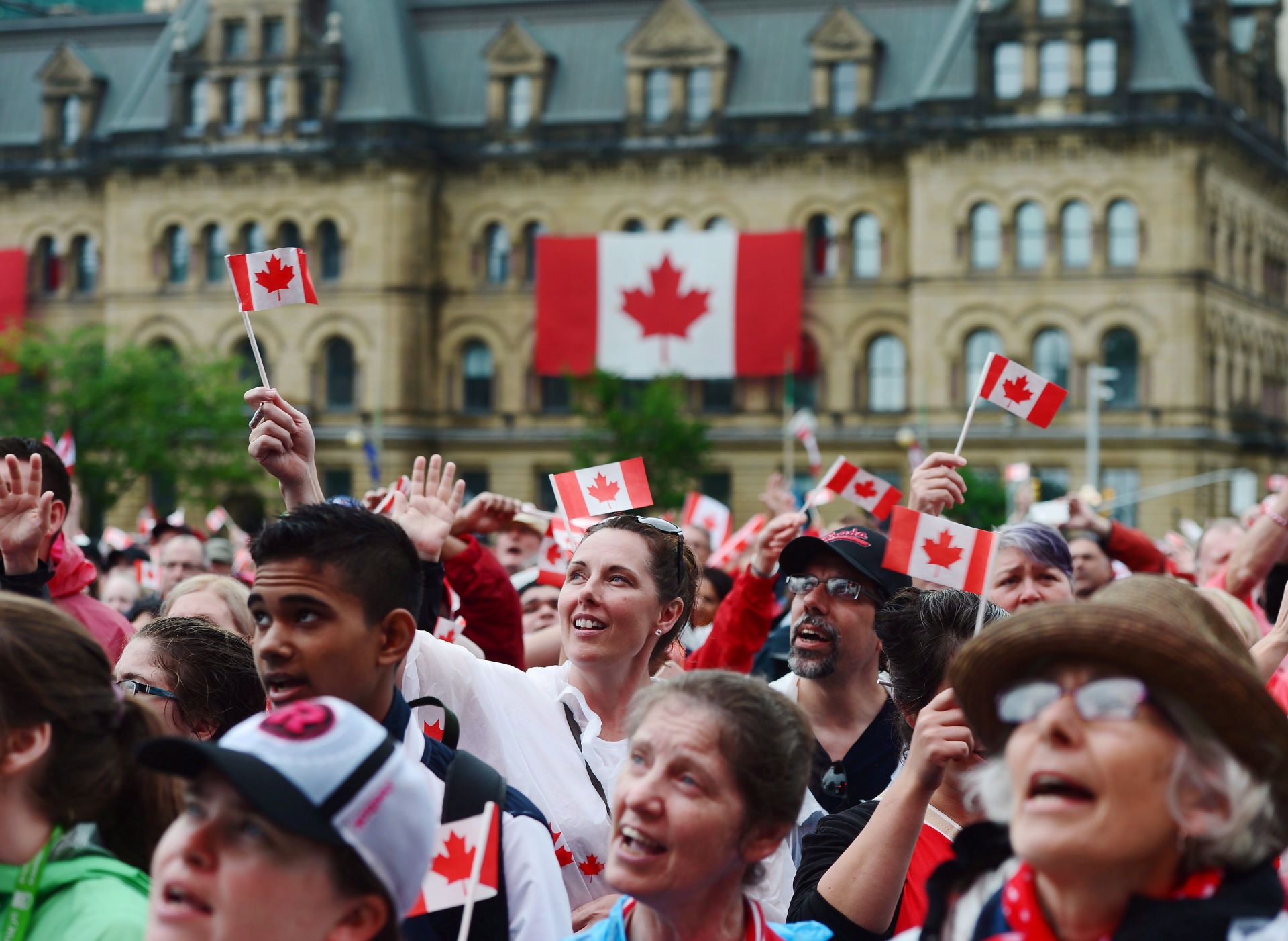
But as Canadians grapple with questions of sovereignty and sovereign capabilities more than we have in generations, it’s worth remembering that we have achieved sovereignty in different things at different times. And whether or not this is our actual birthday, we know that today we have to keep working on sovereignty in all its facets so that Canada can live to have many more birthdays.
Taki Sarantakis retired today – on Canada’s birthday? – after a decade of being a deputy minister in the Government of Canada.