Canada is rapidly rethinking its global economic and trading relationships in the face of tariffs and other economic pressure from the Trump administration.
As we look to strengthen ties with the European Union (EU) and build a more resilient Canadian economy, we should also look at what we can learn from our European partners about some of the challenges we share.
Food waste is a good place to start.
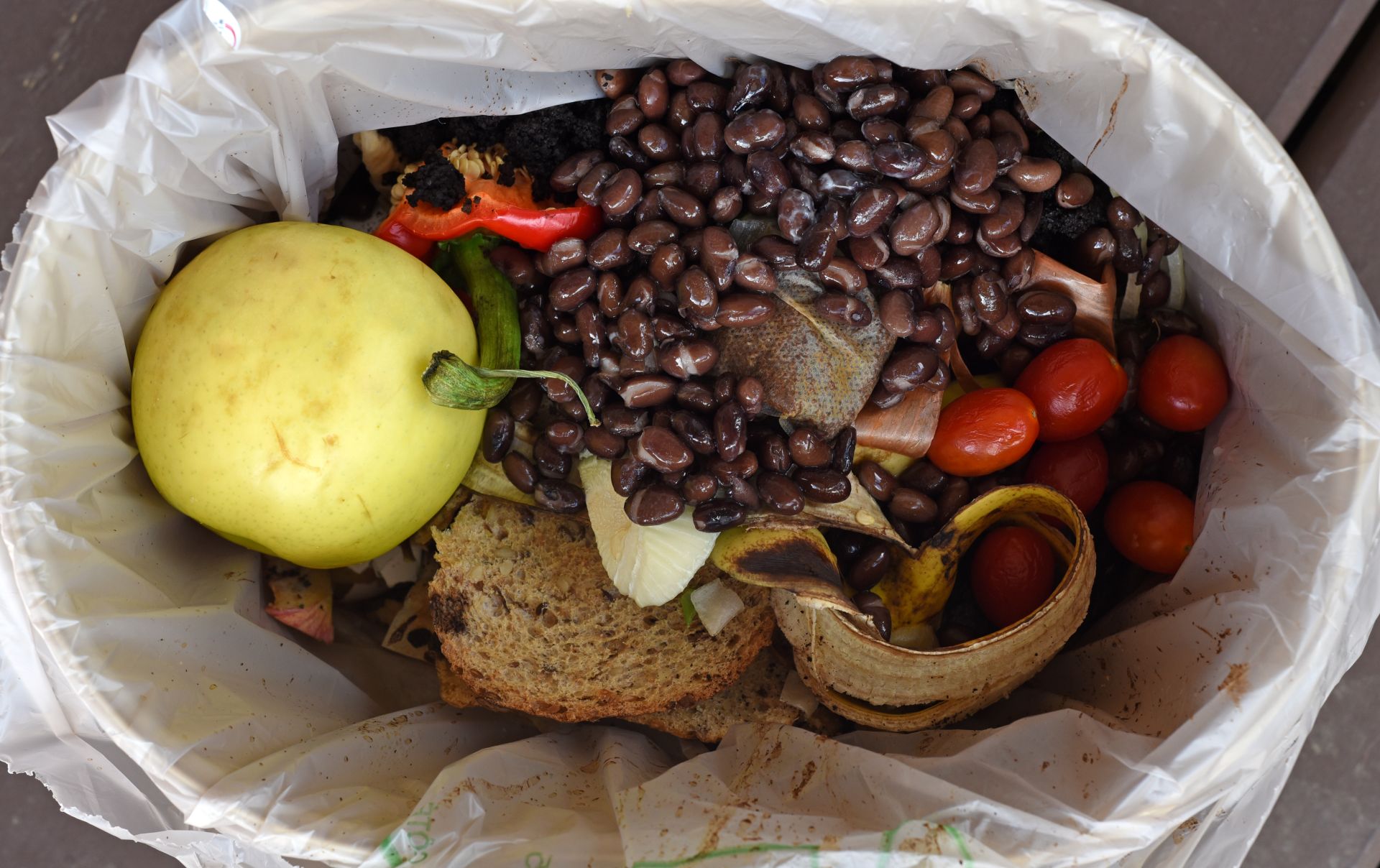
Canada produces an abundance of food, yet we don’t capture the full value of what we grow, process and bring to market. A 2024 report from Second Harvest, Canada’s largest food rescue organization, estimates that nearly half the food (p. 6) produced in this country is wasted and 41.7 per cent (p. 6) of that waste – worth an estimated $58 billion annually (p. 11) – is avoidable, despite it being a problem with many solutions.
Avoidable food waste happens at every stage of the supply chain. Farmers experiencing a bumper harvest could have difficulty finding buyers for their excess crop, changes in consumer preference could leave retailers with surplus inventory or confusion over “best-before” date labelling could lead to consumers throwing away food that’s still good to eat.
The EU has already made great progress in reducing food waste. Canada does not need to copy its approach. Our food system, geography and federal structure are different.
But we can learn from the principles it uses – measure consistently, establish a baseline, set targets and track progress on practical measures. This will help governments and industry track development, assess returns on investment and target the most effective interventions.
Not just a household or waste management issue
Avoidable food waste from production through the retail and hospitality industries alone costs $17.7 billion annually (p. 11), equivalent to roughly 12 per cent of all spending by these sectors on food and beverages. This includes disposal of surplus food that has been cooked but not served or ingredients prepared in bulk that go unused.
Waste-related production, transportation, storage and disposal costs are ultimately built into the price we pay for food.
The Second Harvest report also says avoidable food waste equates to 25.7 million metric tonnes (p. 7) of CO₂ emissions every year, the equivalent to the annual emissions of 5.6 million passenger vehicles.
We have built a systemic inefficiency across our entire supply chain, with identifiable causes and practical solutions.
Past federal government initiatives such as the food waste reduction challenge and the pandemic-era surplus food rescue program were welcome. Canada is also a signatory to United Nations sustainable development goal 12.3, which aims to halve per-capita global food waste at retail and consumer levels as well as reduce losses along supply chains by the year 2030.
Despite this, Canada lacks a co-ordinated, national approach to this issue. If we look to our European peers, our next steps are clear: Measure it, set a target and monitor it.
The time to act is now
More than a decade ago, the EU chose to shift from a feeling of inevitability on the issue to a position of action. Canada should leverage this unique moment of increasing closeness with Europe to rethink an issue it has long recognized as needing a whole-of-government economic and environmental approach.
The EU has already carried out important steps to prevent food loss and waste.
These include elaborating a common methodology to measure food waste consistently; establishing a platform on food loss and waste; taking measures to clarify EU legislation related to waste, food and feed; facilitating food donation and use of food in animal feed that is no longer intended for human consumption; and examining ways to improve the use of date marking by actors in the food chain and its understanding by consumers.
The EU requires member states to measure and report food waste annually using a common methodology, tracking from primary production through to households. Countries must conduct broad, representative measurement at least every four years.
The data is submitted to the EU equivalent to Statistics Canada and provides the foundation for binding food waste-reduction targets for 2030.
We can follow suit. The federal government should work with the provinces, territories and sector stakeholders to establish a common national measurement methodology, an approach to collecting baseline data and together set measurable domestic targets.
Models exist for Canada
There is even a Canadian foundation of leadership on which to build. Stakeholders here are already working with international partners on standardized approaches to measurement.
CSA Group, Canada’s largest standards development organization, has a new food waste standard that provides organizations with a common language and metrics to track waste consistently across the supply chain.
Using the courts to combat food waste
Canada’s food security strategy leaves too much off the table
Last month, the International Organization for Standardization, which is responsible for developing thousands of international standards from shipping container sizes to food safety processes, released a new management system aimed at the prevention and minimization of food waste across the supply chain.
The release of standardized options for Canada to adopt is a welcome milestone.
Second Harvest participated with others in the development of both of these because we know standardized measurement is the essential first step toward a future in which food waste is not an invisible assumed cost, but a manageable problem.
Actions that are needed
What gets measured gets managed and the pieces are in place for Ottawa to take the necessary steps.
First, work with provinces, territories and industry toward a common national measurement methodology, building on the new CSA Group standard alongside the International Organization for Standardization framework.
Second, decide together on an approach to collect data so a national baseline can be established, helping governments and industry track progress. The collection of food waste data by Statistics Canada is an obvious option.
Third, set measurable national food waste-reduction targets that work in the Canadian context, as the EU has done for 2030. Reasonable targets could be established through robust government consultation, as well as data from successful reductions in other jurisdictions and consideration of environmental, social and economic impacts.
Canada should also look to international initiatives. For example, the UN food waste breakthrough program mandates that national governments which are signatories must integrate food waste into their emissions-reduction and biodiversity plans, among other things.
The EU made this choice more than a decade ago. Canada now has the standards, the expertise and the partners to follow. What’s missing is the decision to act. Every year we wait, billions of dollars in avoidable food waste is built into what Canadians pay at the checkout.
As the plan for a deeper Canada-EU relationship comes closer, we have an opportunity to make progress together on a broad range of shared economic, climate and social imperatives. Reducing food waste can be one of them.
It’s time for a different approach to fixing this illogical problem, with a little inspiration from our friends.