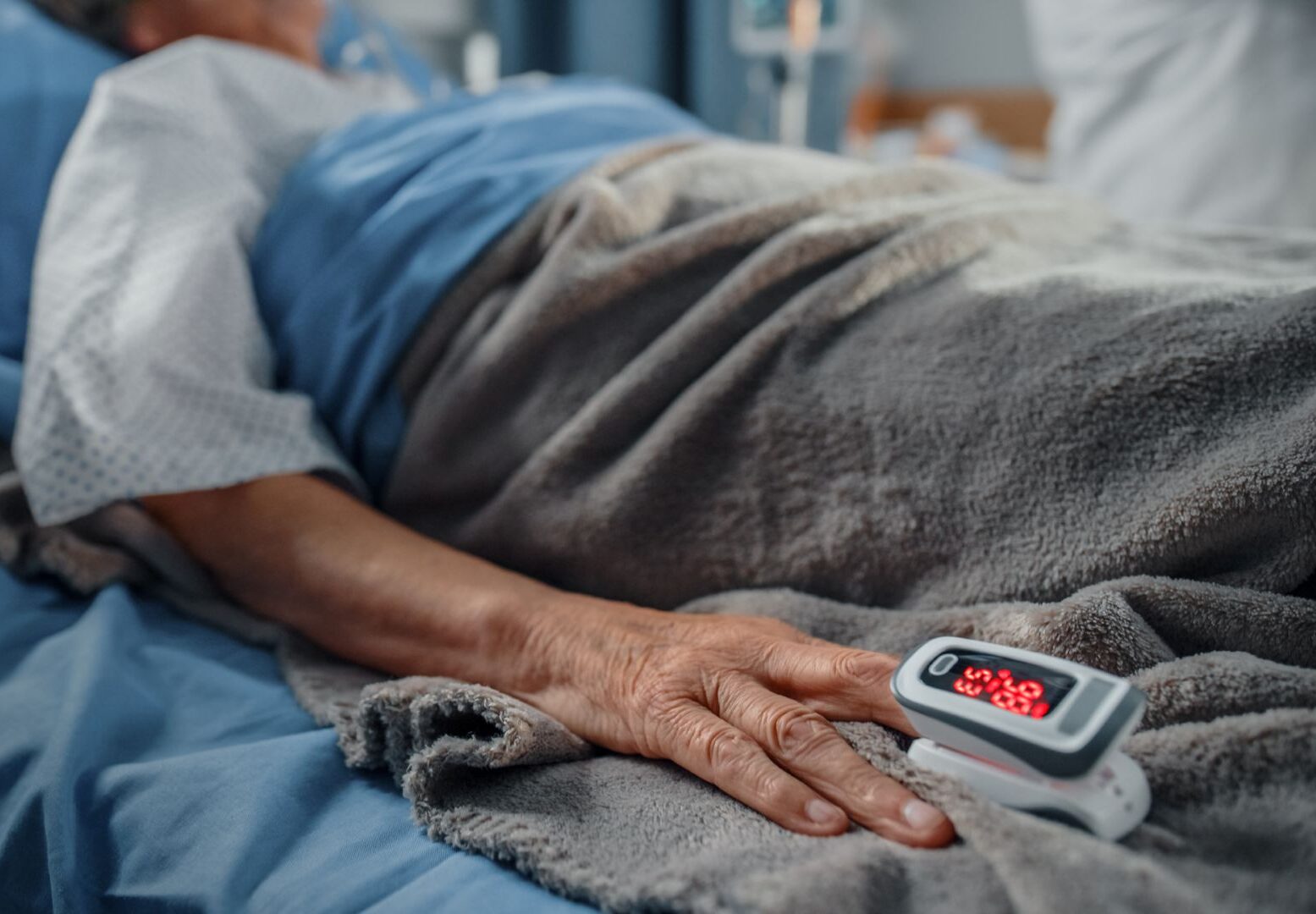
Few legal distinctions matter more than the line between life and death. It determines whether someone still has legal rights, whether medical interventions should remain a part of active treatment, whether organs may be recovered and when rules governing criminal responsibility, insurance and inheritance take effect.
Yet Canada has no harmonized legal definition of death that applies across the whole country. Some provinces and territories define death in legislation, while others rely on common law, organ-donation statutes and accepted medical practice. The does not necessarily mean that Canadians are declared dead differently depending on where they live. A brain-based definition is already widely accepted in Canadian medical practice. The deeper problem is that the source, wording and scope of standards vary on a matter that defines the boundaries of legal personhood.
Should governments define death in legislation?
There are credible reasons to answer no. Death is not merely biological. It has profound cultural, religious and philosophical meanings, and no legal formula can resolve every disagreement about when human life truly ends.
The British Columbia Civil Liberties Association made a more practical version of this argument when it responded to a proposed definition of death by the Law Reform Commission of Canada almost five decades ago. The association argued that rather than try to pinpoint the moment of death, governments could regulate its consequences separately. This could be done by establishing when treatment could be discontinued, when organs could be recovered, when an estate could be distributed and when other legal rules would be triggered. This would allow for the resolution of practical questions without needing to settle on the meaning of death.
A legislated definition also risks locking in a scientific standard. A poorly drafted law could create more uncertainty than it resolved and prove difficult to amend.
These objections deserve serious consideration but, ultimately, they are not persuasive enough.
Being alive is not simply a condition of being. It is the foundation of legal status, that is, the distinction between living and dead determines whether a human being remains a person before the law. Regulating consequences could theoretically treat someone as dead for one purpose and alive for another. That flexibility could avoid a difficult philosophical debate, but would do so at the cost of a clearly defined legal boundary.
Medicine can identify biological functions and determine whether they have stopped for good. But medicine alone cannot decide which biological state should bring legal personhood to an end. It is a decision involving public values, rights and competing social interests, and should be made transparently by accountable legislatures.
The case of Taquisha McKitty
In 2017, physicians at an Ontario hospital declared McKitty dead after determining that she had permanently lost all brain function, commonly known as brain death or death by neurologic criteria. A ventilator kept her breathing, which in turn kept her heart going. Her family challenged the hospital’s decision on religious grounds and argued that McKitty was alive as long as her heart was beating.
The Ontario Superior Court upheld the brain-based declaration of death. It found that the physicians had properly applied the neurologic criteria set out in Canadian medical guidelines. It also concluded that Ontario common law recognizes two ways of determining death. One is the irreversible loss of brain function and the other is when blood is no longer circulating.
The Ontario Court of Appeal affirmed that legal principle. But it emphasized that death is ultimately a question of law. Medical practice, bioethics and philosophy may inform where death’s boundary is drawn, but they do not determine it.
The Appeal Court did not, however, have a chance to resolve the deeper constitutional questions raised by the case. McKitty’s heart stopped beating after arguments before the court, so the appeal was moot. The judges left it for another court case to clearly determine whether a declaration of clinical death might, in some cases, infringe Charter rights to freedom of religion, and whether the law must provide some form of religious accommodation.
Families should not be constitutional test cases
Canada must legislate a definition of death as the permanent loss of brain function — characterized by the complete absence of consciousness and brainstem reflexes, including the ability to breathe independently. This state can result from a devastating brain injury or when blood stops flowing to the brain for good. Neurologic and circulatory criteria are two ways of determining that brain-based death has occurred. These are not two different kinds of death but two ways of identifying the same state of the brain.
A distinction between such a definition and the criteria for applying it is also essential. Legislation should contain a durable legal definition. Examinations, tests and procedures used to establish whether that definition has been met should remain in regulations and authoritative clinical guidelines that can be updated as evidence and technology evolve. The definition tells us what death is for legal and medical purposes. Clinical criteria tell practitioners how to determine that it has occurred.
A brain-based definition also protects people with severe neurological disabilities. The 2023 Canadian guideline makes clear that death cannot be declared if any consciousness or brainstem function remains, however diminished. Someone who is comatose, minimally conscious, dependent on technology or profoundly disabled is alive as long as relevant brain functions persist. Legislation would entrench that boundary and guard against the possibility that judgments about disability, prognosis or quality of life could be confused with a determination of death.
What legislation could and could not do
A person who sincerely believes that life continues until the heart stops could argue that a brain-based definition substantially interferes with freedom of religion. A family that regards its relative as alive could also argue that a declaration of death engages the Charter section on the right to life, liberty and security of the person. Declaring a patient dead has significant consequences as to whether treating clinicians and the health-care institution remain legally obliged to provide ventilation or other physiological support. This area remains legally unresolved and should not be dismissed as a family’s misunderstanding of the science behind the decision.
Charter rights are fundamental, but not absolute. A carefully considered limit on those rights could be justified if it served a pressing and substantial purpose. The government would have to show that the benefits of the objective outweighed the restriction on right(s) in a fair and proportional manner. Meaningful accommodation of religious and cultural beliefs would be an important part of that assessment.
This makes safeguards for how death is determined especially important. These may involve physical examinations, breathing tests or other procedures that could raise questions on constitutional rights, the common law and provincial consent legislation. Although significant legal and ethical authority suggests that clinicians should not be required to obtain consent before determining whether death has occurred, the law is not definitive. At a minimum, families should receive advance notice, clear and accessible information, and a meaningful opportunity to ask questions and raise concerns.
A legal framework should therefore not only include a definition of death, but also lay out how families should be treated when death needs to be determined. This should include notifying families before neurologic tests on their loved one, access to spiritual and cultural support, an independent clinical review when requested and time — where feasible — for families to gather, seek advice or observe religious practices.
Accommodation, however, need not mean allowing every person to choose different legal definitions of death. Doctors cannot treat an individual as deceased for some purposes but alive for others. Indefinite life-support measures affect health-care workers, other patients and scarce critical-care resources. Respect for diverse cultural, ethnic and religious backgrounds supports compassionate and temporary accommodation, but not an unlimited exemption from a uniformly applied definition.
Parliament did not adopt the Law Reform Commission’s long-ago recommendation to legislate a single brain-based definition of death. This has left Canada with a patchwork of statutory language and common-law rules. However, the Canadian clinical guideline provides an updated medical foundation on which governments could act.
The question is not whether legislation can settle every religious or philosophical disagreement about death. It cannot. The question is whether we define the legal boundaries of human personhood transparently, consistently and democratically — or leave them to emerge piecemeal and indirectly from professional standards and urgent litigation.
Death has too many legal consequences to remain only implicitly defined. Canada should clearly mark the line between life and death in law, while ensuring that the way the definition is applied remains scientifically current, constitutionally defensible and humane.