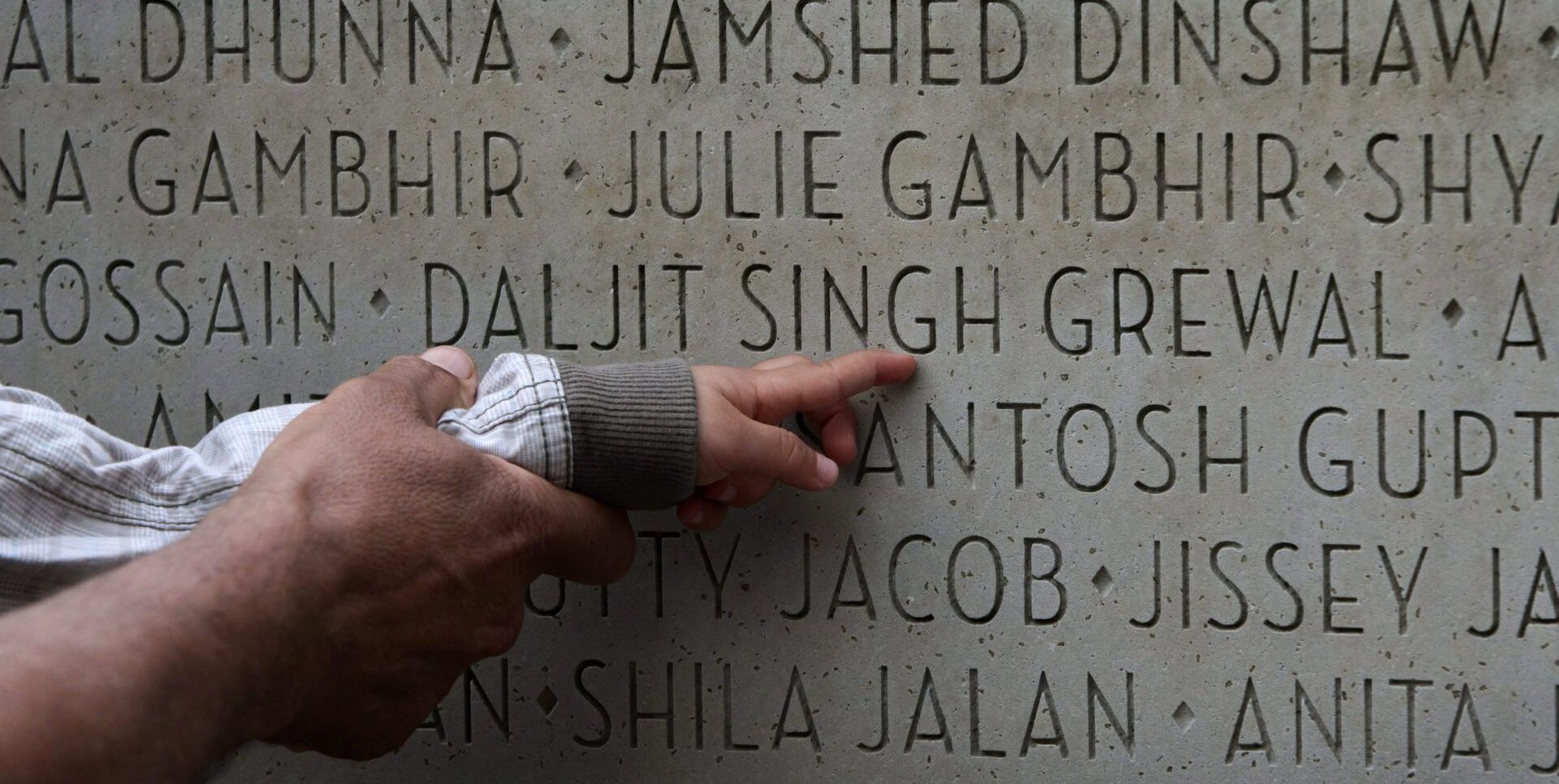
For the families of the 329 people killed aboard Air India Flight 182, the search for justice has effectively reached another dead end. Four decades after Canada’s deadliest terrorist attack, the RCMP says it has exhausted its current investigative avenues.
This is not an isolated development; rather, it is the latest manifestation of a longstanding pattern of institutional failure that continues to raise concerns about accountability, confidence in public institutions and the state’s responsibility toward victims’ families.
The bombing of Air India Flight 182 on June 23, 1985, en route from Toronto to New Delhi via Montreal, killed everyone on board. A criminal investigation, the longest and most expensive in Canadian history, resulted in the conviction of one person. British Columbia resident Inderjit Singh Reyat, now out on parole, was found responsible for making the bomb. Two other B.C. residents, Ripudaman Singh Malik and Ajaib Singh Bagri, were both found not guilty and acquitted.
The failure of the Canadian state and its agencies to hold those responsible for the deaths of its citizens and permanent residents has long haunted this so-called “Canadian tragedy,” undermining public trust and leaving families without a meaningful sense of justice.
The government and law enforcement agencies should take responsibility for their past failures, steadfastly work to bring perpetrators to justice and ensure that remembrance is linked to justice.
A Canadian tragedy
The consequences of this tragic event extend beyond the courtroom. Public mourning and remembrance of the bombing have also remained limited. Despite June 23 being a nationally recognized Day of Remembrance for Victims of Terrorism, a 2025 survey by the Angus Reid Institute found that approximately one in five (17 per cent) Canadians were able to identify the Air India bombing as Canada’s deadliest terror attack, while one-third (32 per cent) of the respondents had never heard of it.
For 41 years, the families of those who lost loved ones have repeatedly had to struggle for recognition, accountability and meaningful engagement from public institutions and their fellow Canadians. The Canadian government’s initial response framed the bombing as a foreign tragedy, despite the attack having been conceived and carried out in Canada.
By pushing the bombing to the margins of national consciousness, the state obscured the bombing’s significance as a Canadian tragedy and deepened the isolation of victims’ families from the wider community and their nation, at a time when they most needed solidarity and support.
There was no Canadian support available to families who rushed to Ireland upon receiving news of the bombing, hoping to find survivors or recover the bodies of loved ones. Twenty years later in 2005, then Canadian prime minister Paul Martin met with Air India victims’ families for the first time, and attended the annual memorial service in Ahakista, Ireland. A year later, the federal government established the Commission of Inquiry into the Investigation of the Bombing of Air India Flight 182, led by retired Supreme Court justice John Major.
In its 2010 final report, the commission concluded that a “cascading series of errors” had contributed to the failure of the RCMP and CSIS to prevent the bombing. It held the police and security agencies responsible for failing to meet their obligations to protect the public and prevent the tragedy. Within days of the submission of the report, then prime minister Stephen Harper issued an apology “for the institutional failings of 25 years ago and the treatment of the victims’ families thereafter.”
In every one of these instances, families had to fight for care, attention and accountability from the government and its agencies. Every step toward recognizing their loss, grief and demands for justice was hard-won through persistence and advocacy.
With the latest RCMP admission that the investigation has hit a dead end, families who have endured profound loss are now, once again, being asked to shoulder the burden of pursuing answers and accountability. They are being asked to identify leads, provide names and move the investigation forward.
And families are yet again urging the Canadian government to deliver on its promise of justice. Some have written letters to Prime Minister Mark Carney, to Minister of Public Safety Gary Anandasangaree and to their local public officials. The media is reporting that the families have requested an immediate meeting with Anandasangaree.
These requests and continued attempts to seek justice underscore the tragic paradox at the heart of the Air India story: despite the repeated institutional failures, many Air India Flight 182 families continue to engage with and appeal to the Canadian state and the institutions that have repeatedly failed them. Even after 41 years, they remain steadfast in their pursuit of answers, hoping that justice, however delayed, may yet be achieved.
The RCMP’s decision to suspend the active investigation threatens to erode that trust. While officials maintain that the case remains open, the admission that there are no active leads offers little reassurance that the search for truth is being pursued with urgency or resolve. For families who have endured years of unanswered questions, this development risks reinforcing the perception that their pursuit of justice remains acknowledged in principle but neglected in practice.
Delivering justice to families
It places on victims’ families the responsibility for pursuing the answers, accountability and justice they have sought for more than 40 years. It revives a troubling question that has lingered since the bombing: whether the state and its agencies possess the capacity – or indeed the political and institutional will – to deliver justice to victims’ families.
The question now is whether justice can still be achieved, and what forms that justice might possibly take. Justice is not solely measured by prosecutions; it is also reflected in a government’s willingness to listen, to acknowledge past failures, and to stand with victims’ families in their ongoing search for answers and accountability.
National mourning of Tehran crash is a sign Canada has matured
Beyond the question of criminal accountability, there remains a profound responsibility to ground all engagement with victims’ families in memory, justice and the duty to remember. Continued government inaction risks eroding public confidence in the state’s ability to fulfill this fundamental obligation to the families.
Public officials must listen more carefully and respond more meaningfully to the needs and concerns of those who continue to live with this tragic loss. One important form of memory justice would be to ensure that the lessons of this tragedy are incorporated into school curricula, educating Canadians and global audiences about the devastating impact of terrorism on families, communities and society.
Governments can also support memorialization efforts led by victims’ families, helping to preserve the memories of those who were lost. Public officials should attend annual memorial services, standing alongside families to honour the lives lost and those who continue to carry their loved ones’ legacies forward.
Memory justice requires more than remembrance; it requires sustained public commitment. By listening to families, supporting educational and commemorative initiatives and acknowledging past shortcomings, governments can affirm the nation’s collective responsibility to remember, to learn and to pursue justice in all its forms.
Justice should not depend on the perseverance of grieving families. Forty-one years after Canada’s deadliest terrorist attack, the burden of pursuing answers still rests too heavily on those who suffered the greatest loss. If public institutions are to retain public trust, they must demonstrate that accountability remains a responsibility of the state, not of the families left waiting for it.