(Version française disponible ici.)
When we think of the risks associated with an employee’s online presence, attention often focuses on the reputational risks for employers. Frequently overlooked is an equally important issue: the harassment of employees speaking on behalf of their organizations. This risk is both real and on the rise as online visibility becomes more expected of many professionals.
Across a growing number of industries, social media presence is encouraged, valued, and sometimes implicitly expected of employees. Increasingly, they are called upon to represent their organizations publicly through content creation, audience engagement, and the management of their digital image. For organizations, this visibility serves as a strategic tool for communication and brand differentiation.
Employees themselves become sources of visibility and credibility for their organizations. From a marketing perspective, they can be conceptualized as “human brands” whose value stems from their ability to foster trust, engagement and a sense of connection with their audiences.
In this context, digital presence is gradually becoming an extension of work itself. Yet it also exposes workers to personal risk, including harassment and online hate.
These psychological vulnerabilities remain insufficiently recognized within existing labour protection frameworks.
When visibility becomes a professional requirement
Despite the rapid transformation of work environments, occupational health and safety frameworks remain largely rooted in traditional physical workplace realities. Although psychosocial risks are increasingly acknowledged, those arising from digital interactions are still largely overlooked.
While marketing research has extensively documented the benefits of online visibility in terms of engagement, reputation, and value creation for organizations, less attention has been paid to the practical demands that such exposure places on professionals called on to assume a more visible role in public digital spaces.
In many sectors, professional visibility now involves a series of often invisible tasks: managing one’s personal reputation, producing content, engaging continuously with audiences, and constantly adapting to the expectations of digital communities. In practice, employees are expected to respond publicly to comments, create content, and maintain an active presence across digital platforms.
This evolution also brings new professional expectations. Increasingly, employee performance is assessed not only on their expertise but also on their ability to maintain a consistent and engaging public image. Recent research suggests that this constant exposure can generate significant emotional and identity-related tensions that remain largely unaddressed by conventional employee protection mechanisms.
The psychological cost of digital work
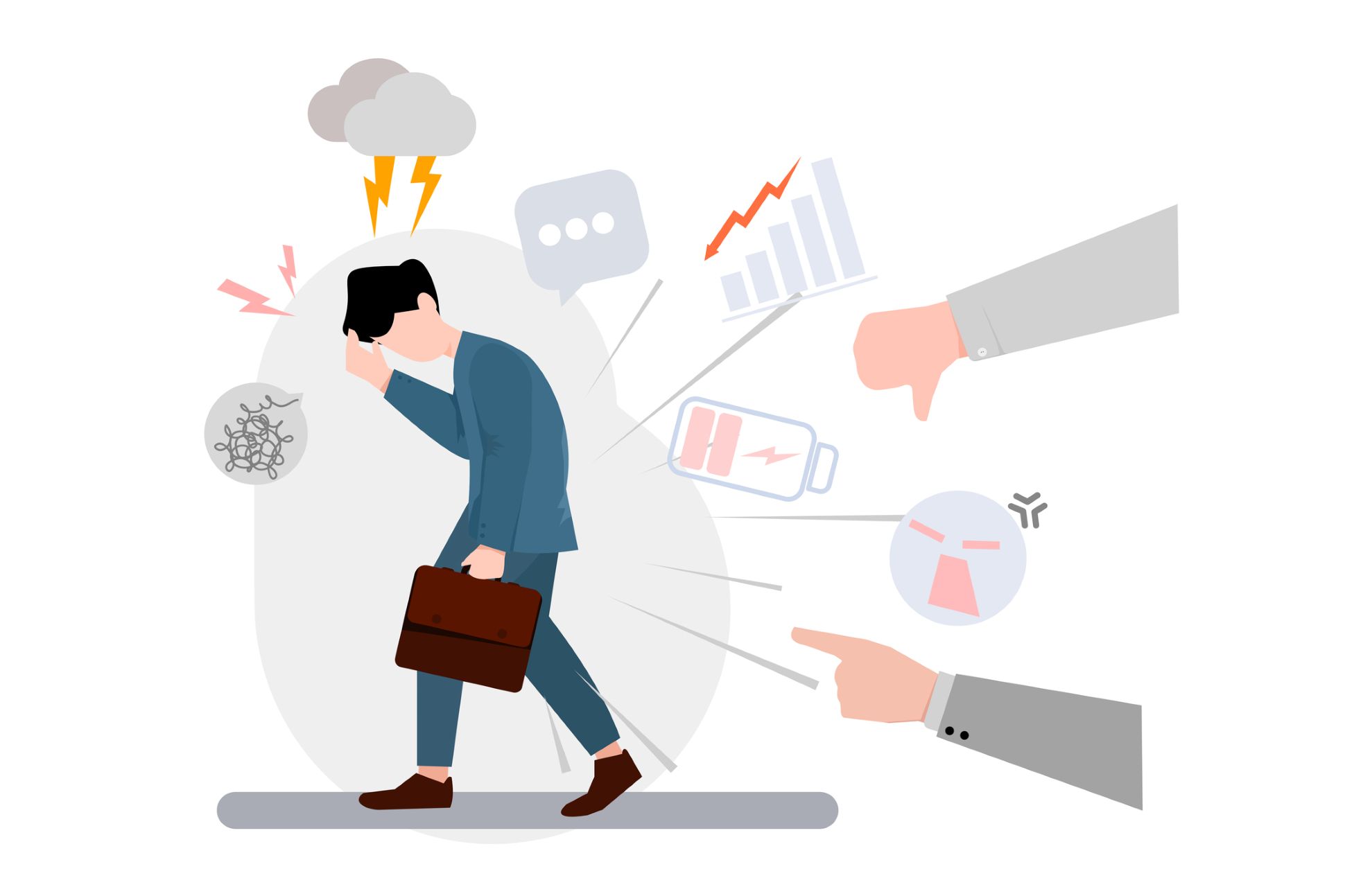
Recent studies also show that these emerging forms of work contribute to isolation, burnout, and increased professional pressures. They also leave workers more vulnerable to online harassment and abuse.
Research demonstrates that cyberbullying and digital aggression are linked to lasting threats to psychological wellbeing, including anxiety, emotional distress, and mental exhaustion.
In many professions, such abuse is still normalized as an unavoidable consequence of public visibility. Yet as digital interactions become an integral part of work itself, harmful experiences occurring in these spaces can no longer be viewed solely as isolated incidents. They are psychosocial risks inherent to the ongoing transformation of work.
Protections designed for another era
Traditional occupational health and safety frameworks were developed primarily to address conventional forms of workplace harassment and occupational hazards. As a result, they appear increasingly ill-suited to the realities of digital work and the psychological vulnerabilities it entails.
There is also considerable ambiguity regarding the division of responsibilities between employers, digital platforms, and public authorities. The governance of digital spaces continues to rely heavily on private moderation systems and platform-specific policies that are often inconsistent and opaque. In this context, online hate emerges as a growing occupational mental health issue that requires public policy action.
Rethinking the governance of digital work
A first step would be to recognize digital abuse more explicitly as a work-related hazard when it is linked to professional activities or visibility requirements associated with certain roles. Greater institutional recognition of this risk would facilitate its integration into workplace psychological health prevention strategies, as emphasized by the International Labour Organization
This shift also requires a more clearly defined allocation of responsibilities among relevant stakeholders. Organizations that actively encourage employees to maintain a public online presence may need to provide stronger safeguards, including support mechanisms and intervention protocols tailored to public digital environments.
Responsibility, however, cannot rest solely with employers. Digital platforms are now central to professional interactions, yet their moderation systems, reporting mechanisms, and user protection measures remain highly variable and often lacking in transparency.
As online visibility becomes an implicit component of many professions, governments will need to adapt occupational health and safety frameworks to better recognize the psychosocial risks associated with work in digital public spaces. Institutions must now confront the reality that the risks of digital exposure are not just reputational but matters of health and occupational safety for their employees.