(Version française disponible ici)
Justin Trudeau’s 2018 embrace of cannabis legalization, in addition to its political upside, was based on three policy premises: reducing crime, increasing tax revenue and protecting young people.
Today, cannabis-related arrests have fallen, the black market has shrunk and governments collect significant tax revenue from a regulated industry — but the idea that teens are better protected is up in smoke.
Eight years after legalization, it may be time for Ottawa to take stock of why the Trudeau government’s signature policy has failed to achieve one of its key targets.
Let’s look at what the data tells us.
Increased use
In a fully developed policy framework, some of the key metrics of success would be a reduction in the number of teens using cannabis or engaging in frequent and heavy usage, and a reduction in injury or harm related to cannabis. Yet what we see is quite the opposite.
Research done prior to legalization suggested that roughly 25 per cent of older teens used cannabis annually. Today, that figure is closer to 40 per cent.
One of the central arguments for legalization was that regulated retail would reduce access by youth under 19. Dispensaries check proof of age; illicit dealers do not. But that logic was based on an assumption that the illegal market would disappear. In reality, there are still people willing to supply teens with cannabis — now supplemented by a legal industry that is producing ever-stronger products.
Legalization did not just regulate cannabis, it transformed it.
Greater potency
For decades the potency of cannabis has been steadily increasing. Since legalization, and the commercial investment that followed, that trend has only accelerated. Today’s cannabis is far stronger than what previous generations encountered.
This is no accident, but rather the result of an incentivized marketplace — an “arms race” among producers competing for consumers through increasingly potent products. Levels of THC, the main psychoactive chemical in cannabis, jumped from about four per cent in the 1990s to 12 per cent in early 2010s. Since legalization, some high-potency cannabis products have THC levels of more than 30 per cent.
A still-hazy picture of cannabis after five years of legalization
What Quebec’s cannabis strategy shows
Cannabis is no ordinary consumer good. Its risk levels follow a dose-response curve: The higher the potency, the greater the risk.
And harm is not evenly distributed. Adolescence and young adulthood — the age range with the highest cannabis consumption — is also a critical period of brain development.
During these years, the brain is still refining the systems responsible for impulse control, emotional regulation and executive function. Introducing high-potency psychoactive substances into that process is not benign. It poses real threats to healthy development and, more broadly, to mental health.
Those risks are increasingly visible. From 2007 to 2020, cannabis-related emergency-room visits in Canada more than doubled among youth for conditions like cannabis-induced psychosis and cannabinoid hyperemesis syndrome.
These sharp increases can be attributed to changes in the potency of cannabis, consumption patterns — and how the product is being packaged.
Vapes and edibles
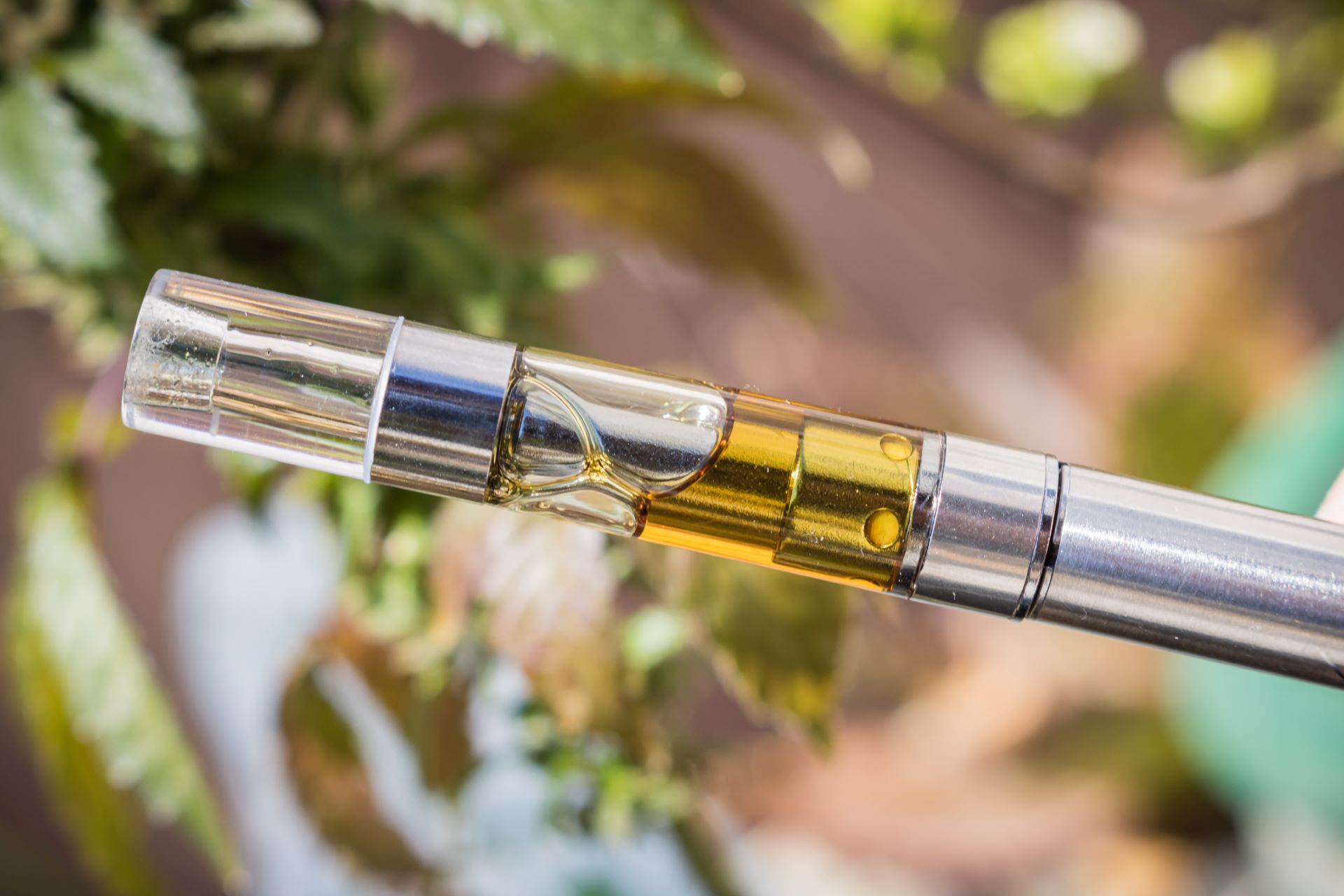
The soaring popularity of cannabis vaping cartridges — discreet, convenient and often highly concentrated — has changed the way many young people consume cannabis. These products can contain upwards of 90-per-cent THC.
At the same time, the era of legalization has seen a proliferation of edible products like gummies, chocolates and cannabis-infused beverages. These innovations may be driven by adult demand, but they are very appealing to youth.
Adding cannabis to candy or soda lowers the psychological barrier to entry, feeling less like a drug and more like a treat. Indeed, the edible products are often connected to cannabis-related hospitalizations, given the risk of over-consumption, delayed-effect onset and increased psychoactivity when THC is metabolized via the liver.
We have confronted problems like this before.
In 2010, Canada became the first country to ban flavoured cigarettes and cigarillos. Yet in the case of cannabis, we are allowing a parallel trend to flourish — legal products that blur the line between regulated intoxicants and candy.
This is an important consideration, because the earlier someone starts using cannabis, the greater their risk of psychological harm and dependency.
The popularization of cannabis as “treats” has also triggered a spike in hospitalizations involving young children who accidentally consume cannabis, thinking they are eating candy. One study recorded a nine-fold increase in such poisonings across Ontario since cannabis became a legal substance.
But, to be clear, even though Canada has been slow to confront the negative consequences of legalized cannabis, the answer is not a return to prohibition.
The harms of criminalization were real, and legalization has helped to address them. But policy success in one domain does not justify complacency in another. If legalization was meant to be a public-health reform, then youth health must be central to how we evaluate and refine it.
While only a handful of countries have legalized cannabis, there are nevertheless models that Canada can learn from.
Uruguay, for example, took an approach that prioritizes public health over commercialization. Instead of fostering a competitive consumer market, it implemented strict controls on product types, potency and distribution. One significant result: research suggests that cannabis use has remained stable among teens in the South American country.
If Canada is serious about learning from international experience and our own missteps, policymakers should act accordingly. That includes considering a higher legal age for high-potency products, establishing evidence-based THC ceilings across all product categories — not just edibles — and treating high-potency products as an aggravating factor in cases involving the supply of cannabis to minors.
It also means putting youth health at the forefront when reviewing all existing and future policies.
Legalization was never meant to be the final word on cannabis policy; it was a starting point. Canada got many things right, but when it comes to protecting young people from the dangers of high-potency cannabis, Parliament, the federal government and provincial counterparts have more work to do.