Policing in Canada is facing a crisis of confidence, with one-third of Canadians mistrusting police and demands for meaningful oversight mounting. Canadians subjected to municipal, provincial and federal policing deserve transparency and genuine accountability. What they’re getting are attempts to whitewash and cover up misconduct.
Policing is struggling to keep pace with the demands of an increasingly complex society. Policing will never be perfect – mistakes and malfeasance can happen. Independent oversight to monitor and investigate adverse outcomes or allegations of wrongdoing is an integral part of the effective functioning of a trustworthy and confident police force. Such a mechanism will not only provide oversight within the forces but reassure the public whom they serve that the police are accountable and reliable.
Police cannot police other police. At least three recent cases in Ontario are proving this point by highlighting why independent oversight of the police is urgently necessary.
Why this matters more to us
For us, the authors of this commentary, the importance of independent police oversight is personal. Yusuf Faqiri’s brother Soleiman died at the hands of correctional officers while in a mental health crisis. Anita Szigeti’s family lost a close friend in Constable Jeffrey Northrup when he died in an accident that led to a criminal trial that ended with Umar Zameer’s acquittal and serious doubts about police conduct.
Various police services conducted investigations into these high-profile deaths and the fallout which raised more questions than they answered. They eroded public confidence in policing rather than improving it.
Repeated investigations with little transparency
Soleiman Faqiri died in December 2016 after a violent intervention by provincial correctional officers at the Central East Correctional Centre in Lindsay, Ontario. The Kawartha Lakes Police Service (KLPS) opened a criminal investigation but shared almost no information with the Faqiri family or their lawyers over 11 months, and met with them only once.
The investigation relied on a pathology report that listed the cause of death as “unascertained,” despite documenting more than 50 blunt-force injuries inflicted by the guards. It was closed just days before a key eyewitness, John Thibeault – who said he witnessed the incident from a nearby cell – was released from custody and able to give evidence.
A second investigation by the Ontario Provincial Police (OPP), prompted by that testimony, took 20 months and ended without charges. The OPP also declined to examine the conduct of the initial police investigation and did not disclose its findings to the family.
A coroner’s inquest later provided a few answers. The police investigations were more baffling than enlightening.
A question of credibility
The aftermath of Toronto Police Constable Jeffrey Northrup’s tragic death also involved the OPP and followed a similar pattern.
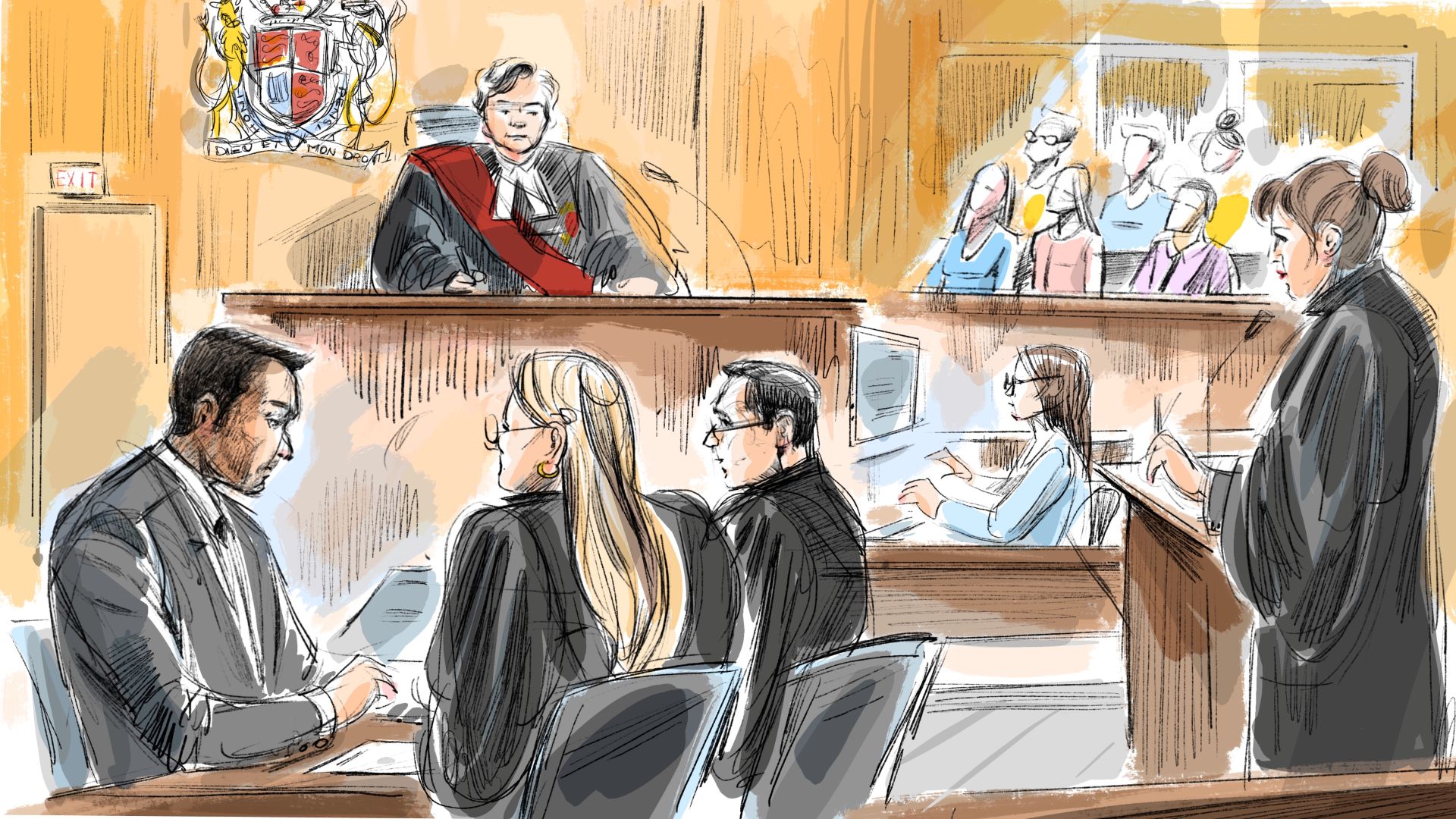
Umar Zameer was accused of murder for driving over the plainclothes police officer in a moment of fear and was prosecuted in a case that ultimately collapsed. During Zameer’s acquittal, the trial judge raised serious concerns about police credibility. Prosecutors later described key police testimony as “deliberately untruthful.”
The OPP later reviewed the conduct of three officers involved in the case and cleared them of wrongdoing. But the process was opaque: neither Zameer nor his legal team was consulted, and the findings were not meaningfully disclosed.
Zameer’s lawyer, Nader Hasan, identified several concerns about the transparency of the OPP’s report, including the failure of investigators to disclose details behind their findings. As in the Faqiri case, the result was not clarity or accountability, but more unanswered questions.
Is anybody ready to act on policing problems in Canada?
To this day, the Faqiri family does not know what the Kawartha Lakes Police Service found in their investigation. They also do not know the findings of two other OPP Investigations. Nine years later, there has been no criminal accountability.
Ontarians deserve an open public inquiry into the conduct of the police officers in the Zameer trial. Secretive and opaque police reports only serve to fuel further speculation about whitewashing and cover-up.
Will the next case bring more transparency?
The recent bombshell allegations against Ontario police and corrections officers in the Project South case underlines the urgency of creating truly independent oversight to deter illegal, corrupt and unethical police activity. Trust will not be restored by secretive investigations and summaries containing scant details.
Accountability and transparency must be consistent features of policing to ensure that Canadians can trust our law enforcement and judicial institutions. The public has a right to know what accountability mechanisms are in place when things go wrong. Where there are none, measures must be put into place quickly and effectively.
Stop trying to create the illusion of transparency through opaque investigations conducted behind closed doors. Ontario would do well to remember the age-old adage: Sunlight is the best disinfectant.