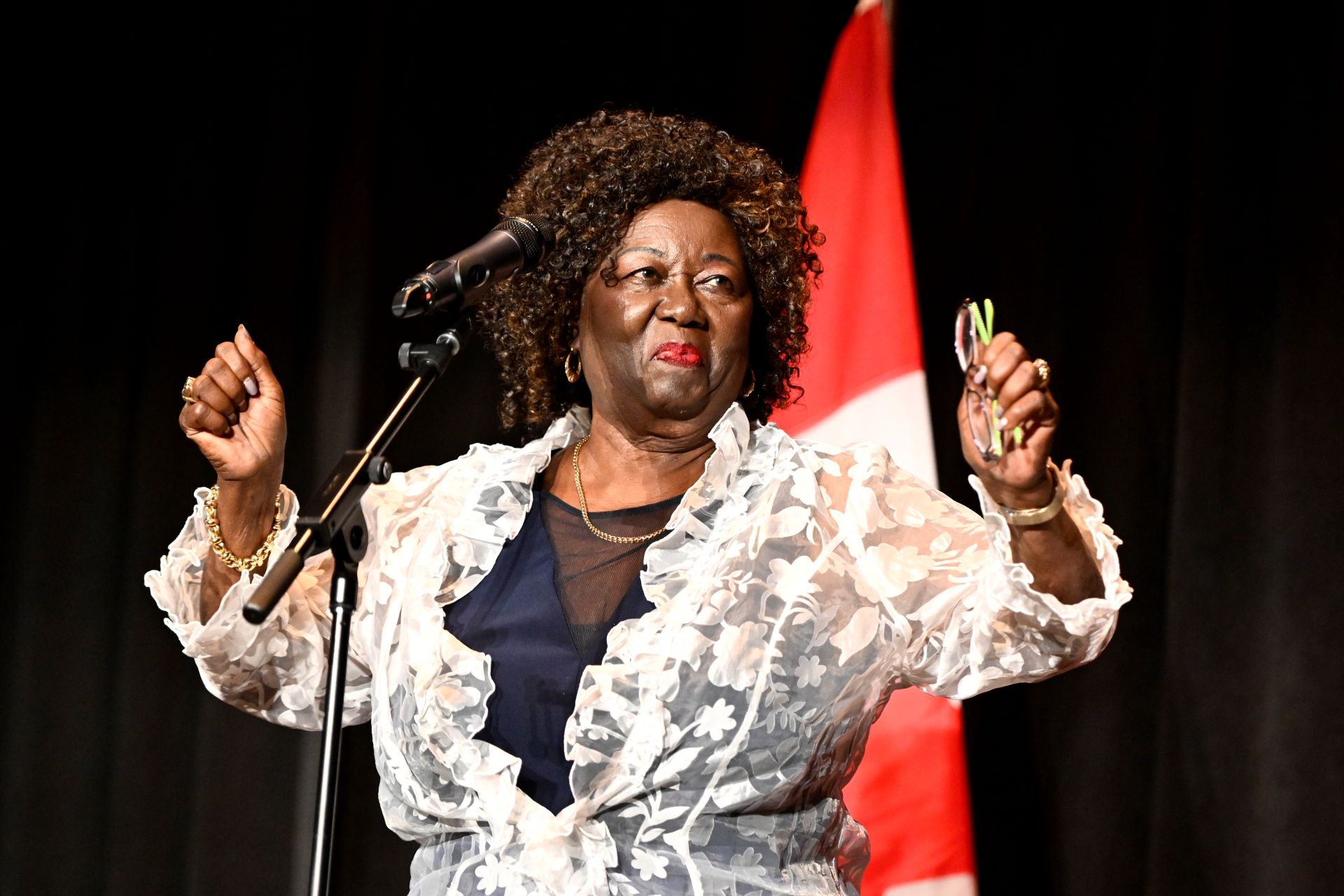
This year, Canada marks 30 years of officially celebrating Black History Month each February. While Black communities have been part of this country’s story for more than 400 years, national recognition began in 1996 – not as a symbolic gesture, but through the leadership of Jean Augustine, the first Black Canadian woman elected to Parliament, the Ontario Black History Society’s grassroots work and sustained advocacy by Black communities across the country.
The intent was clear: to ensure Black history is recognized as part of Canada’s broader historical narrative and to confront persistent inequities.
The significance of this cannot be overstated. Black History Month at 30 offers an opportunity not only to celebrate, but also to reflect and ask critical questions. What has Black History Month delivered? What must the next 30 years achieve?
Thirty years of progress
There is much to acknowledge. Black History Month has elevated the leadership, resilience and accomplishments of Black Canadians across generations. It has brought once-overlooked histories into classrooms and public institutions, strengthened public understanding and created space for education, storytelling and pride.
From Augustine’s groundbreaking motion in the House of Commons that led to national recognition of February as Black History Month, to contemporary leaders advancing equity in politics, law, education and social services, the impact of Black Canadians is undeniable. More importantly, Black History Month has helped advance conversations that extend beyond February into the policies, institutions and systems that shape daily life.
Over three decades, several policy initiatives have signaled meaningful progress.
Federal programs, such as the Supporting Black Canadian Communities Initiative, have assisted more than 2,300 community-led projects in capacity building, knowledge sharing and locally driven solutions.
Canada’s commitment under the United Nations International Decade for People of African Descent has further driven investments in economic inclusion, community leadership and mental health. Recent federal funding of more than $280,000 for nine Black History Month 2026 projects in the Atlantic region highlights continued support for community-led work.
At the provincial level, Ontario’s anti-Black racism strategy and Black youth action plan have directed resources toward reducing disparities for children, youth and families through culturally relevant programming. Municipal efforts, including the Toronto action plan to confront anti-Black racism, reflect local commitments to addressing systemic inequities across public services.
In the private sector, the BlackNorth Initiative has mobilized more than 500 organizations to take measurable action against systemic anti-Black racism, including increasing leadership representation and expanding support for Black homeownership and scholarships.
More work to be done
These efforts demonstrate that progress is achievable when policy, community action and institutional accountability are effectively coordinated. Yet gaps remain. Black Canadians continue to face disproportionate barriers in employment, health care, child welfare, housing and access to opportunity. The challenge is no longer awareness, but followthrough.
Inconsistent data collection on racialized outcomes limits our ability to measure impact and adjust course, while many initiatives lack the sustained resources, co-ordination and evaluation needed to achieve lasting results. Equity cannot be seasonal. It must be embedded year-round in how policies are designed, implemented and assessed through evidence-based decision-making.
Delivering through public policy
The question now is not whether recognition matters. It does. The real question is what recognition must produce.
“This anniversary is not only about celebrating the brilliance and resilience of Black communities; it’s an opportunity to set clear expectations for progress and define what the next phase of equity and inclusion must deliver, particularly from a public policy standpoint,” says Eunice K. Yeboah, executive director of the Canadian Black Policy Network (CBPN). “Recognition is meaningful when it is matched with equitable policy decision-making and measures that expand opportunity.”
The history of colonialism and slavery still impacts Black people in Canada
Is addressing anti-Black racism in Canada still a policy priority?
The importance of governance and systems-level thinking cannot be overlooked. Derek Lett, chair of the CBPN board of directors, says the future of Black History Month “must be shaped by intentional policy design, community-informed solutions, and collaboration across governments and sectors. With the tools and expertise available, the next chapter should be defined by sustained action and accountable leadership.”
Thirty years of Black History Month is both a milestone and a mirror highlighting how far Canada has come and pointing to the opportunities that lie ahead. The work now is to strengthen policy commitments, bolster locally informed approaches and measure progress with transparency.
From recognition to action
The next phase of Black History Month must move beyond recognition to deliberate action. This means embedding measurable equity goals into policies, directing resources to initiatives informed by community experience and ensuring institutions are held accountable for results.
By turning awareness into concrete programs and systemic change, Black History Month can guide Canada toward outcomes that make a real difference in the daily lives of Black Canadians.
When Black History Month inspires equitable action and collaborative leadership, it becomes more than a moment of reflection. It provides a clear path for progress and ensures that the next 30 years strengthen opportunities and outcomes for Black communities across Canada.