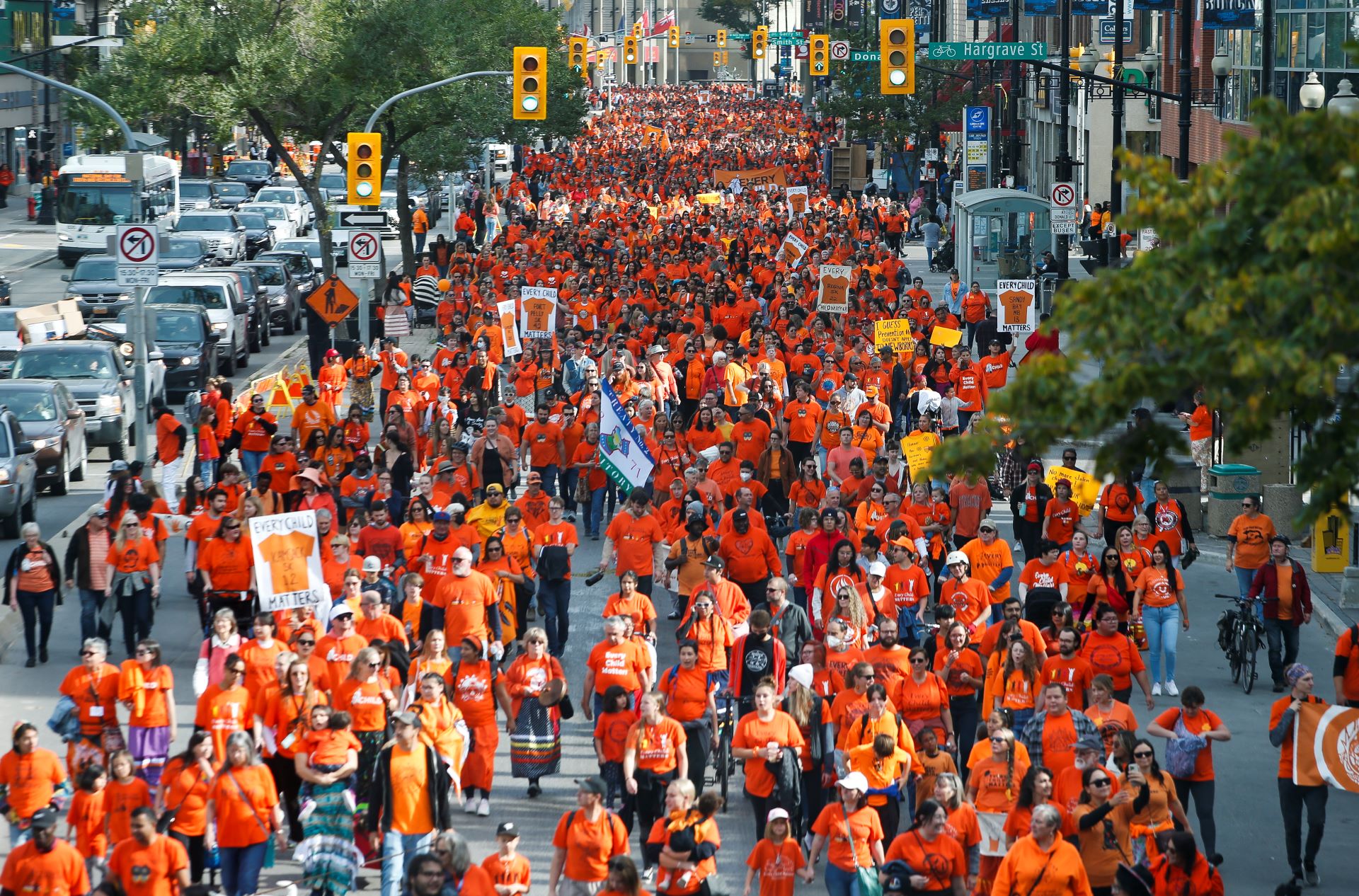
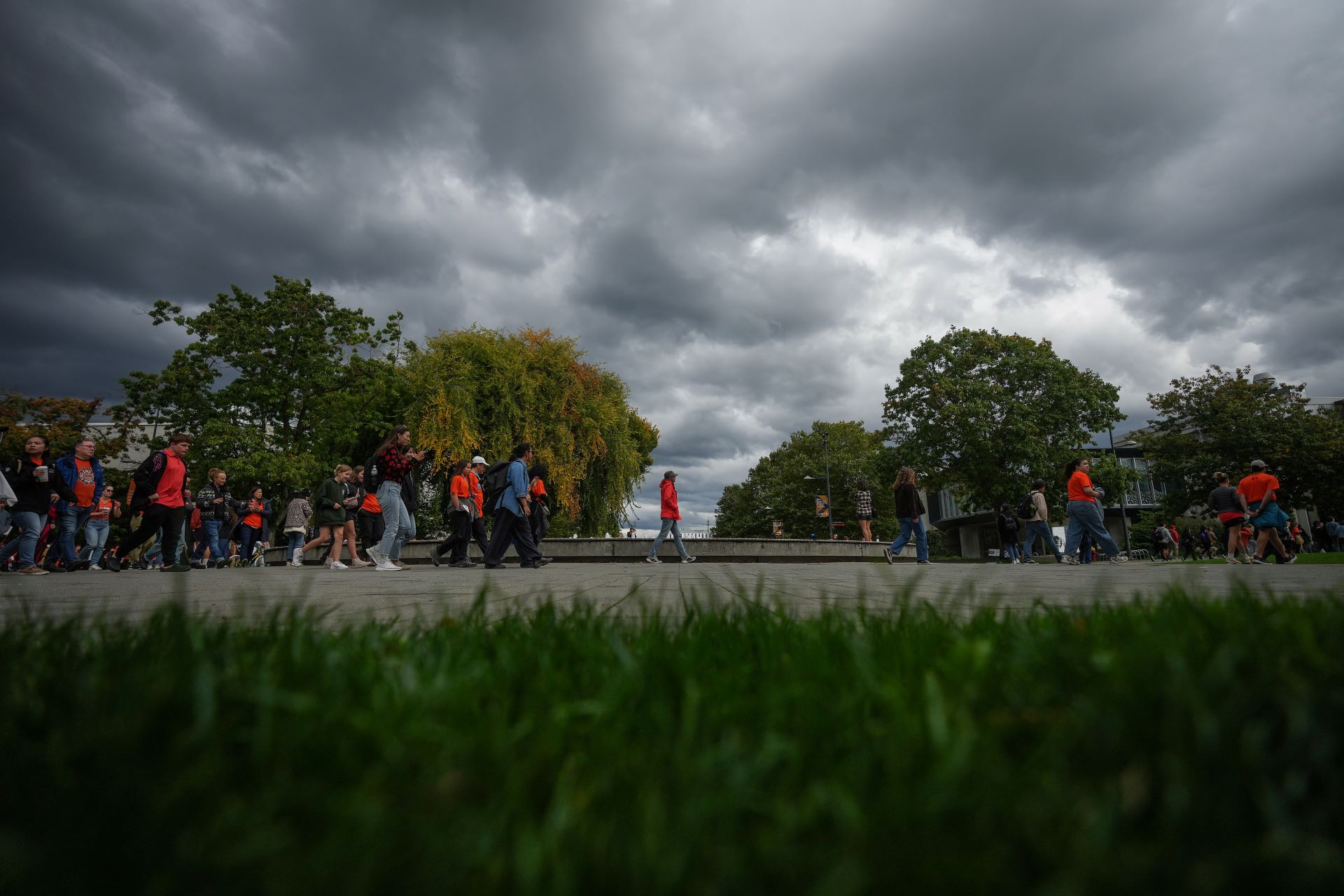
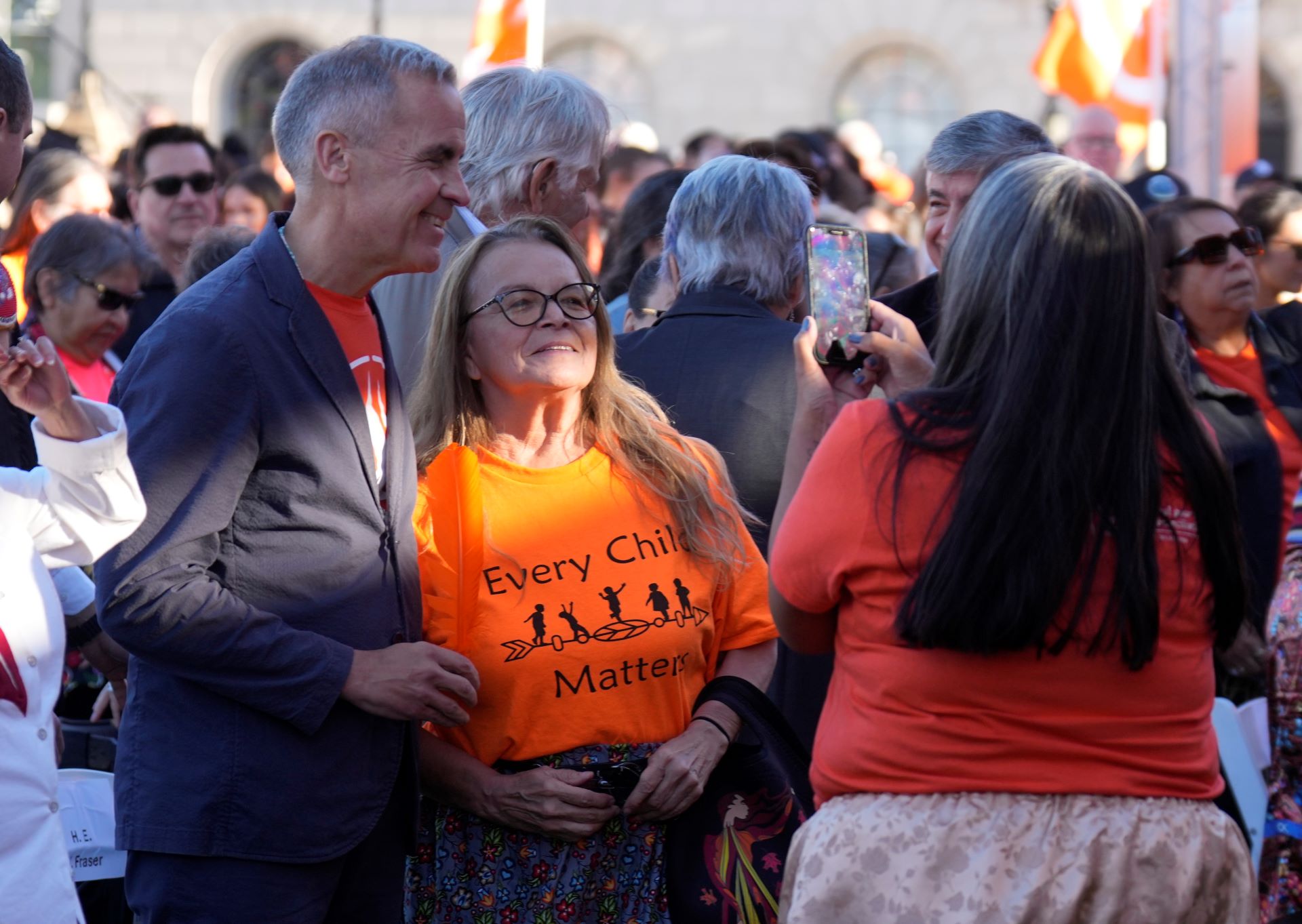
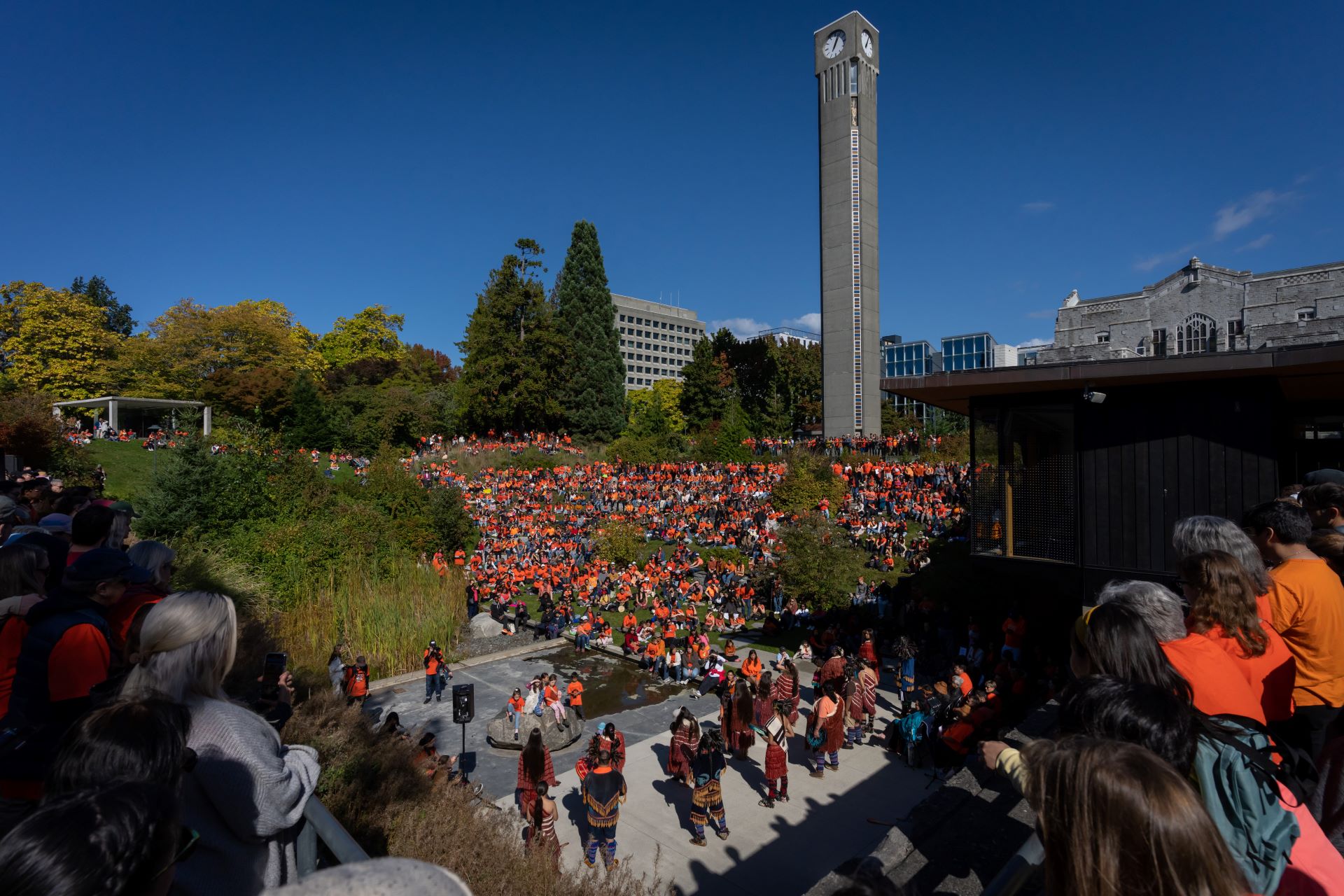
Each year on Sept. 30, we see a flood of orange shirts in schools, at our places of work and the streets to mark Orange Shirt Day, which is also the National Day for Truth and Reconciliation. Symbols can be powerful. Land acknowledgments at NHL games, renaming universities and those waves of orange T-shirts can reach thousands, if not millions, of people.
These symbols can make us think and feel proud, even righteous. Symbolic reconciliation is helping. But it cannot change the systemic inequalities that still disadvantage Indigenous people in Canada which are getting worse, not better.
The Canadian Reconciliation Barometer has documented a backslide in systemic equality in the large annual surveys it started in 2021. If governments don’t start overhauling these problematic systems soon, the symbolic stuff will soon lose its power for good. It could even start to harm reconciliation efforts.
A mismatch in perceptions
The reconciliation barometer is a rigorous measure of perceptions of reconciliation’s progress in Canada, using a nationally representative survey.
Since 2021, there has been a drop in the proportion of Indigenous respondents who agree that First Nations, Métis and Inuit people are treated fairly in the education, justice and health-care systems.
In 2023, for example, only 21 per cent of Indigenous respondents agreed that Indigenous people are treated fairly in systems. That is down from 33 per cent in 2021. Non-Indigenous respondents, conversely, see no change in systemic equality across time. From 2021 to 2023, about one-third of them agreed that Indigenous people are treated fairly in systems.
This mismatch in perceptions is critical. Indigenous communities are calling for urgent action, yet non-Indigenous respondents do not appear to see the backslide in systemic equality.
A citizen’s guide to reconciliation
The systemic inequalities that Indigenous people experience are manifold. Two examples are pertinent and also apparent in our national surveys: child welfare and criminal justice.
The 2021 census shows no improvements in child welfare outcomes for Indigenous people relative to 2016. More recent reports in Manitoba – home to most of the barometer team – are even more alarming.
The overall number of kids in care rose last year by three per cent – the province’s first increase since 2016. Indigenous children remain colossally over-represented, making up 91 per cent of all children in care in Manitoba. This is not a reflection of family failure. It’s a system that continues to fail Indigenous families.
The story is similar within the criminal justice system.
Indigenous people are dramatically over-represented as victims, defendants and incarcerated people. In 2021, Indigenous adults made up five per cent of Canada’s adult population, according to the census. But they made up 31.2 per cent of provincial custody admissions. Further, between 2016 and the 2021 census, the number of Indigenous people remanded or sentenced (to incarceration or community sentences) increased.
These numbers are the predictable outcome of colonial structures that persist through policy and practice.
Getting to the difficult work
The Canadian Reconciliation Barometer shows that both Indigenous and non-Indigenous respondents believe the criminal justice and child welfare systems are the most problematic in terms of fairness for Indigenous people. The difference is one of magnitude: Non-Indigenous respondents slightly disagreed that Indigenous people are treated fairly in these two systems, while Indigenous people moderately disagreed that Indigenous people are treated fairly in these systems.
Systemic change was promised as part of reconciliation. The Truth and Reconciliation Commission’s 94 calls to action included both symbolic and structural reforms. Ten years later, however, we’ve made a lot of progress on the symbolic calls, but much less on the systemic ones.
Of the 15 calls to action completed, very few tackle systemic inequities.
Reconciliation requires structural change every day of the year. If we invest too much time and energy in symbolic reconciliation, we risk neglecting the difficult work of transforming the systems that continue to harm Indigenous people.
Symbolic reconciliation can even become performative, allowing institutions to appear progressive and allowing people to feel good about their progress without addressing the underlying systems that cause harm.
A focus on systems, rather than symbols, is more urgent than ever. The recent passage of Bill C-5, the One Canadian Economy Act, for example, is seen by some as a betrayal of reconciliation. The legislation was fast-tracked without Indigenous consultation – precisely the kind of move that furthers systemic inequality.
The power of individuals
Individuals can impact systems in a variety of ways. It is people who create systems, after all. We can all vote for representatives who envision practical ways to make systemic changes. Once in power, we can hold them accountable for their promises and actions, or lack thereof.
On a smaller scale, we may have a more direct influence on the systems in which many of us operate every day: workplaces, churches, volunteer groups, the schools our children attend. In these settings, influence can take many forms: advocating for inclusive policies, challenging harmful practices, supporting equity-focused initiatives, or using our roles to amplify marginalized voices.
Symbols can be powerful. They can forge a sense of solidarity, belonging and value. But symbols alone will not heal communities or dismantle inequalities. Wearing your orange shirt can signal your support for reconciliation. But Canadians need to do more than that to help make meaningful systemic change.