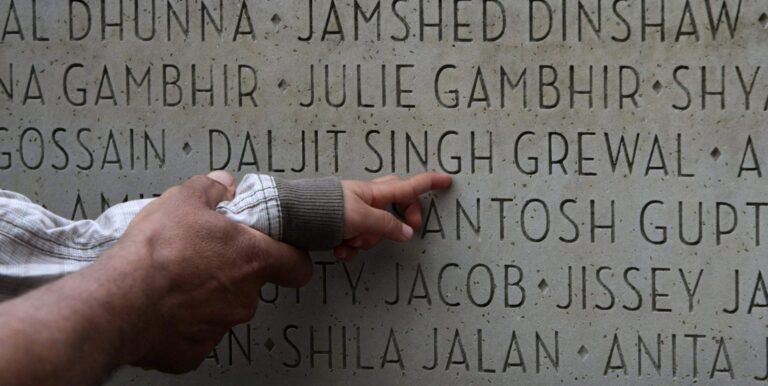
Last month, Canadians marked the ninth anniversary of the Quebec City mosque massacre, in which six men were murdered and many more injured by a white nationalist gunman. Why? Because they were Muslim.
In June, it will be five years since another white supremacist drove his car into five members of the Afzal family while they were out for a walk in London, Ont., killing four and seriously injuring one. They, too, were attacked because they were Muslim.
These are not isolated incidents. A November 2023 Senate of Canada report stated that between 2016 and 2021, Canada led G7 countries in killings motivated by Islamophobia. Yet there remains a persistent refusal to reckon with this reality – a denial that everyday violence against Muslims is anything other than an anomaly in a country that prides itself on its ideal of multiculturalism. Sociologist Jasmine Zine has named it “a national amnesia.”
The Carney government’s recent decision to close the Office of the Special Representative on Combating Islamophobia is an extension of this collective amnesia, a signal that Canada still lacks the desire to have an honest conversation about the reality Muslims in Canada face.
Hate crimes against Muslims continue
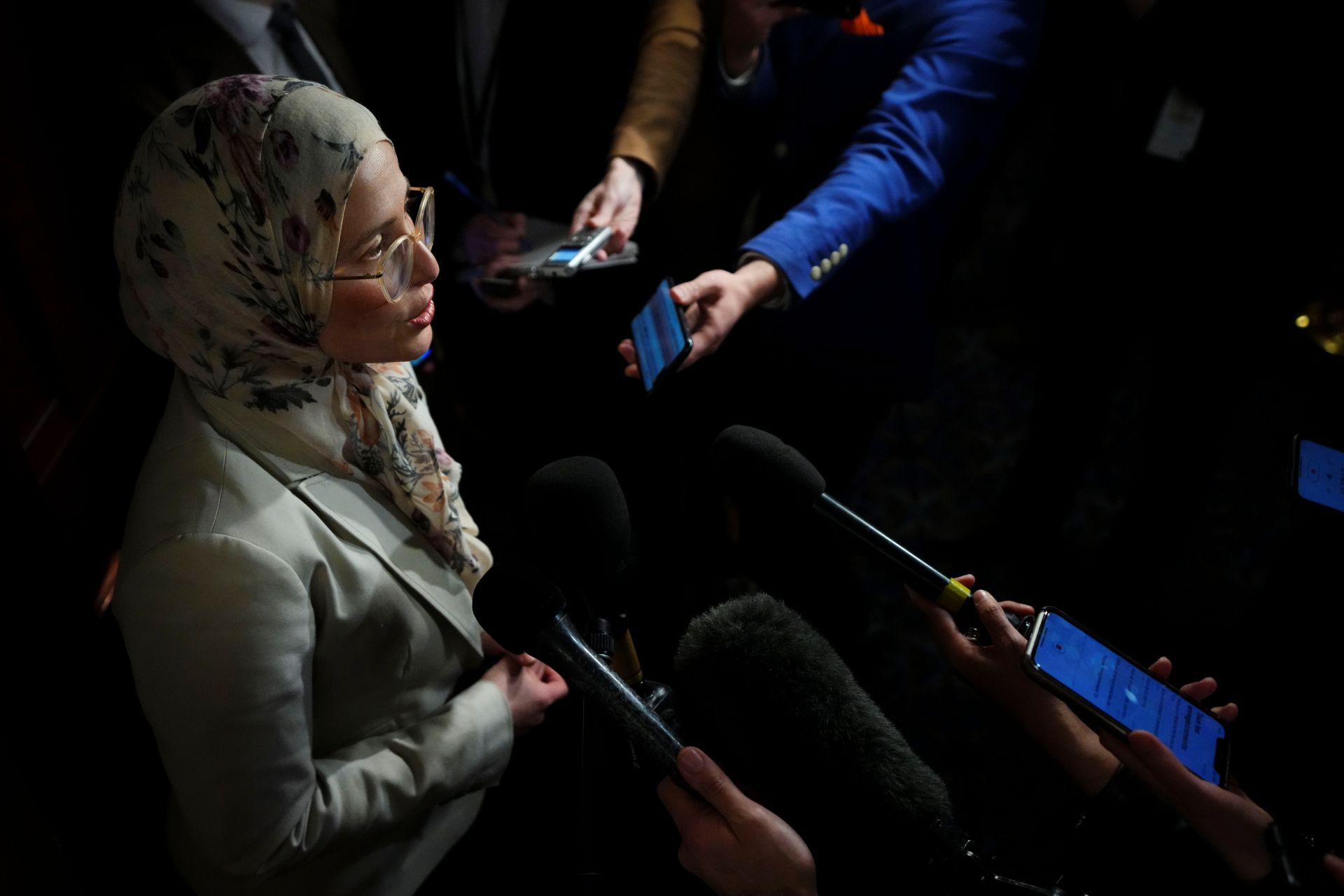
It was the London attack that prompted a national summit on Islamophobia in 2021, and, ultimately, the creation of the special representative’s office in 2023. Yet just days after this year’s National Day of Remembrance of the Quebec City Mosque Attack and Action Against Islamophobia, Prime Minister Mark Carney shuttered that office without warning or public consultation, eviscerating the groundbreaking and critical work of the special representative, Amira Elghawaby.
Eliminating Elghawaby’s office and position without notice or community input, without measuring the impact of and the increased need for its vital work, reinforces the dangerous narrative that hate crimes against Muslims in Canada are anomalies that require no cohesive national strategy. But the violence is not anomalous – it is ongoing.
Just two weeks ago, Durham police allegedly assaulted a Muslim lawyer in an Oshawa courthouse, slamming her head into a desk and ripping off her hijab. Last October, a 54-year-old Muslim employee at a hotel in Markham, Ont., was brutally beaten in what the National Council of Canadian Muslims has described as one of the worst Islamophobia-motivated assaults they have recorded. The victim suffered severe injuries, including a scarred face and shattered teeth, requiring surgery. Last March, a woman studying quietly in an Ajax library had an unknown liquid poured on her hijab as an attacker attempted to set her on fire.
These are not isolated incidents; they are part of a pattern of bodily violence against Muslims that continues day after day across this country. These expressions of individual violence are accompanied by the systemic targeting of Muslims by Canada’s national security regime, which has constructed them into threats.
Office broke important new ground
Elghawaby’s appointment as special representative was crucial in both reflecting the richness of Muslim life in Canada and creating a record that documents the extent to which Muslims face Islamophobia in this country. As her office’s 2024-2025 annual report made clear, the depth of what she accomplished in such a brief time is nothing short of remarkable.
Most notably, in March 2025, Elghawaby’s office produced the first guide of its kind by any Western government on understanding and addressing Islamophobia. It is an evidence-based resource for policymakers, educators and law enforcement that acknowledges both systemic discrimination and its deadly manifestations. The guide outlines how Islamophobia operates at the system-level (laws and policies that have an anti-Muslim orientation), community-level (the proliferation of hate groups and organized resistance to Muslims’ ways of life) and individual level (interpersonal acts of harassment, abuse, discrimination and violence).
In addition, Elghawaby’s office raised awareness about intersectional challenges of Islamophobia, supported research on economic barriers facing Muslims, advised government agencies on Islamophobia while developing anti-Islamophobia trainings and celebrated Muslim life in Canada. Through the Department of Canadian Heritage, her office facilitated support for our own research project on media coverage of hate crimes against Muslims.
Without the kind of actionable data and insights that the Office of the Special Representative produced, we will have no way of tracking the impact of Islamophobia on everyday Muslim life, nor can we mobilize policy changes and resources. This is precisely the kind of structural accountability problem that this dedicated office was designed to address.
New body dilutes essential Muslim focus
Yet, issues of discrimination and violence against Muslims, who make up almost five per cent of Canada’s population, are now being folded into the prime minister’s Advisory Council on Rights, Equality and Inclusion, an outdated, diffuse model that ensures the focus shifts away from the specific challenges Muslims face.
The experience with the Cross-Cultural Roundtable on Security, established ostensibly to foster dialogue between communities and the government on matters of national security, should have taught us that advisory councils have limited means to ensure accountability and affect policy change. It was not until the government established and resourced the National Security Intelligence and Review Agency in 2019 that Canadians finally began to see meaningful reports on the shortcomings in national security agencies.
Tackling Islamophobia begins by rebuilding trust with the Muslim community
This dilution of focus with the Carney government’s establishment of the Advisory Council on Rights, Equality and Inclusion guarantees that Muslims will not get the targeted attention needed to overcome systemic discrimination. Without dedicated data collection and advocacy, structural issues such as Quebec’s Bill 21 – which has nearly three quarters of surveyed Muslim women considering leaving the province due to discrimination and harassment – will continue unchallenged.
As long as political leaders like Quebec Premier François Legault can claim his province is “not Islamophobic” while at the same time defending discriminatory legislation, Canada’s national amnesia will continue, and the work of documenting and confronting anti-Muslim violence will remain invisible.
It is precisely this work of making visible what others deny that may explain the hostility Elghawaby has faced. The very nature of her position, as the government’s voice on Islamophobia, set her up as a lone target for gaslighting politicians and right-wing media, demonstrating the government’s lack of understanding of how racialized and marginalized people are positioned in Canadian politics. Since October 7, 2023, Elghawaby has faced accusations from right-wing voices and media of being “divisive or advocating extremism” for highlighting the rights of Palestinians.
More resources and bold actions required
In 2024, Conservative Leader Pierre Poilievre called the Islamophobia and antisemitism envoy positions “useless.” To see Carney, who promised during the Liberal leadership race to preserve both roles, now fulfill Poilievre’s threat to shut them down is distressing. This is a moment that demands more resources and a renewed commitment to combating Islamophobia, not less.
As recommended in the groundbreaking guide produced by Elghawaby’s office, this is the time for bold individual and organizational actions in solidarity with Muslim communities. We owe it to the victims of Quebec City and London, and to every Muslim Canadian who fears that simply existing while visibly Muslim could cost them their lives.