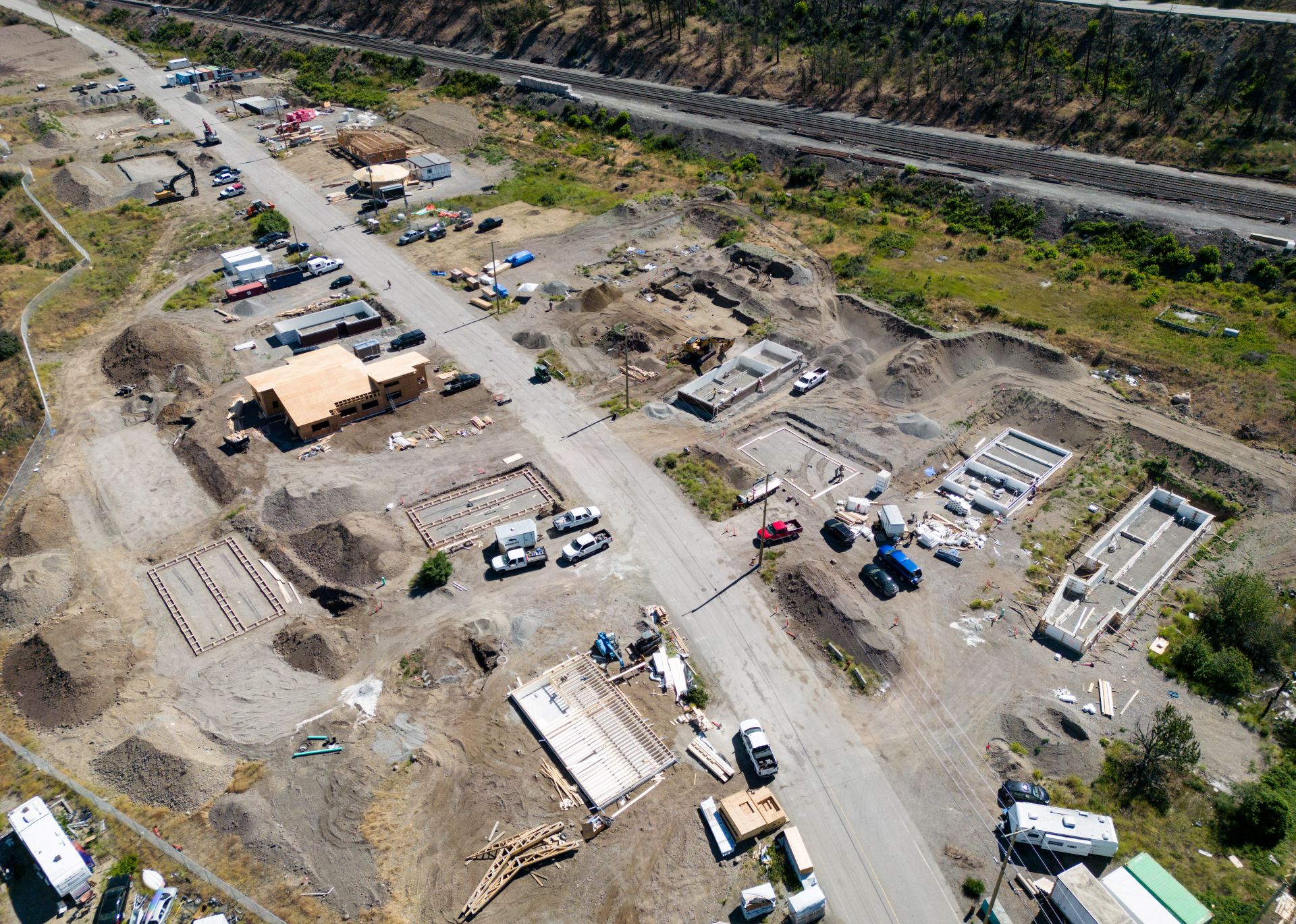
Canada does not have wicked policy problems. It has deadly problems that have been documented again and again: Indigenous communities in states of emergency, children in crisis, epidemics of violence and addiction, and families without access to clean drinking water.
More than 50 per cent of children in foster care are Indigenous. Thirty-six First Nation communities still have long-term boil-water advisories. This summer, more than 70 First Nations communities were evacuated due to wildfires, displacing 45,000 people.
These are not isolated failures. They are symptoms of a system working exactly as designed. Dysfunction breeds deadliness. The outcomes facing Indigenous communities stem from a system crafted over two centuries to maintain a state of permanent crisis.
These issues are complex and daunting. The hurdles are huge: Too-forceful advocacy can trigger a backlash against Indigenous leaders. Government bureaucracy can easily deplete the resources needed to push for change. Long-term thinking is not rewarded by the four-year election cycles. There’s also the fear of making a wrong decision. The legacy of mistrust.
But when Indigenous leaders point fingers at government and government shouts back about funding constraints, they all miss the full picture. By focusing on deadly problems in isolation, they miss seeing how deeply interconnected everything is.
To remake the system, it will take systems thinking, with Indigenous voices leading the design of solutions.
Many reports, all with the same conclusion
A quick recap of the many reports documenting the many crises:
The 1960s-era Hawthorn report (formerly known as A Survey of the Contemporary Indians in Canada) identified First Nations as Canada’s most disadvantaged and marginalized group, calling for recognition of their rights as “citizens plus.”
The MacEwan Committee of the 1990s (formerly known as the Métis-Government Committee) investigated living conditions in eight Métis settlements in northern Alberta. It acknowledged that their rights to self-determination were not being recognized and called on the provincial government for reform.
Also in the 1990s, the Royal Commission on Aboriginal Peoples warned that Indigenous languages, cultures and ways of life were under threat and demanded structural changes.
Each report recognized the complex challenges Indigenous communities face and urgently called for the same things: system reforms, recognition of Indigenous rights and a fundamentally different approach.
The Truth and Reconciliation Commission seemed to signal a new era.
In 2015, its final report exposed the residential school system that wreaked havoc within Indigenous communities. It produced 94 calls to action. The commission was mandated by the 2006 Indian Residential Schools Settlement Agreement, which came from Canada’s largest-class action case, brought by residential school survivors against the federal government and churches.
The three TRC commissioners – the late Honourable Murray Sinclair, chief Wilton Littlechild and Marie Wilson – spent several years travelling across the country speaking to survivors and their families, documenting their testimonies.
Yet another reprimand
Progress on the calls to action, however, has turned out to be glacial. In 2019, the Yellowhead Institute started tracking implementation of the calls but paused its annual accountability reports in September 2024 after noting that zero calls were completed in 2023. In a full decade, 15 calls have been completed, the CBC’s Beyond 94 site shows.
Yellowhead has a toolkit that breaks down reconciliation efforts into four overlapping themes: symbolic, easy, impactful and transformative. The adoption of easy and symbolic changes, colloquially referred to as checkbox reconciliation activities, is widespread.
Land acknowledgments before meetings, Indigenous awareness training in the workplace, and orange flags lowered on Sept. 30 every year. These actions are important and visibly highlight a move toward reconciliation, but progress on more substantial recommendations, such as improving child welfare and closing funding gaps, remains slow.
In October, the federal auditor general once again reprimanded Indigenous Services Canada (ISC) for failing to address critical issues such as improving emergency services, resolving long-term drinking water advisories and increasing health services in communities.
Orange shirts aren’t enough when systemic equality is backsliding
The problems persist even though ISC expenditures rose to almost $24 billion in 2023-24 from $13 billion in 2019-20. This is because throwing money at isolated issues is not the solution.
Everything is connected.
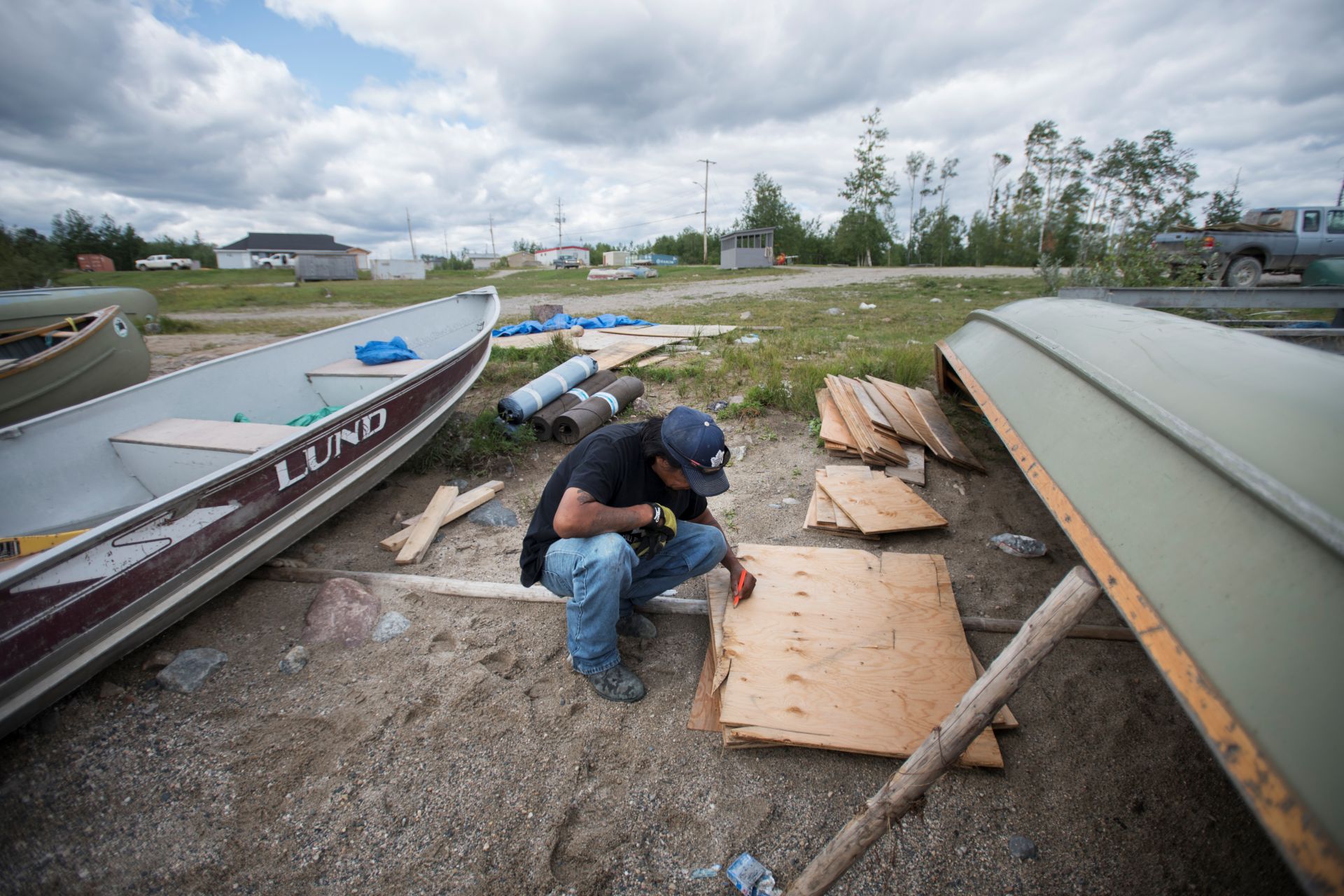
Housing shortages create overcrowding, which drives food insecurity, which pushes children into crisis. Limited connectivity blocks access to the digital economy, creating widespread job instability.
What’s needed are new solutions, designs and conversations. Some of these approaches already exist.
Three examples of success
One powerful example is the Indigenous Leadership Initiative. It helped secure federal funding for the Indigenous Guardians program and launched the First Nations National Guardians Network, the world’s first Indigenous-led stewardship network. The program supports Indigenous Peoples as they steward their lands with sustainable practices, ensuring Indigenous self-determination is respected as communities return to their traditional role as caretakers of the land.
The leadership initiative also launched a fire stewardship program, encouraging Indigenous communities to assert their right over fire management from firefighting to cultural-fire burns. Over the past few years, they have worked with First Nation communities across Canada to pilot training programs, helping communities prepare for wildfires and mitigate some of the risks they face.
Outcomes from the leadership initiative programs are impressive: an active contribution to species protection, climate resilience and sustainable land management in addition to employment opportunities and traditional knowledge transfer. These initiatives highlight that when Indigenous Peoples tackle deadly problems, it leads to multiple benefits.
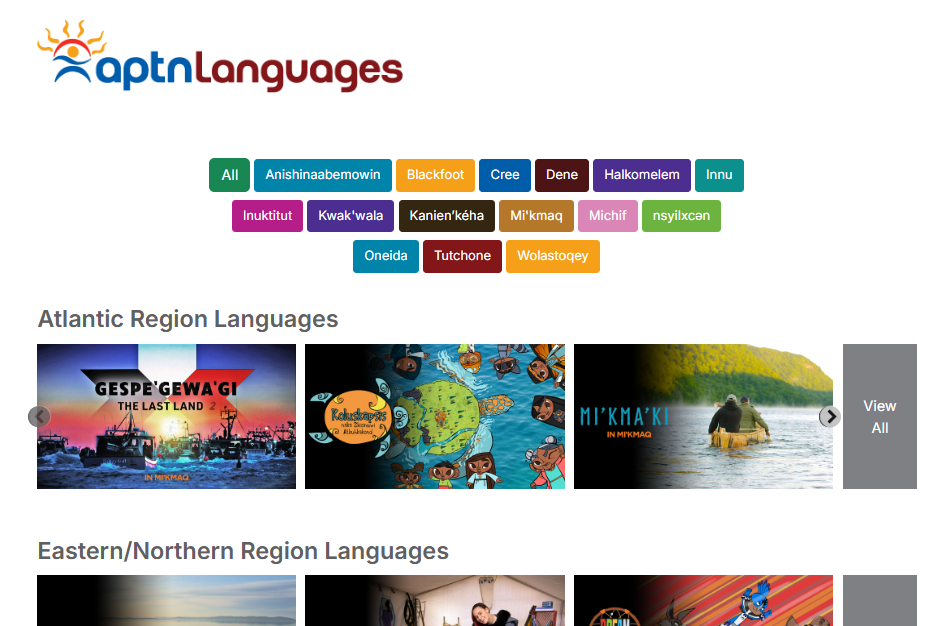
Another impressive program is APTN Languages, an Indigenous language channel that launched in 2024, featuring 18 Indigenous languages from coast to coast to coast. The initiative supports Indigenous language revitalization, giving native language speakers an opportunity to share their knowledge through a platform with a wide reach, and it increases representation within media -all key underlining themes among the calls to action.
Tea Creek in British Columbia is an award-winning food sovereignty program that shows what integrated solutions look like. Designed by Indigenous leader Jacob Beaton and his wife, Jessica Ouellette, it provides employment while teaching traditional food practices.
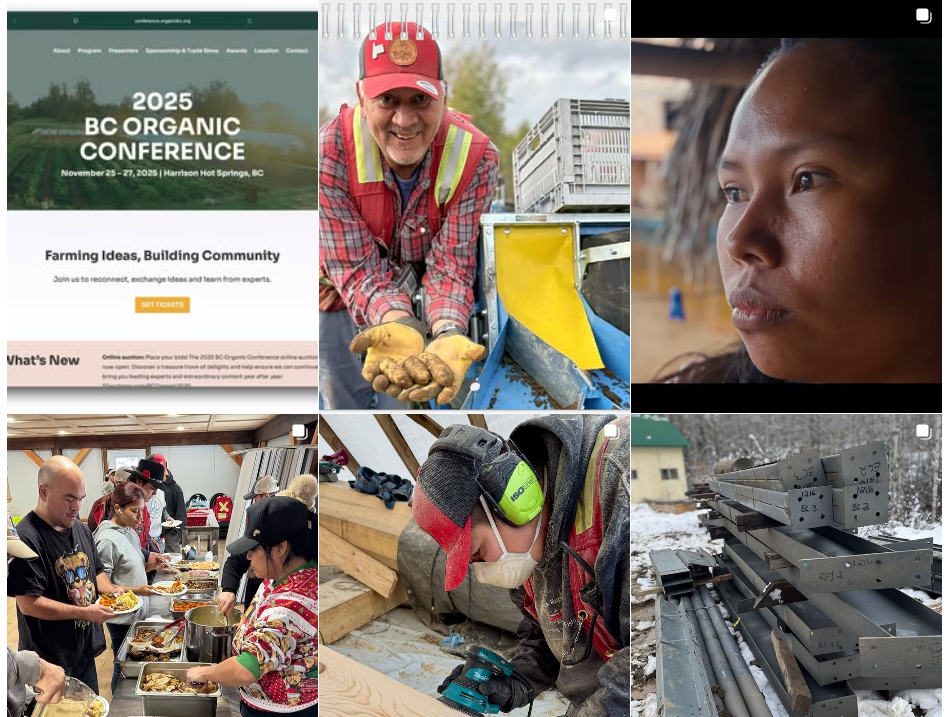
The program creates a cascade of benefits: Indigenous youth gain employment and income stability and they reconnect with cultural knowledge through working with elders. They develop food-security skills and strengthen community resilience.
By addressing employment and education together, all priorities in the TRC, Tea Creek demonstrates that food sovereignty is never just about food.
The elements of success
What ties all these solutions together? They tackle interconnected problems simultaneously, they have moved from talk to action and they prioritize collaboration.
This kind of approach requires structural change: multi-level government agreements that enable Indigenous-led solutions.
The BC Tripartite Education Agreement from 2018, for example, brings together the federal government, British Columbia and the First Nations Education Steering Committee to give First Nations more control of education policy in their communities.
Similar frameworks could enable other programs to operate across federal-provincial jurisdictions or support Indigenous cultural revitalization efforts that span sectors.
Ten years after the TRC’s final report, with critiques mounting about the pace of the calls to action, it’s important to acknowledge that the trauma and dysfunctionality caused by deadly systems will take time to heal.
But if leaders, both Indigenous and non-Indigenous, can start to see the interconnectedness of policy issues and be courageous and innovative, there’s an opportunity to move from checkbox to transformative reconciliation.