(Version française disponible ici)
What is unfolding in the Democratic Republic of Congo (DRC) is not just a localized health emergency; it is a warning sign of a deeper and more dangerous failure in global health. We must act.
A year ago, Dr. Manenji Mangundu, Oxfam country director in the DRC, painted a bleak picture of the situation. The United States Agency for International Development (USAID) had been funding 70 per cent of humanitarian aid in eastern DRC. When this funding was abruptly halted by a Trump executive order in January 2025, health providers were forced to shut down. For the people who relied on them, the suffering was immediate.
At the time, Dr. Mangundu was reporting a marked rise in cases of cholera and mpox. Even more alarming, he described the DRC as an “Ebola reservoir.”
At a time when the DRC’s institutions were collapsing under prolonged and violent conflict, mass displacement and a staggering humanitarian catastrophe, the international community turned its back on the country. When I visited in July 2025, women in devastated eastern villages were asking me how they were supposed to survive other than through prostitution. The only clinic in one village, which had a single bed, was about to close.
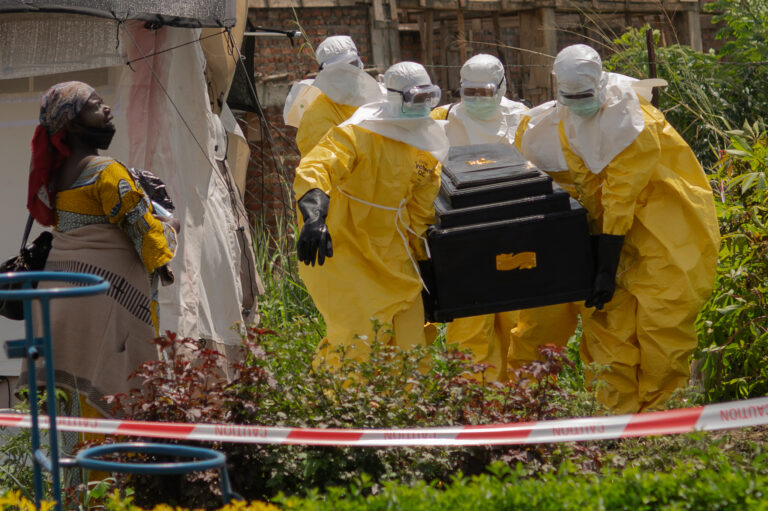
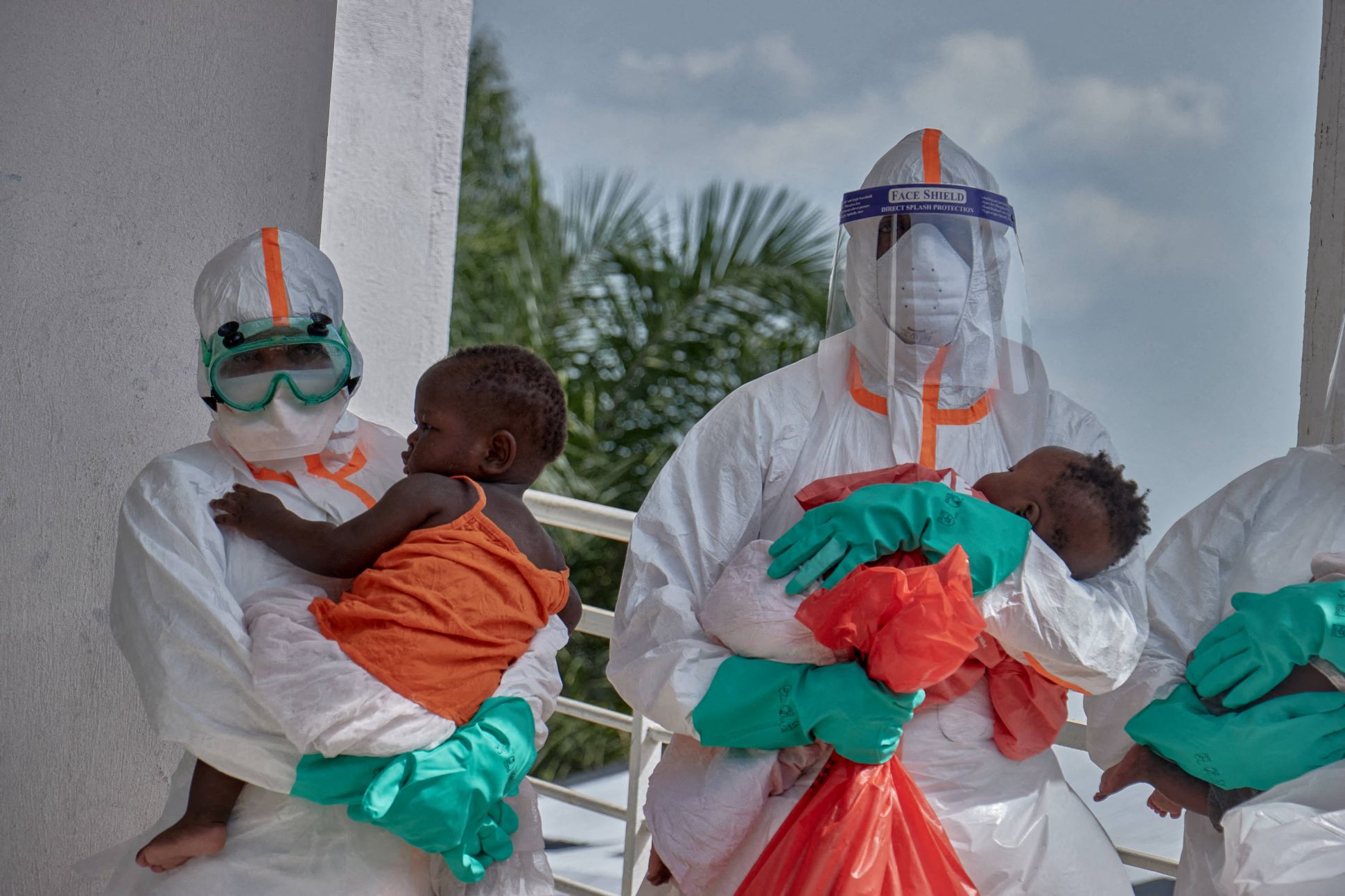
And now, a strain of Ebola for which there is neither a vaccine nor a treatment is spreading rapidly in the DRC and neighbouring countries.
Abandonment with predictable consequences
We tend to think of Ebola as a distant misfortune, but this outbreak did not happen by chance. The countries of the Global North bear a large share of the responsibility. This crisis is partly the predictable result of cuts to international aid by the Trump administration and other OECD countries that followed its lead—decisions made far from the affected communities, that dismantled vital programs and weakened already fragile health systems.
Ebola is not a new disease; the current crisis is the 17th outbreak in the DRC. More than 15,000 lives have been lost, but thanks to scientific advances and the work of thousands of people dedicated to global health, the Congolese people have developed well-recognized expertise in controlling this disease. Yet today, there are insufficient resources to support the essential day-to-day work of local experts fighting the virus with courage and resolve.
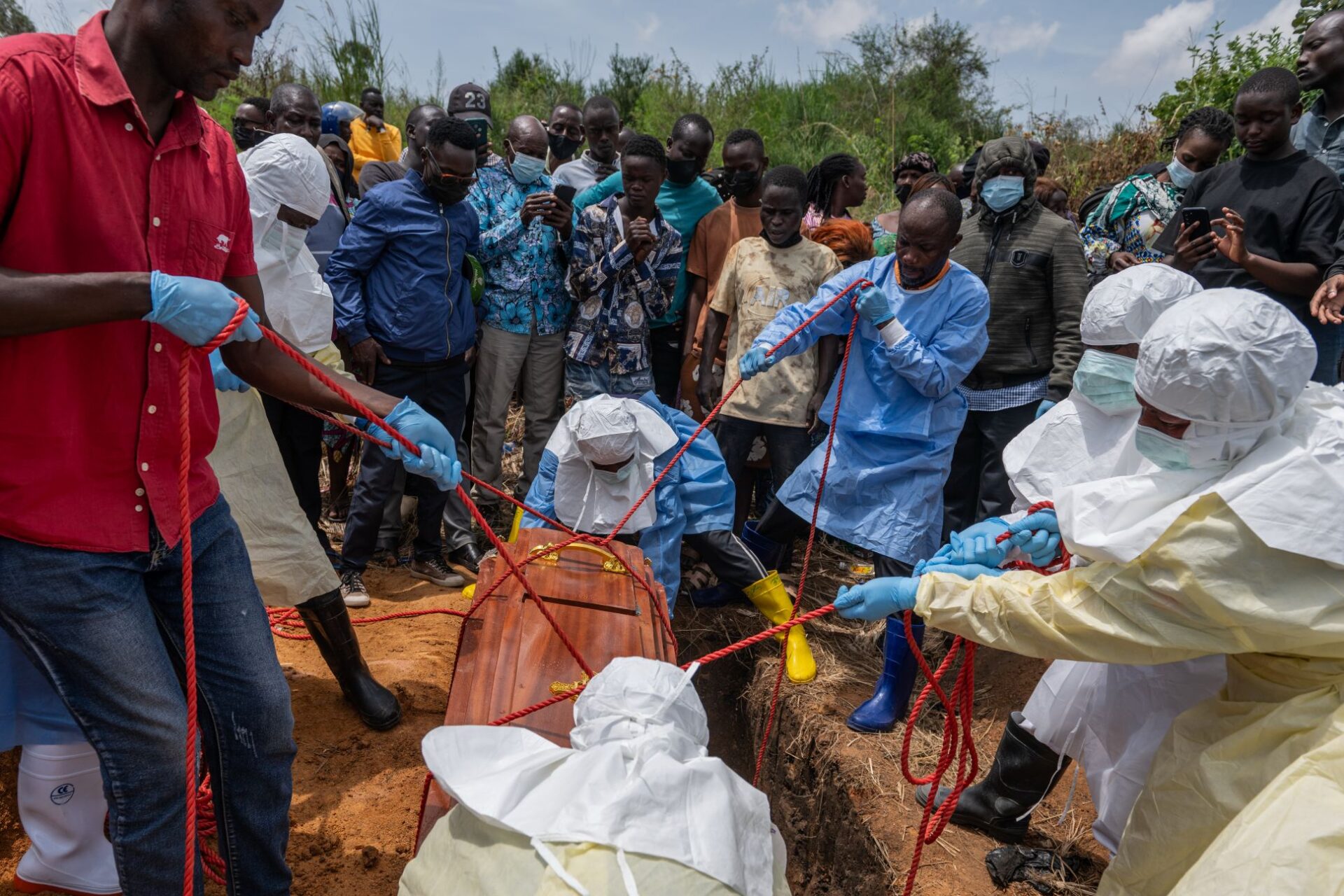
While the spread of the outbreak is deeply concerning, the most alarming aspect is the context surrounding it. The drastic drop in humanitarian funding has had severe consequences. Health facilities have closed overnight, stocks of essential medicines have run out quickly, and disease surveillance systems, which make it possible to detect outbreaks before they spread, have been weakened. Access to clean water, sanitation and public awareness campaigns was reduced, which has further accelerated the spread of disease.
For millions of people, this means no vaccines, no treatment for infections, no medicine, no clean water, no toilets and nowhere to wash.
It is against this backdrop that the Ebola virus has resurfaced.
When aid disappears, crises deepen
The eastern part of the DRC is the setting for one of the world’s most complex humanitarian crises. Decades of conflict have internally displaced more than six million people, while millions of others live in extremely precarious conditions without reliable access to basic services. More than 26 million people are going hungry there.
When a disease like Ebola emerges in this context, containing it becomes far more difficult—not because the disease itself is uncontrollable, but because the systems required for control have been decimated and because people need to move to survive. This is where the global stakes become clear.
After USAID: Why Canada must lead on global health now
Canada must lead on disability-inclusive international development
Diseases know no borders. The lesson from the COVID-19 pandemic should have been clear: wherever they occur, outbreaks can become a global threat if they are not monitored and brought under control quickly. Yet one by one, countries in the Global North are reducing their support for fragile health systems. OECD countries have cut their humanitarian aid budgets by more than 35 per cent. Although Canada says it wants to maintain humanitarian funding, the country has slashed development aid by $2.7 billion over four years. Even Quebec cut its international solidarity budgets in December 2025, only to announce in May 2026 that they would be maintained after all. For Oxfam, this funding is specifically intended to support health systems in the DRC and Chad.
Invest in prevention or pay the price of inaction
Global decisions about how international aid is funded largely determine whether the health systems of vulnerable countries hold firm or collapse. The question is whether the world is prepared to invest in prevention or continue paying a far higher price for inaction.
For a country like Canada, supporting global efforts to combat disease is an act of solidarity and dignity, not charity. It is also a necessity in an interconnected world.
Canada must maintain its recognized leadership in global health, and be a model for other nations. It must uphold and adequately fund its 10-Year Commitment to Global Health and Rights, and its commitment to humanitarian aid.
This is no time to give up. Security and prosperity crumble when people cannot live in health and dignity.