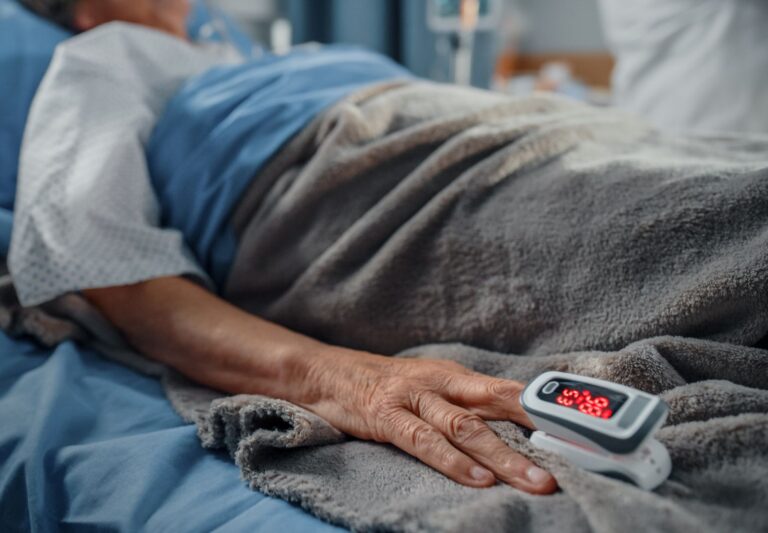
In July, I sat beside my mother as she received medical assistance in dying (MAiD). The process was calm, compassionate and meticulously planned. The medical team explained each step, physicians ensured safeguards had been followed and my mother’s wishes remained at the centre throughout.
By all accounts, it was a good death – peaceful, planned and consistent with her wishes.
In the days and weeks that followed, however, it became clear that, while Canada’s MAiD system knew exactly how to support my mother through her death, it was far less prepared to support those of us left behind.
This experience raises an important policy question: Has Canada built a comprehensive MAiD system for patients and providers, but not for families and loved ones? As policymakers continue debating who may access MAiD and under what conditions, they should also ask what obligations a compassionate health-care system owes to those who remain.
Patient-centred, family neutral care
Since the Supreme Court of Canada’s 2015 Carter v. Canada decision, Canada has developed one of the world’s most comprehensive MAiD frameworks, with successive legislative reforms, detailed eligibility criteria, procedural safeguards, provider standards and reporting requirements. Yet remarkably little attention has been paid to what supports families may require before and after a MAiD death.
As a result, Canada’s MAiD regime can be understood as patient-centred but largely family-neutral. While the person requesting MAiD is at the centre of decision-making, family members often accompany them through the entire process as caregivers, advocates, emotional supports and witnesses to the death.
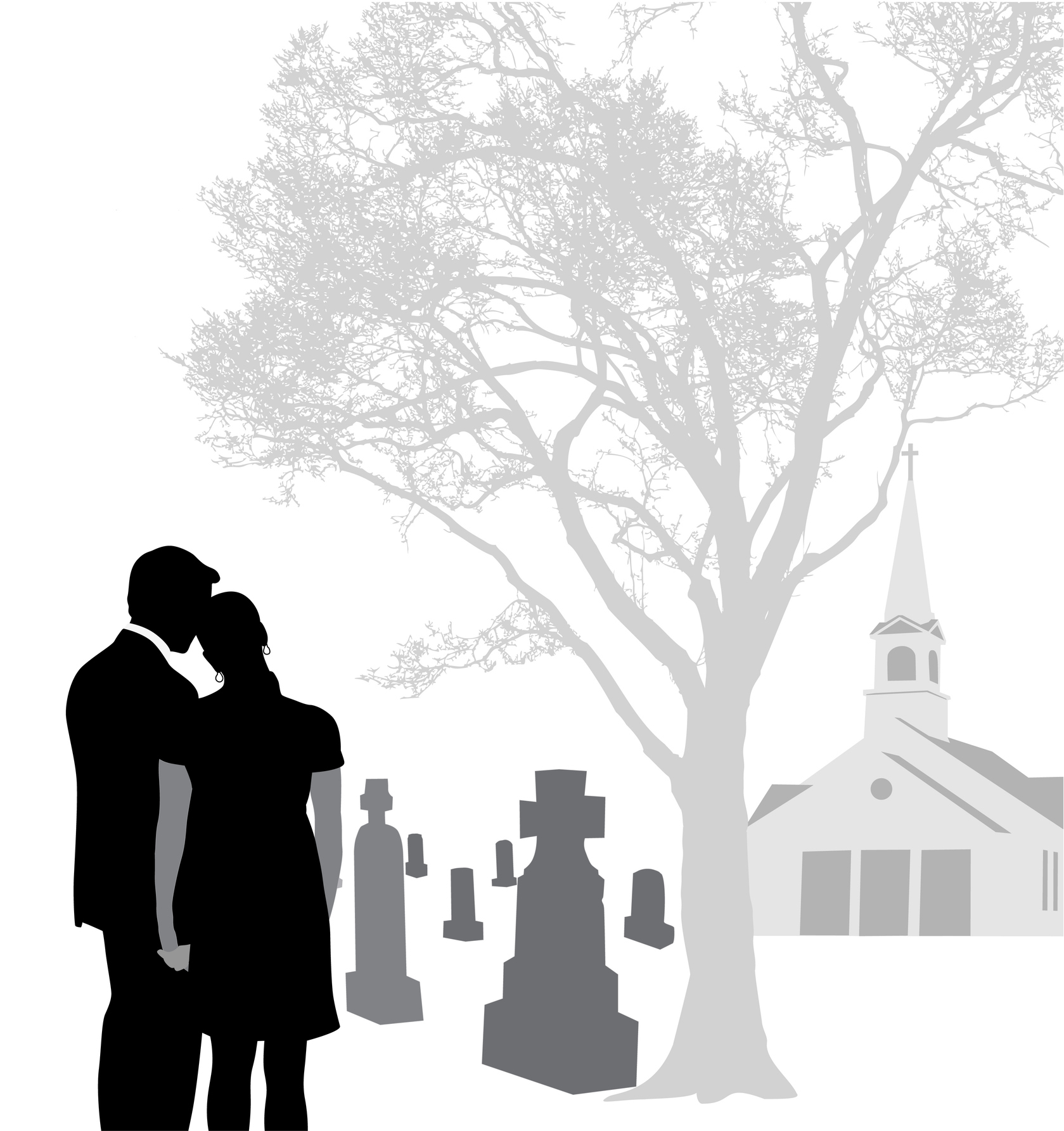
After the death, they can face grief, guilt, moral uncertainty and social stigma in addition to administrative responsibilities and the challenge of rebuilding life without their loved one. Yet support for families remains one of the least developed components of Canada’s MAiD system, despite MAiD being authorized through federal law, with responsibility for delivering care resting with provincial and territorial health systems.
Research suggests that families affected by MAiD may encounter challenges that differ from those associated with other deaths. In a Canadian qualitative study, Ellen Crumley and colleagues found that family members reported experiences of guilt, judgment and secrecy surrounding MAiD decisions. Participants described feeling unable to discuss the death openly and encountering criticism from friends, relatives and communities. These findings challenge the assumption that the planned nature of MAiD necessarily makes bereavement easier.
While some family members experience comfort knowing a loved one’s suffering has ended, others may experience anticipatory grief and distress from witnessing the death of a loved one firsthand. Such experiences become even more complex when family members disagree about the decision. Research by Kristie Serota and colleagues identified several factors that can complicate grief following a MAiD death, including family discordance, internal conflict, legislative and eligibility concerns, logistical challenges, and difficulties managing disclosure and negative reactions from others.
Family supports should begin before the death
Tharshika Thangarasa and colleagues suggest that many experience intense emotional burdens before the death itself, including navigating uncertainty, co-ordinating care, supporting their loved one’s decision-making and preparing for a known death, suggesting that family supports should begin before death rather than after it.
A scoping review led by Han Yan examined international research on grief and bereavement following MAiD and found recurring themes of secrecy, anticipatory grief, stigma, family-provider relationship challenges and the need for support before, during and after the death.
The evidence that families require support is increasingly difficult to ignore. Yet the gap is not merely one of awareness. It is embedded in the policy architecture itself, including the clinical resources allocated to administering the program.
A 2019 survey of MAiD providers in British Columbia by Konia Trouton and colleagues found broad agreement among physicians providing MAiD that family members and friends often require bereavement support before and after an assisted death. However, providers also reported lacking the time, resources and a formal mandate to consistently offer such support. As the authors note, current MAiD legislation does not require providers to provide bereavement follow-up.
This represents a missed opportunity. Provincial health systems in Canada increasingly recognize the importance of family-centred care in areas such as pediatrics and palliative care. These approaches acknowledge that illness and death affect not only patients but also their networks of friends, family and caregivers. While MAiD must remain grounded in individual autonomy and adhere to health privacy legislation, autonomy and family support are not mutually exclusive.
Providing support that families need
The next stage of MAiD policy development should continue to focus on questions of access and safeguards, and enrich the policy conversation by considering what support families need throughout the MAiD journey.
A first step should be the creation of standardized family-support protocols within provincial MAiD programs, similar to other areas of health care. Family members and those who will be present at the death should receive information about what to expect emotionally, practically and administratively both before and after the death. B.C.’s Island Health has worked with local universities, community groups, hospices and researchers to develop a bereavement guide which could serve as a helpful starting point upon which to build.
Second, provinces should consider funding dedicated MAiD navigators who support patients, their families and those present at the death. Navigators could connect impacted individuals with counselling services, bereavement programs, community supports and practical resources. They could also help families anticipate challenges that often emerge in the weeks following a death.
Families navigating a MAiD death often encounter a highly structured system beforehand and a striking absence of support afterward. In response, peer-led organizations, volunteers and bereaved family members have stepped in to provide counselling, educational resources, support groups and lived-experience guidance. The growth of specialized MAiD family-support organizations suggests that many families are not finding the support they need within existing health-care systems. Their work is invaluable, but it should not substitute for a co-ordinated public response with trained mental-health practitioners.
MAiD has become routine. Would it be if palliative care was more available?
Provincial health systems should develop dedicated MAiD bereavement pathways rather than directing families into already overstretched general mental-health services. The strongest model would combine both approaches: publicly funded, clinically supported MAiD bereavement services working in partnership with community-based peer support organizations and family-support networks across Canada.
One option to enhance family bereavement support would be to amend federal MAiD legislation or provincial MAiD practice frameworks to mandate formal post-death contact with immediate family members and those present at the death. Much as providers are required to meet specific procedural obligations before a MAiD death, health systems could establish minimum standards for engagement afterward, including bereavement check-ins, information referrals and ongoing assessment of support needs.
These measures could be bolstered through national best-practice guidelines for family engagement and bereavement support. These would not diminish patient autonomy or confidentiality. Rather, they would acknowledge that families are essential participants in the care process, present at the death and often carry the emotional consequences long after the death has occurred.
My mother’s death was, in many respects, a good death. For that, I remain grateful. But her death also revealed a question that current policy leaves unanswered.
Canada has built a comprehensive MAiD system for patients and providers. But it has not yet built one for families. MAiD services should not end at death. For families, this is where a different journey begins.