It’s undeniable: there’s a new spotlight on Canada’s North, and it’s long overdue.
As Ottawa earmarks record spending for national defence and Arctic infrastructure, Canadians are waking up to the realities of the North and the pressing need for sustained action. For many, these investments are welcome news, but they also highlight the urgent challenge presented by old and failing energy grids.
The North is facing a perfect storm: increasingly unpredictable weather due to climate change, deteriorating and inefficient infrastructure, and growing demand for electrical power due to rising populations, electrification, and industrial growth.
These challenges only compound the pressures on already stressed systems, as northern energy grids have for decades struggled to meet the needs of communities and industry. If Canada is to achieve its goals of becoming a secure and climate-competitive nation, then resilient, community-centered infrastructure must come first.
So, how did we get here?
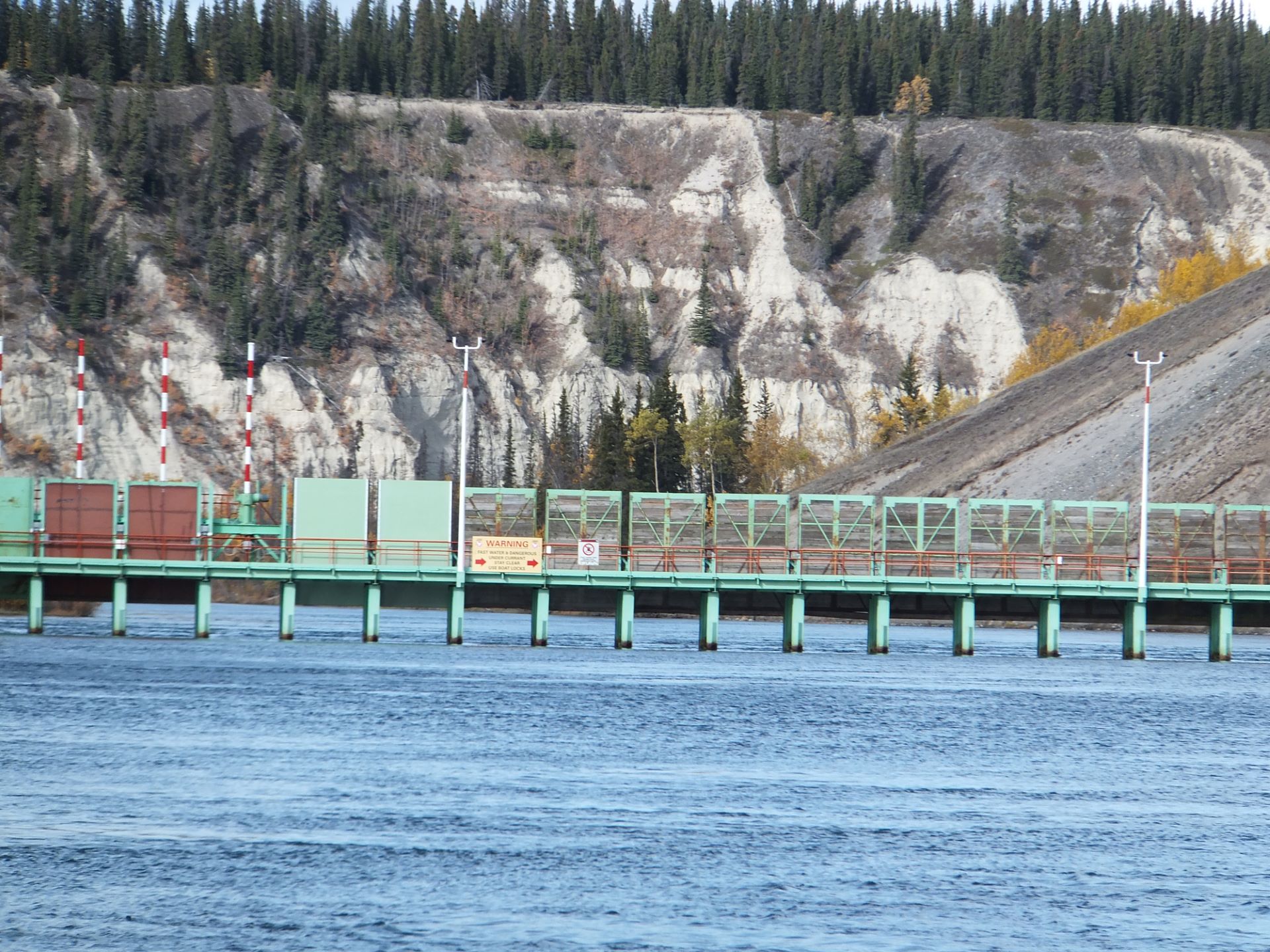
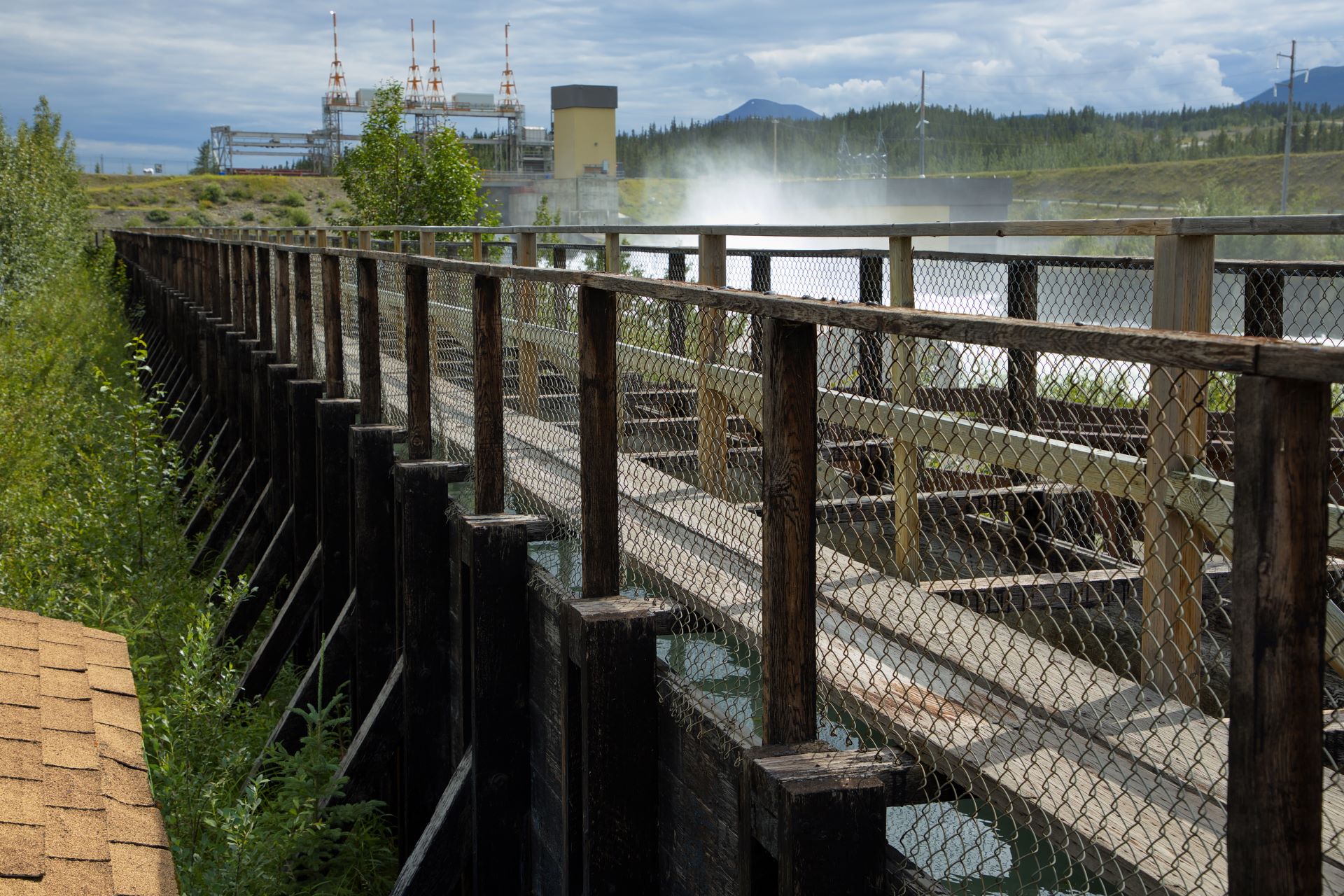
In the 1950s, many northern and remote regions were electrified to support economic growth and regional expansion. Diesel and hydroelectric generators were built to supply heat and power to communities and evolving industries, mining operations and military sites. Although these systems were built decades ago, many homes and businesses still rely on them today.
Northern infrastructure needs northern talent
At the time, these expensive systems made the most sense logistically, geographically and financially in these remote regions. But as demand for electricity continued to grow, this underfunded energy infrastructure has strained to keep up.
During the particularly harsh winter of 2025-26, the case for modernizing and improving these systems became painfully clear. For instance:
- In the Yukon, a weeks-long cold spell reached minus-50 C, plunging the territory’s power grid into the “red-zone” and prompting emergency community and government responses.
- In Nuanvut, the Hamlet of Gjoa Haven experienced a community-wide power outage during a blizzard this April, which forced local and territorial leaders to call a state of emergency and seek crisis support from Canadian Armed Forces.
- In Manitoba’s Pimicikamak Cree Nation, a broken power line during bitterly cold weather last December forced nearly 4,000 residents to be evacuated and caused an estimated $44 million in damages.
These increasingly “normal” conditions should be sounding the alarm for governments to address a deteriorating energy infrastructure. They also illustrate the perils of building energy systems that serve industry but ignore the long-term implications for local communities outside of the plant gates.
The technology exists to address these challenges. Numerous communities already benefit from innovative power systems that were designed to be resilient and sustainable. However, even visionary initiatives can later become undermined by insufficient or inconsistent funding, disjointed long-term planning and a lack of training and skills development to support their ongoing operation.
In recent years, some communities have strived to reduce such vulnerability, thanks largely to local and Indigenous leaders who are building credible solutions to energy challenges. For some, this means incorporating proven technologies like wind, solar and battery storage to reduce diesel consumption and modernize local microgrids. Others focus on improving energy efficiency measures to ensure that cold air stays outside and warm air stays in. All of these approaches help reduce the strain on power grids during winter.
But regardless of the strategy, communities alone cannot carry the burden of repair and improvement.
Clearly Ottawa has a responsibility to support this infrastructure that is a key to Canada’s security. Much of today’s aging energy infrastructure was built by previous federal governments, however few have committed ongoing funding to improve and maintain these systems at pace and scale.
If Canada expects to become more resilient and self-reliant — as outlined in the new Defence Industrial Strategy — we must replace our complacency with a resolve to create a reliable, modern grid that generates and delivers power across the North.
Fortunately, Canada has demonstrated it has the ability to respond to such needs.
Federally funded programs like the Wah-ila-toos clean-energy initiatives have showcased the role that policy can play in helping communities design cleaner and more efficient energy solutions. Sometimes the benefits are a double win, as when the increased use of alternative technologies to expand power generation also reduces the burning of diesel.
But despite their success, such programs are at risk of expiring without renewal in the next federal budget, threatening the momentum behind community-led clean energy that’s been building for the past decade. If we want this kind of progress to continue, we must support the programs, the policies and the people that are making a difference.
This past winter told an important story about the vulnerabilities that undermine many northern and remote energy systems. It was a clarion call for policy makers, industry and communities to come together, learn from the past and build a more resilient future.
The current federal government is continuing to identify the infrastructure priorities and capacities that Canada requires to embrace new levels of industrial, military and economic independence and self-reliance.
We must seize the moment and include energy-grid investments that support strong communities, multiple economic sectors and our national security.