(Version française disponible ici.)
The federal government recently released a new defence industrial strategy, with $6.6 billion of new funding attached. It comes with the lofty goal of eventually producing 70 per cent of our defence equipment in Canada.
There are many moving pieces to the strategy, but the question on many people’s minds is this: Can’t we just buy planes and ships from other countries? It’s a logical thought, but one that doesn’t stand up to recent history.
Considering the threats to Canada’s sovereignty and economy from U.S. President Donald Trump, let alone a scenario where tensions persist beyond his second administration, it would be useful to have the capability to build advanced military hardware ourselves, as well as to have a greater diversity of international suppliers and partners in building facilities here.
That’s called strategic autonomy. Its value has been shown around the world.
Strategic autonomy and the invasion of Ukraine
In February 2022, Russian President Vladimir Putin launched an immoral and illegal full-scale invasion of Ukraine. While the free world was quick to denounce the move and introduce measures to punish Russia and to aid Ukraine, Putin had leverage.
After all, Europe had long allowed itself to become dependent on Russian natural gas exports. The world experienced an inflationary shock as energy, fertilizer and wheat prices increased. This arguably caused some of our allies to be less aggressive in starving the Russian war machine through sanctions and in arming Ukraine – thus prolonging the war.
Leverage can force uncomfortable compromises. However, it can also work both ways in a highly integrated global economy.
In March 2022, Boeing announced it would join rival Airbus in cutting off aircraft parts and services to Russia. Given the highly specialized components required to keep jets in the air, Russia has had to find ways to circumvent sanctions to keep its struggling airline industry going. It’s not clear that it is sustainable. Indeed, Moscow is making a major push to develop its own aerospace industry, which isn’t going well.
Parts aren’t the whole story, though. Services such as software updates and support are also important. When you’re buying complex equipment, you’re buying a relationship. If that relationship deteriorates, so does your fleet. That’s why Russia is trying to build strategic autonomy in critical sectors – hopefully too late.
Boeing and Airbus cutting off Russia is a reminder that corporate actors can also reassess their relationships with various countries.
That brings us to a more worrisome example: Starlink. SpaceX granted Ukraine access to its satellite internet service when the war began in February 2022. It was immensely helpful for Ukrainian defences. However, the company refused to allow its use in Russian-occupied Crimea, despite Ukrainian requests.
“We will not enable escalation of conflict that may lead to WW3,” SpaceX founder Elon Musk tweeted at the time – despite the fact that the U.S. government was explicitly on the side of Ukraine then.
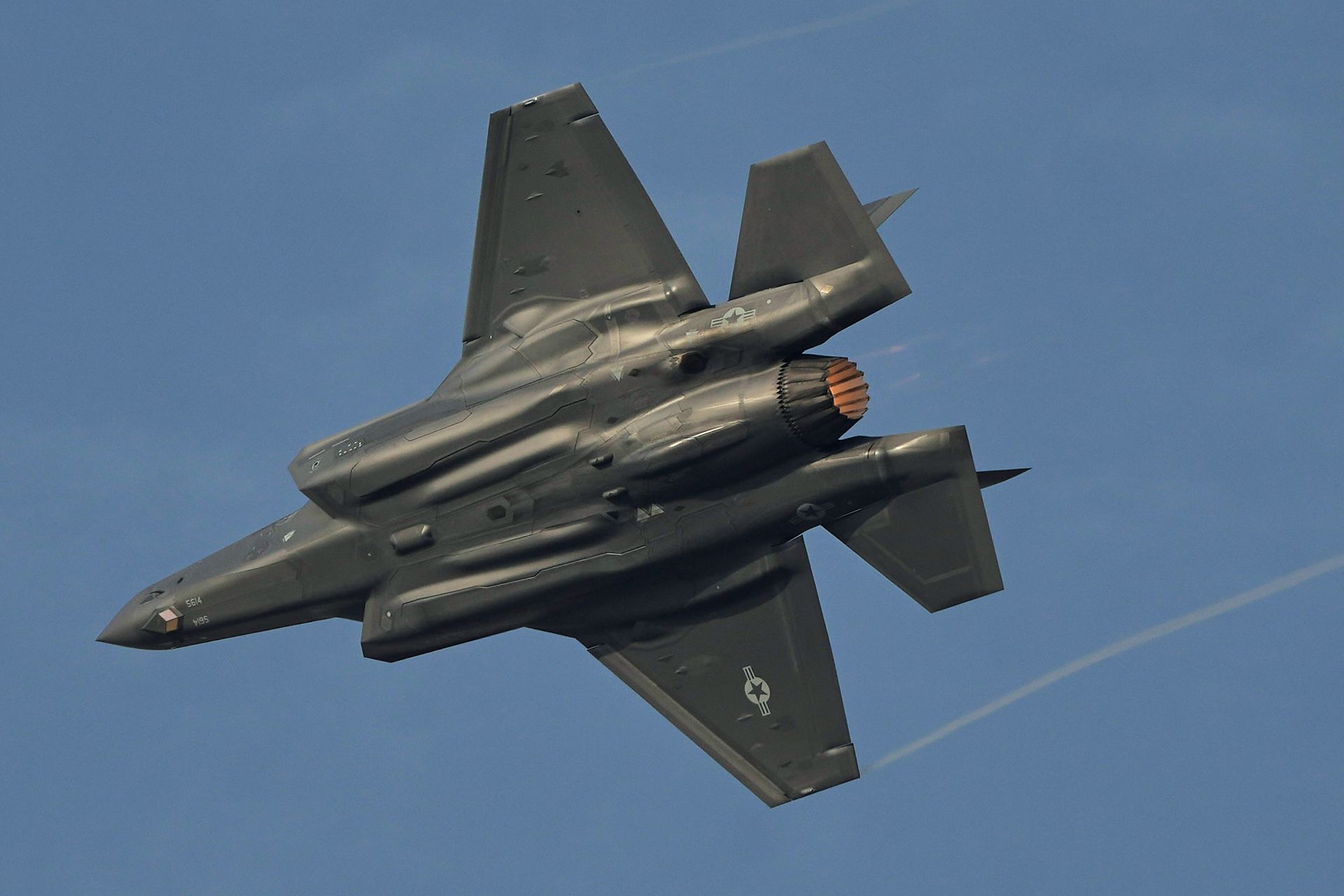
This is top of mind because rumours emerged recently about an alleged “kill switch” that can disable the $19-billion F-35 fighter jet fleet that Canada is buying from Lockheed Martin. The story was so alarming that the Pentagon felt the need to deny it.
Canada’s dilemma: efficiency versus security
It doesn’t have to be true, though. The companies – on their own or at the request of their government – could simply not send customers parts or software updates. Indeed, Vice Admiral Mark Norman noted in a recent interview: “Significant aspects of the F-35’s advanced capabilities would be nullified [if we lost American support.]”
Relations with the United States aren’t as assured as they once were. Scenarios of being cut off from critical supply chains are something Canada needs to contemplate, not just with the United States, but with all our allies. As we’ve learned the hard way, one election can shift an ally from a friend to an unreliable partner.
It’s difficult to restore assurances of security and stability once they’ve been called into question in such an unprecedented manner. In the end, increasing trade with a greater variety of countries helps hedge against the possibility that one of our suppliers might become unreliable.
We also need to build more ourselves because that’s the only relationship over which we have full control. We’re not going to become totally autonomous, but we can minimize the odds of having our security compromised by foreign surprises by building and protecting strategic industries such as defence manufacturing, mining and steel production.
There are trade-offs between the efficiency of free global commerce and threats to security. Protectionism tends to be inefficient, but as Prime Minister Mark Carney noted in Davos, we need to take the world “as it is.”
Defence procurement in a changing world order
When it comes to strategic goods such as military equipment, the risk of a supplier weaponizing trade is enough to warrant forgoing a bit of efficiency.
Some critics rightly worry that giving preference to domestic firms might lead Canada to buy inferior equipment at a higher cost. Another concern is the government’s potential use of defence spending as an inefficient and unsustainable job-creation program. In a perfect world, Canada wouldn’t need to focus on domestic production.
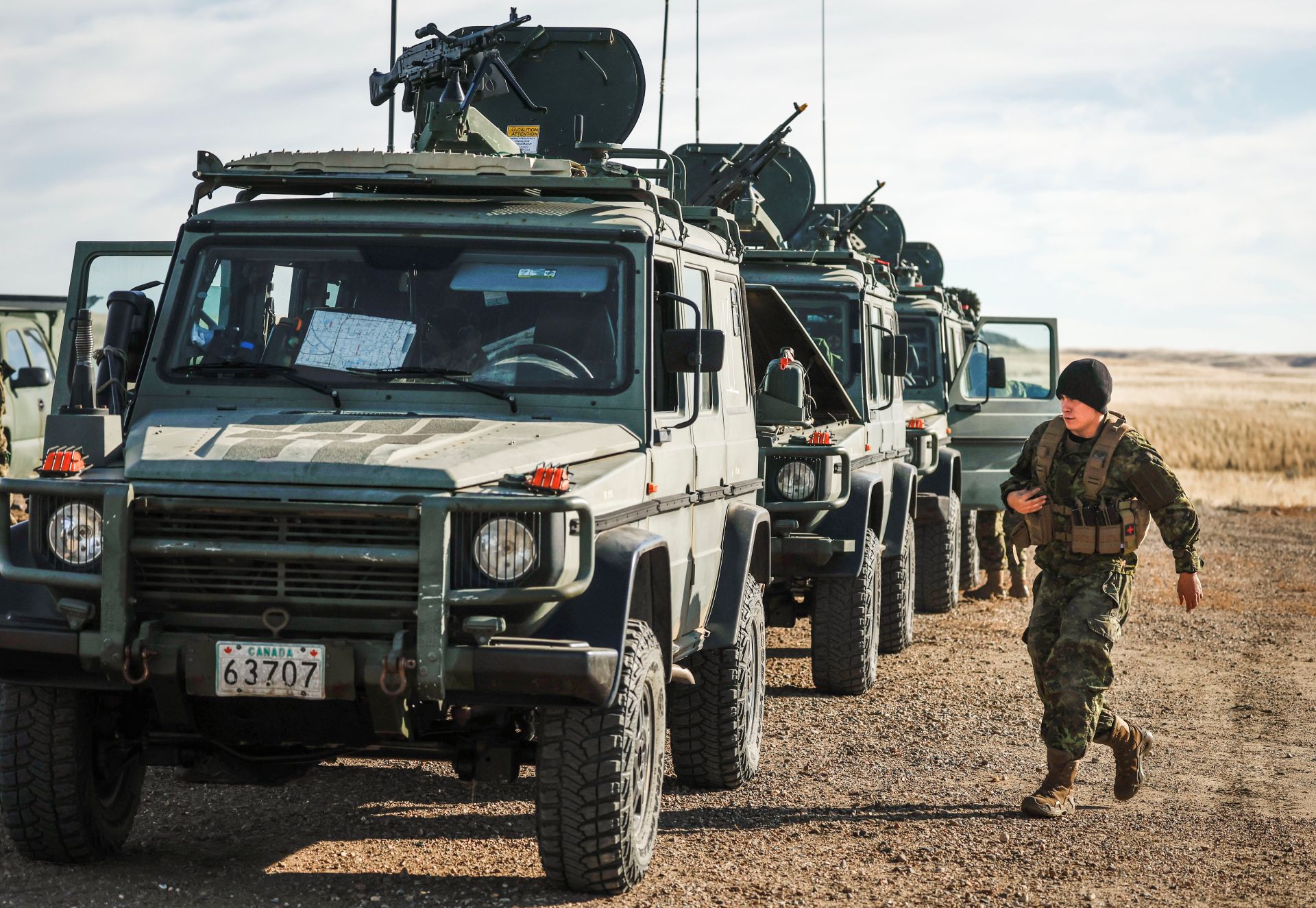
Indeed, supply chains are so highly globalized because that’s efficient. If every country aimed for self-sufficiency, the world would be far less productive. Having 195 commercial jet manufacturers wouldn’t be as efficient as having a few large manufacturers with deep expertise and global scale.
There’s no guarantee that new or expanded Canadian defence companies will be as cost-effective as current vendors.
Much of this country’s military hardware comes from a small number of suppliers mostly based in the U.S. If we simply put in new orders with existing firms, we’re in line with everyone else.
One way to get around that line is to build our own. One cannot simply go shopping for an off-the-shelf submarine or fighter jet. Having the capacity to build and maintain such complex equipment through partnerships is one way that Canada can not only build resilience into our supply chain, but also build additional supply.
Sending a market signal to domestic producers can help move the needle on overall defence production. Building factories requires years of lead time, so committing to buying domestic content gives potential suppliers and producers a measure of certainty. Otherwise, companies may worry that lofty pronouncements will fade away if geopolitical concerns settle down. Tangible financial commitments would ease those concerns.
Of course, none of this is easy. Industrial policies can easily go sideways whether through bad luck or poor execution. But Canada doesn’t have much choice except to try.
That isn’t to say Canada should build everything itself. But building more domestically would reduce our supply chain risks while also making meaningful contributions to NATO, which has underpinned Canada’s security since the end of the Second World War.
While we don’t want to be as reliant as we have been on allies for weapons production, we nevertheless want to be good allies for as long as our friends remain friendly.
Finding the right partners
Partnering with foreign companies willing to locate production in Canada can help develop local talent and build out the broader defence ecosystem.
For extremely complex equipment developed over generations, it can make more sense to sign agreements with foreign producers that are willing to open factories in Canada, rather than trying to reinvent the wheel. One key benefit of this is that know-how and facilities don’t just disappear if situations change.
Consider fighter jets. Trump’s talk of annexation led Ottawa to review its planned purchase of new F-35 fighter jets. This isn’t a mere trade issue. If the American government is serious about using economic coercion against this country, its control over the technology that underpins our defence comes with risks.
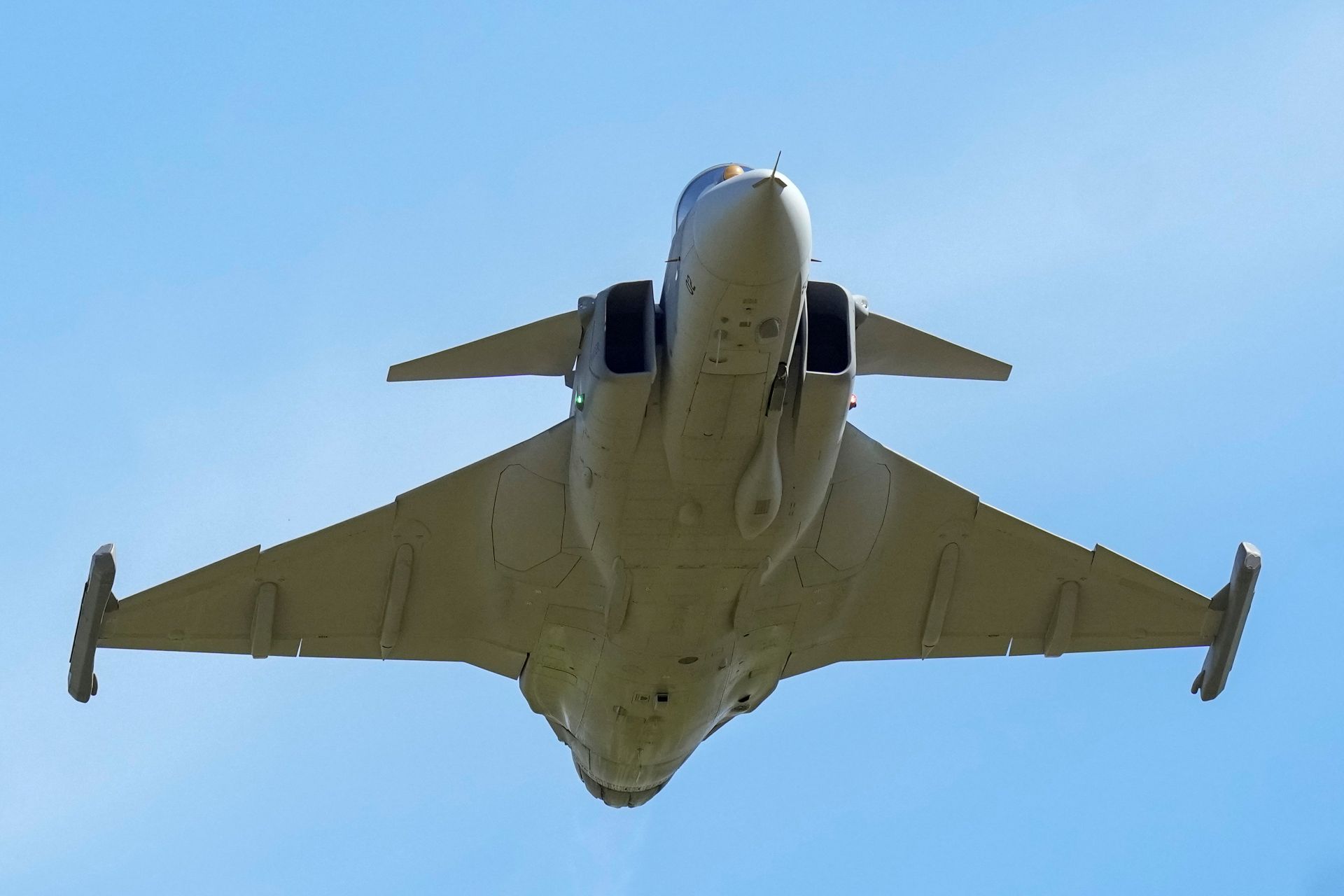
While it remains true that our air defences are deeply intertwined, the U.S. government has mused about altering or eliminating NORAD more than once – most recently over the prospect of Canada choosing Swedish-built Gripen jets.
In 2021, the Department of National Defence deemed the F-35 superior to the Gripen “by a mile.”
However, it would be useful to have a greater diversity of suppliers and to have the capability to build advanced military hardware ourselves. This is why the federal government does not appear to be ruling out the Gripen.
The maker of the Gripen, Saab, has made some lofty promises about job creation. While this consideration should not be the primary aim of Canada’s defence industrial strategy, it does present an opportunity to accelerate the rebuild of our defence industrial base and to bolster our already strong aerospace industry. Canadian companies already build commercial jets, business jets and turboprops, so it’s not like starting from scratch.
Some have argued that choosing the Gripen over the F-35 would be a mistake. Others have argued that each serves a need. There are technical questions involved that are difficult for civilians.
But these questions are inextricably linked with our future relationship with the United States – something that is largely beyond the control of Canada alone.
Interoperability with NORAD is one of the reasons cited for the F-35. That is now being used by American officials to suggest that bad things may happen if we don’t buy more F-35s. That feels like the opposite of strategic autonomy.
The federal government must weigh all these considerations against purely operational ones. As Carney argued in Davos, if great powers go it alone, middle powers will have to come together. Two middle powers partnering on fighter jet production may well be an example of that approach in action.
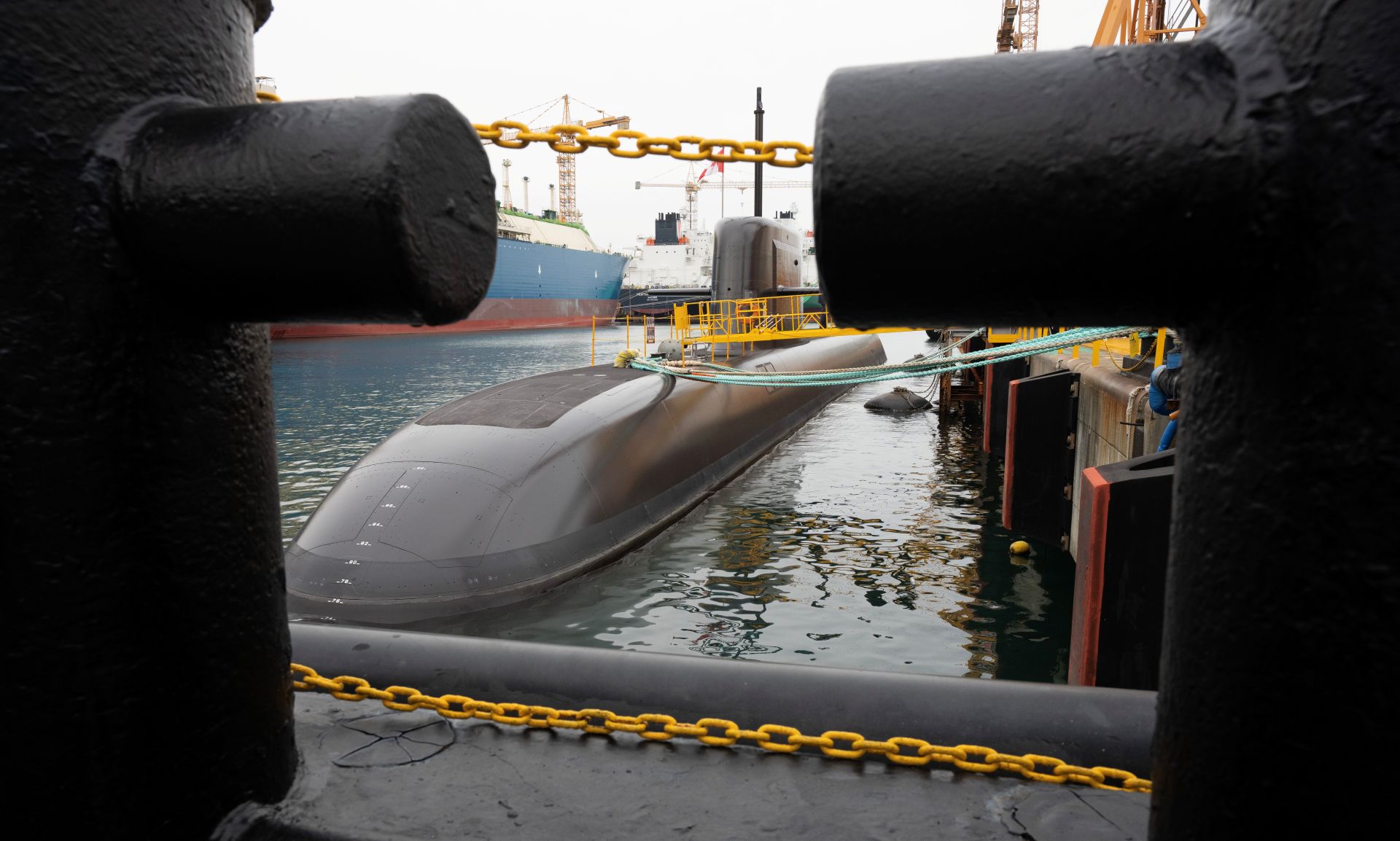
The same principle applies to submarines. Canada is considering buying new subs from either South Korea or Germany. In both cases, the negotiations appear to be about more than dollars and cents.
Ottawa is shopping for strategic partners, after all. There are no guarantees it will get it right. But bringing physical production onshore means that if one of them becomes an unreliable partner – either through an election or other event – at least we’ve got the capacity to adapt.