The path to political leadership in Canada usually starts with being a candidate.
Most people who aspire to become prime minister begin by running for a seat in the House of Commons. Once in Parliament, they typically spend years working their way up the political ladder from backbencher to (shadow) cabinet minister before launching a campaign for their party’s leadership.
This trajectory is common in a parliamentary system where the prime minister is the leader of the party that can maintain the confidence of the House of Commons. It’s difficult to gain that support, even from one’s own party, when the leader is not an elected member of Parliament. How can voters trust a prime minister who can’t appear in the House and be held accountable for their decisions and actions during Question Period?
A different route to political leadership
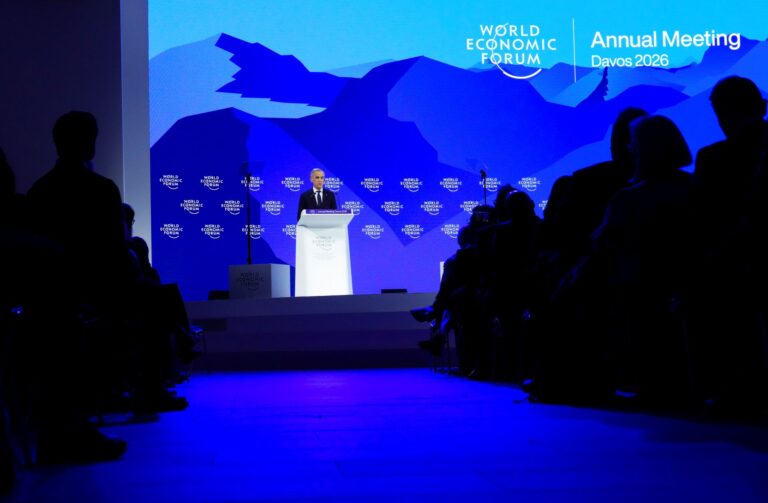
Mark Carney took a different route when he won the Liberal leadership last March despite never having been an MP. The victory made him prime minister but did not give him a seat in the Commons. The solution? Call an early election. Carney then won his own riding and the general election – giving his position as prime minister more democratic legitimacy.
Political candidacy and its challenges are fundamental to understanding trust in political leadership. That’s because those who can run for, and win, elected office shape societal assumptions about who is the ideal political leader.
When the majority of candidates are white men – as they are now – many Canadians may see only white men as possessing the skills, abilities and qualifications to become a political leader.
Yet public trust in political leadership partly depends upon the presence of a diverse political class. For example, international research has found that women are more likely to view the political system, government and public policy as more legitimate, democratic and trustworthy when they see more women in elected office.
Political parties have tried to diversify their candidate slates through targeted recruitment efforts such as the Liberals’ 2018 Invite Her to Run campaign, but more can be done.
Party recruiters should be diversified to increase the likelihood that qualified Canadians from all walks of life will be brought into politics. Parties could also appoint an internal task force to learn from diverse would-be candidates what structural and institutional changes are needed in politics.
Despite parties’ existing efforts, the demographic profile of the 343 MPs currently in the Commons still does not match the face of Canada as a whole.
Why candidate slates still don’t reflect Canada
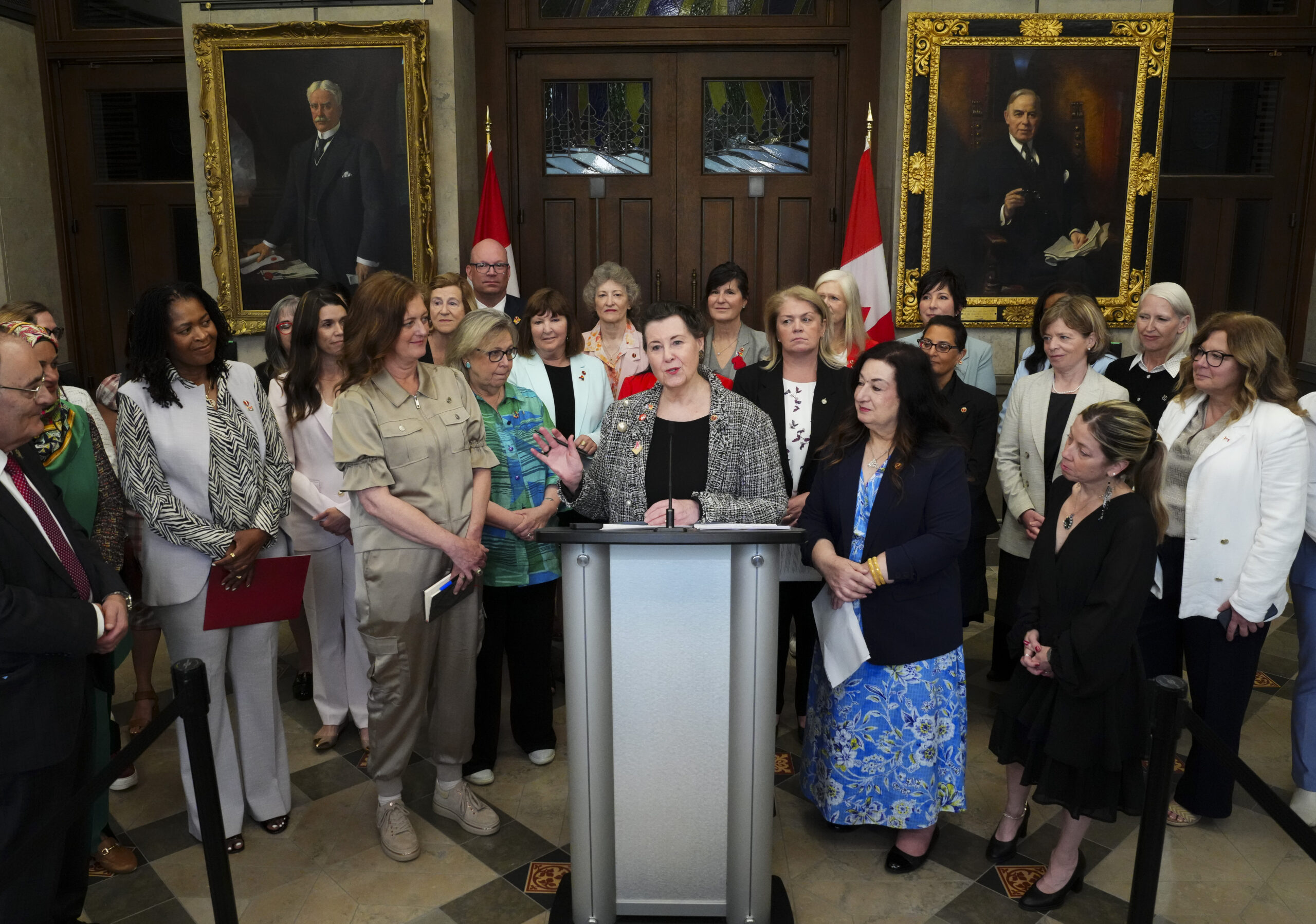
Despite more than a century of candidacy, women have yet to achieve the gender parity their numbers warrant. They make up half of all citizens but only 30 per cent of current MPs. Racial gaps are not as stark. Indigenous Peoples are estimated to be five per cent of the population but hold 3.3 per cent of the seats, while visible minorities are 26.5 per cent of Canadians yet only 17.8 per cent of MPs.
Understanding why white men continue to dominate our legislatures and leadership positions such as prime minister requires addressing the obstacles to candidacy. I explore the role of diversity in the candidate emergence process in my new book The Candidacy Calculation: Challenges to Running for Elected Office in Canada.
Interviews with 51 candidates for all three levels of government and 50 non-candidates – all from diverse social, political and geographical locations – reveal a more complex decision-making process than previously acknowledged.
A person’s decision to run for elected office is based on a rational assessment of structural, institutional, political and personal factors. In appraising their own situations, the research participants identified a range of factors that can depress the political ambitions of members of diverse social groups in distinctive ways.
We can’t explore all of them here, so let’s focus on two – the role of political parties and of social media.
Party networks and the limits of recruitment
Part of the job of political parties is to select candidates who will win their seats and thus aid in the party’s quest for power.
However, party recruiters tend to select candidates from their own networks, which are mainly comprised of people like themselves. If recruiters are mostly white men – and that’s been the case historically – then most candidates will likely be white men. Changing this trend requires changing both the recruiter and their networks.
Some parties have tried to combat this by insisting that riding associations look harder for more diverse candidates. The New Democrats are notable here.
But local executives can undermine these efforts even once a candidate has been chosen. For example, a Black lesbian candidate told me that her Liberal riding association said it didn’t have a lot of money for her campaign, yet had no trouble finding more cash for the white men who ran before and after her. These actions can send the message that only white men should apply to be candidates.
Social media scrutiny as a new barrier
In addition, social media scandals are an emerging barrier to candidacy. They first became an issue earlier this century when several federal and provincial candidates were forced to step down after problematic posts came to light. Negative headlines led parties to tighten candidate vetting as a result.
But heightened scrutiny runs the risk of excluding Indigenous, queer and feminist individuals who definitely don’t share the party’s views on everything or whose views may have changed over the years, yet their original posts can still be found online. This could also deter some young people from running because many of them have documented their lives and views online since adolescence.
Why increased candidate diversity can help rebuild trust in Canadian politics
The diversity of candidates and MPs stalled for some groups in this election
Scrub one’s social media sites, you say? That doesn’t always work. It’s not uncommon for party operatives to document the online accounts of people they expect to run for office in the future – both to protect themselves and to inflict reputational harm on their opponents. The inability to fully erase one’s online presence means candidate vetting will likely get tougher.
This reality might make it even harder for diverse candidates to make it to the electoral starting line. If so, white men’s dominance in our legislatures and leadership positions will continue.
Barriers such as these make it harder for Canadians of all backgrounds to contribute to our collective governance. More importantly, ongoing resistance to diverse candidates can undermine political trust. If political parties don’t trust diverse people to hold power, why should diverse Canadians trust politicians to govern on their behalf?