The recent Cowichan Tribes decision – where the Supreme Court of B.C. ruled they had never surrendered their territory and therefore still have Aboriginal title to it – has stirred confusion and fear about the state of private property rights in Canada.
But much of that debate misses what the decision actually means and sometimes falls into the realm of fear-mongering and misinformation. For example, it does not mean that private-property owners who were not named in the court case are likely to lose title to their land and homes.
Cowichan is also not a sudden shift in law. It’s a continuation of principles that have existed for decades and should be seen as a call for Canadian governments to face their constitutional obligations to Indigenous Peoples.
Negotiating now in good faith with First Nations is not just a matter of legal necessity. It’s a chance to build a fairer foundation for the country we share and for governments to do the hard work necessary to fulfil their commitment to reconciliation. Cowichan is a positive step in this direction.
What the decision really says
Yes, the court recognized that Aboriginal title can exist on lands now held in “fee simple” – private property (largely) registered under the B.C. Land Title Act. But that idea is hardly new.
More than 25 years ago, the Supreme Court of Canada held in Delgamuukw v. B.C. that provincial land grants could not extinguish Aboriginal title. The logical result has always been that Aboriginal title continues to exist on privately held lands. The recent Wolastoqey Nations v. New Brunswick case confirmed that courts can issue declarations of Aboriginal title over such lands.
The Wolastoqey title claim in N.B., a centuries-old issue and the honourable solution
The breathtaking hypocrisy of the howls for “rule of law”
Repudiation of Doctrine of Discovery could change the world for Indigenous Peoples
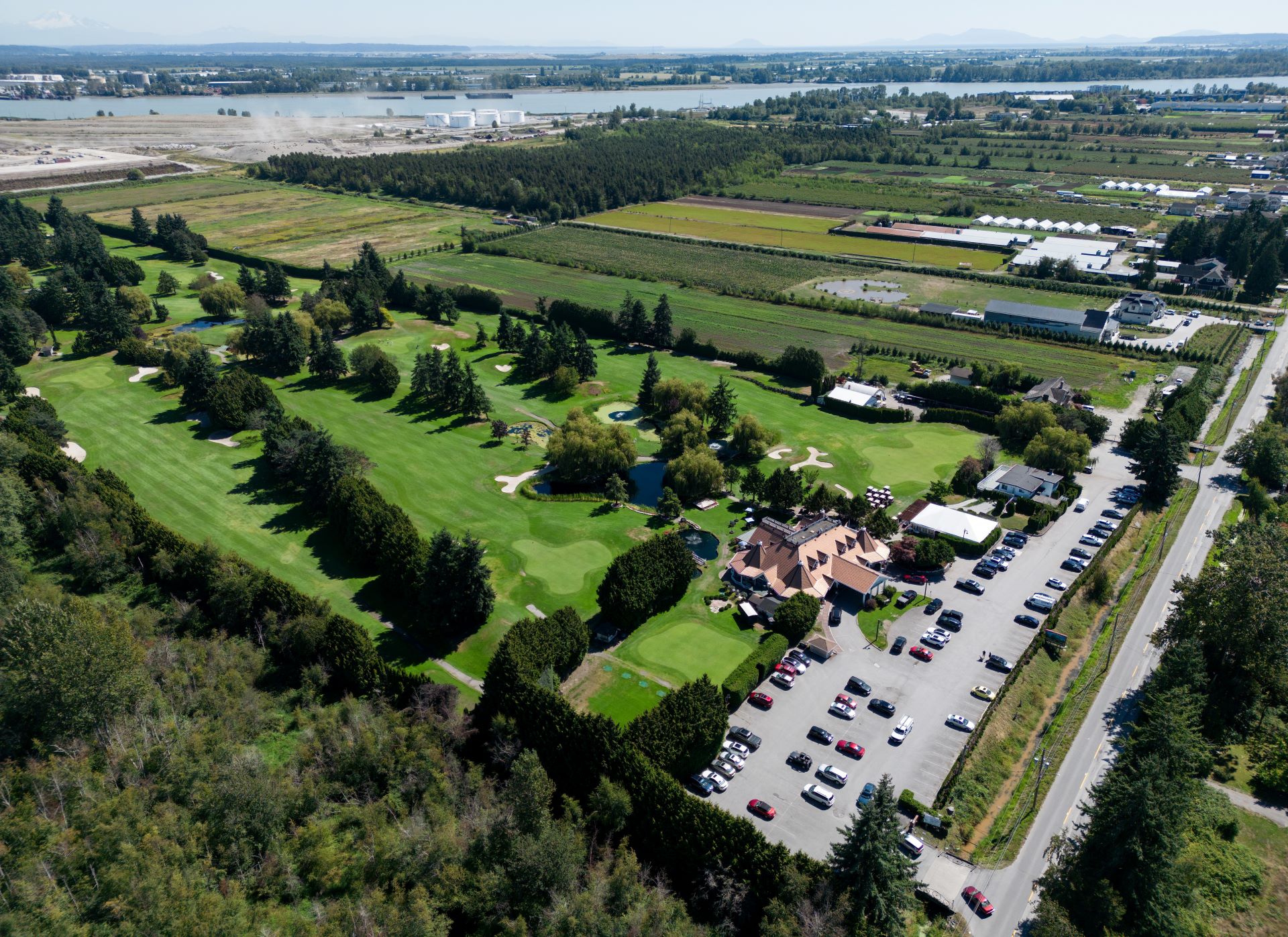
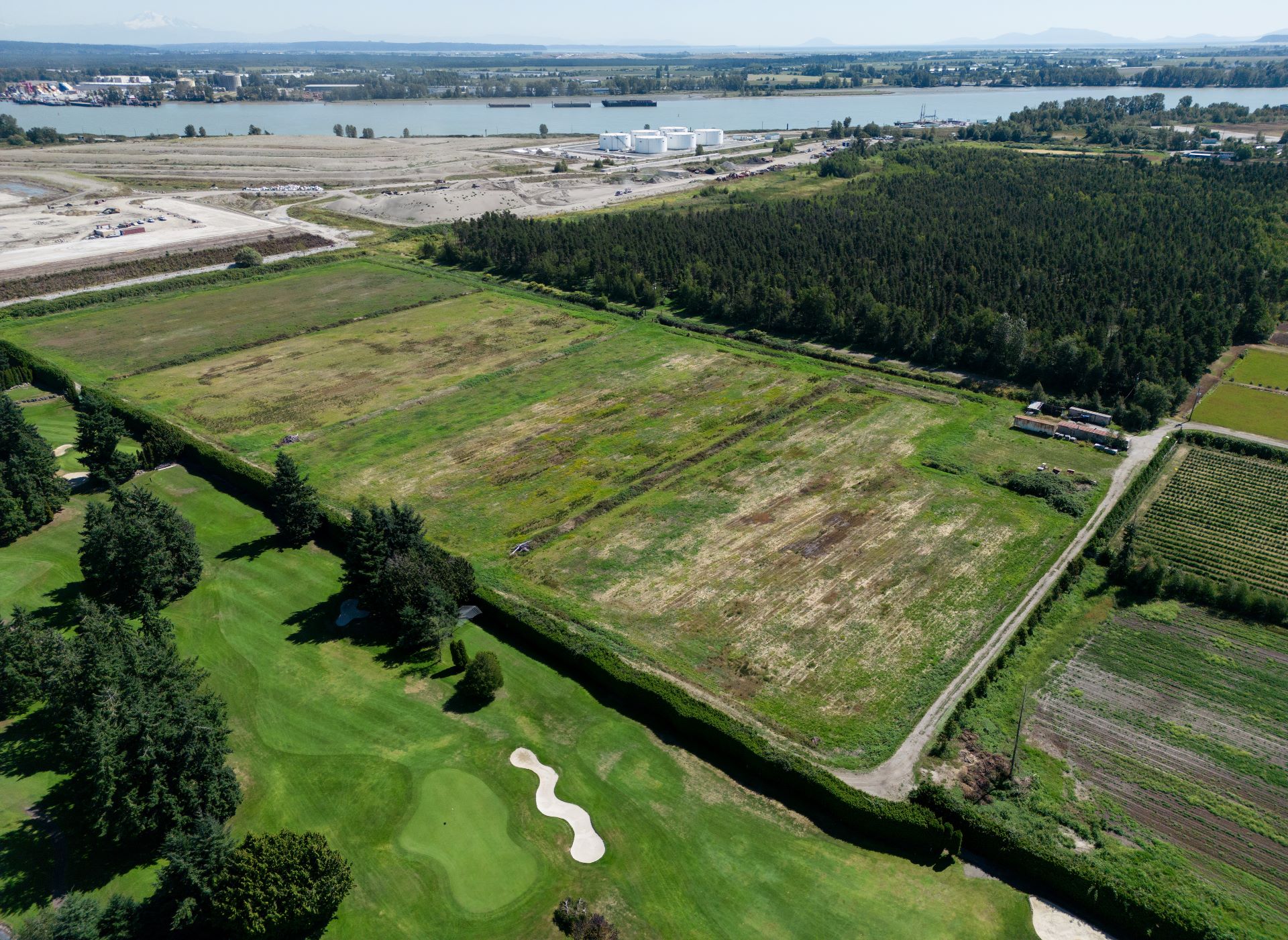
In Cowichan, the court also ordered the return of certain lands owned in fee simple by the federal government and the City of Richmond. But this came only after a five-year trial – the longest in Canadian history – where all affected parties were full participants.
The outcome reflects a careful weighing of fairness, not a wholesale disruption of ownership. This is again consistent with existing law – notably the return of privately owned lands in the recent Chippewas of Saugeen First Nation case.

What the decision does not do
The ruling does not undermine or invalidate the rights of any landowners who were not parties to the case.
Instead, the court directed the federal and provincial governments to negotiate with the Cowichan about how to reconcile Aboriginal title with existing fee-simple title. Those negotiations must balance the rights of both the Aboriginal title holder and these landowners.
The parties can choose solutions – such as compensation, voluntary land purchases or shared jurisdiction – that do not disturb private-property rights.
The suggestion that homeowners could suddenly lose their deeds is unfounded. It’s fearmongering that distracts from the real issue: the long-delayed duty of governments to reconcile Indigenous title with the land title system they created.
The B.C. Land Title Act still stands
Some commentary has suggested the Land Title Act no longer applies to Aboriginal title lands. That is inaccurate.
The court simply held that two narrow provisions of the act do not block Aboriginal title claimants from seeking the return of registered lands. The broader framework of the act – which guarantees title, governs mortgages and regulates property transactions – remains fully in force.
Because the Cowichan were not challenging the title of landowners who were not included in the claim, there was simply no need to notify those landowners and nothing for them to defend. So, the court decided not to formally notify those landowners of the proceeding. That decision saved homeowners needless anxiety and cost.
If in the future, the Cowichan bring claims against these owners, they would then have full opportunity to respond.
Why panic is misplaced
Some fear that Cowichan will unleash a flood of lawsuits against individual landowners. That’s alarmist.
Reconciliation between Aboriginal title and private ownership can and should be achieved through negotiation, not litigation. There is nothing to suggest Indigenous nations want to displace homeowners or seize all private property.
In fact, recent examples show the opposite.
The Haida Nation reached an agreement with the federal government and British Columbia recognizing Aboriginal title while preserving private ownership. The Wolastoqey Nation in New Brunswick has clearly said it does not seek the return of lands from homeowners or small businesses.
These cases reflect a balanced, forward-looking approach: recognition without undue disruption.
The deeper issue
Aboriginal title claims arise from a simple truth – the historical, unlawful taking of Indigenous lands by colonial governments across Canada over centuries.
It is well-known that Indigenous Peoples have a sacred, unique and deep connection with their territories. The Supreme Court has long affirmed that Indigenous Peoples governed and occupied these territories before European settlement. Aboriginal title arises from this and is therefore constitutionally protected.
Yet colonial governments repeatedly granted land to settlers without addressing the underlying Aboriginal title. You can’t give away what you don’t own. That’s a basic principle of property law. These governments have known for generations that this is unfinished business.
Reconciliation requires us to repair the relationship between First Nations and non-Indigenous people. This means there must be avenues – including the courts but ideally negotiations – to consider what is fair in each specific situation. Fee-simple rights cannot simply trump Aboriginal title. Where is the fairness in that?
A moment for honesty and leadership
Cowichan is not a crisis for Canada’s property system. It’s simply a reminder to governments to fulfil their constitutional obligations.
If governments rise to the moment, Cowichan could mark a turning point – not in who owns the land but in how Canadian governments honour the truth of how the current country came to be.
It’s high time for Canadian governments to take seriously their responsibility for reconciliation. Only then can we achieve a just resolution for the unlawful land dispossession upon which Canada is founded.