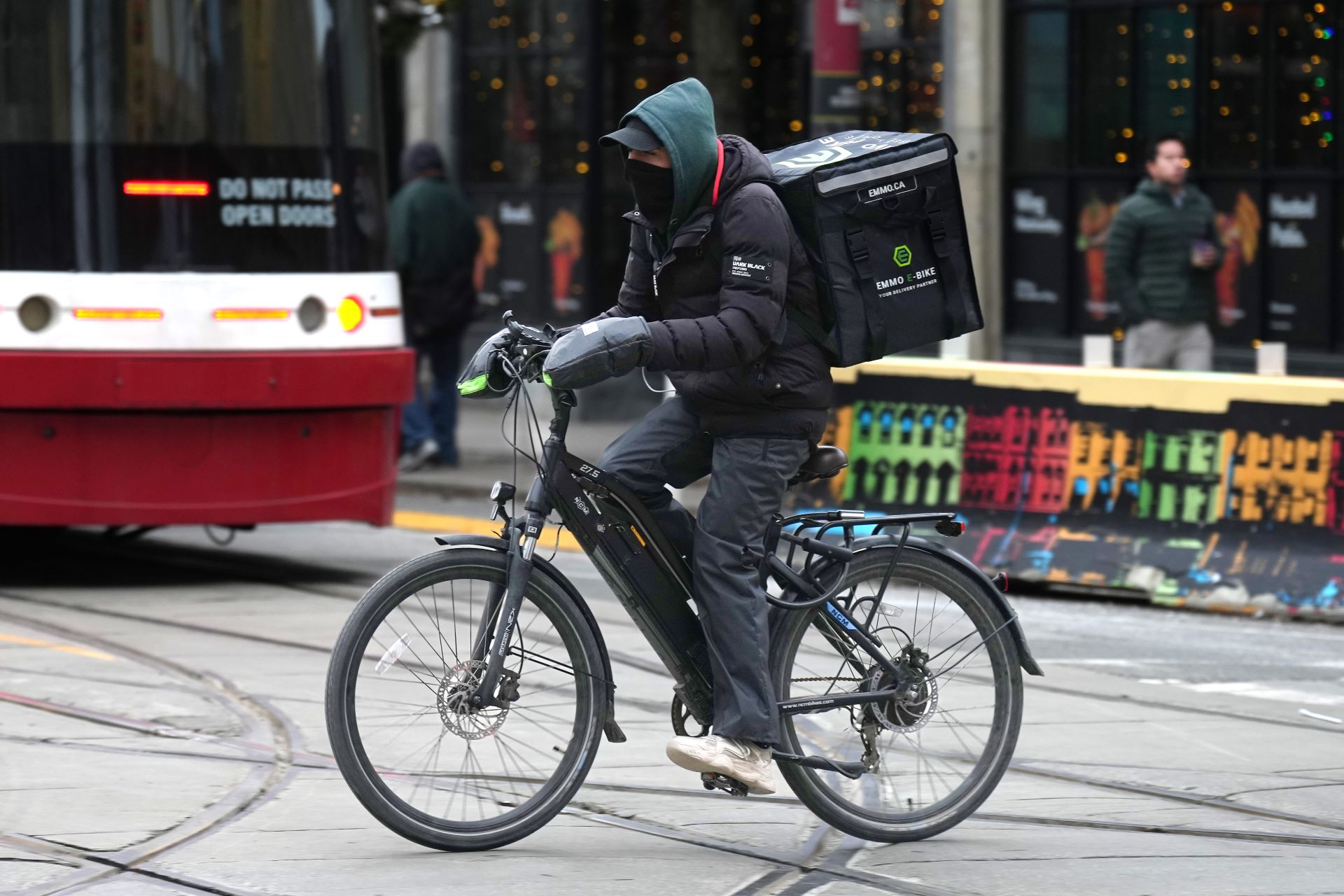
Gig work driven by online platforms is often hailed for its flexibility and for the control it gives people over their schedules and lives. Food delivery workers appear to especially recognize and appreciate this freedom. Apps such as Deliveroo, Foodora, DoorDash and Uber Eats are flourishing. In Canada, revenue from the online food delivery market is projected to reach US$23.64 billion by 2030. The meteoric rise of such apps leaves policies and protections for these workers lagging.
The gig economy remains precarious. Much has been written about the insecurity and quality of jobs. Delivery workers typically are not considered salaried employees. They operate as independent contractors or are self-employed. This makes it difficult to unionize and makes them easy to exploit. Algorithms assign work and reward speed and efficiency. Workers are held to impossible standards of timely deliveries that encourage risks — speeding, modifying vehicles and overlooking safety rules. And all for barely minimum wage. Platforms evade accountability while closely monitoring workers and curtailing workplace safeguards.
Delivery workers around the world have responded with organized protests and lawsuits calling for decent working conditions and the right to unionize. In Canada, Foodora drivers won the right to form a union in Ontario, but the company simply left the country. A $3.46-million settlement with former couriers was eventually reached.
Unsafe infrastructure and tighter rules
Food delivery by bicycle is highly visible and particularly prone to risk. It’s hard to miss a courier carrying a thermally insulated box and pedalling a bicycle on main roads, in bike lanes or on sidewalks. City streets are the de facto workplace. Yet there is increasing “bikelash” from drivers and communities who are against street space for bicycles. Provincial governments have upped the ante in Ontario, Alberta and Nova Scotia by pushing to remove some bike lanes in their cities. Hostility toward cyclists is entrenched. In a pilot test, half of drivers saw cyclists as “less than fully human”; some drivers were deliberately aggressive toward them.
Another aspect is that regulations for e-bikes are becoming stricter. Some provinces have brought in speed limits and fines for non-compliance, which are borne by riders, not the online platforms they work for.
Delivery workers find themselves in a lose-lose situation. Not only are they exploited by the platform, they also face bikelash generated, in part, by authorities tightening rules and not supporting cycling infrastructure.
Delivery work and discrimination
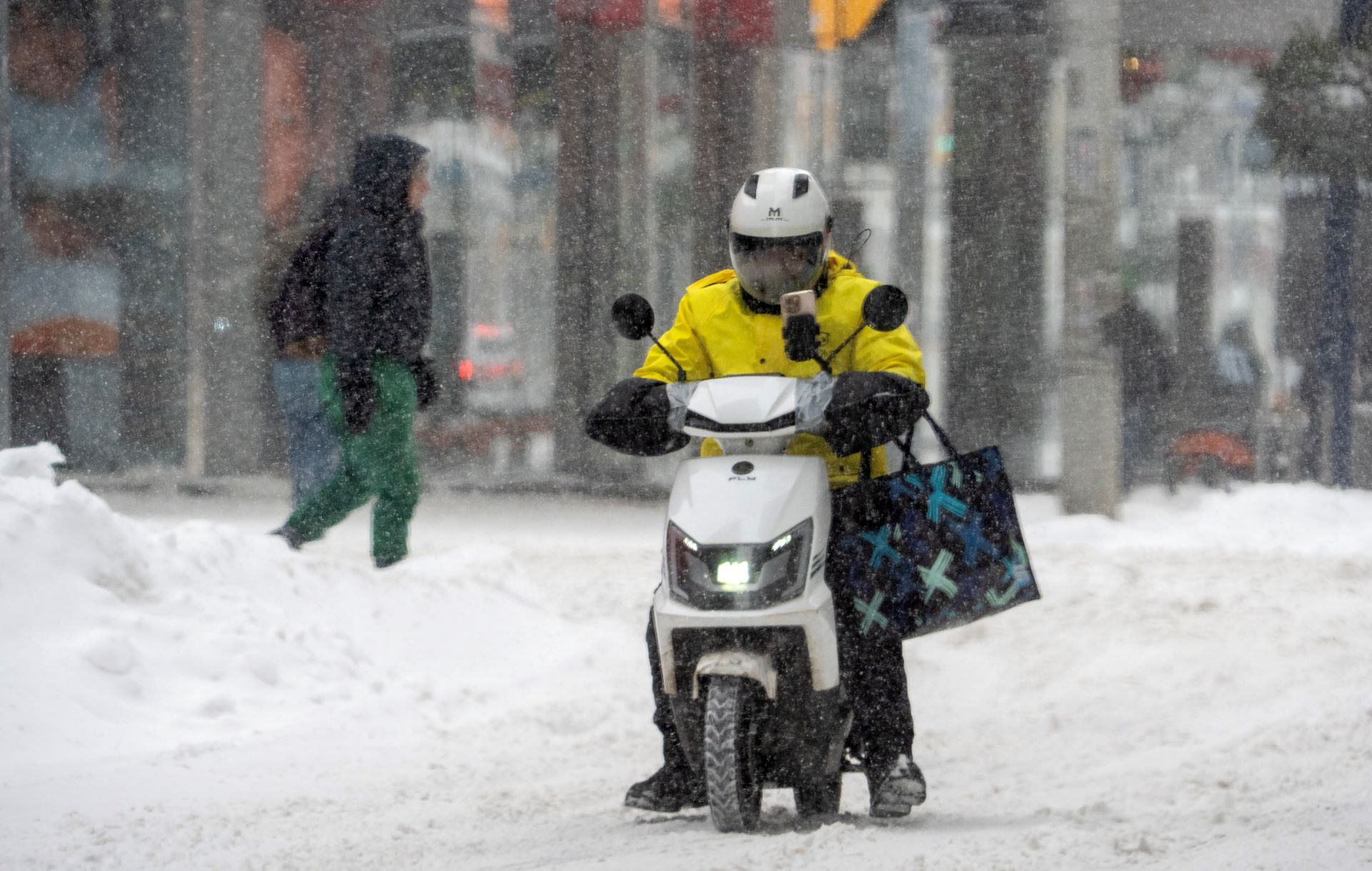
Platform-based delivery work is also prone to discrimination. Migrant workers, especially newcomers from racialized communities, make up a large share of the urban gig economy. They do not choose biking as a form of commute or leisure. For them, it is their livelihood.
Work as food couriers is readily available to them and presents low barriers to entry. That makes it popular among migrants, who face difficulties finding jobs in the formal labour market due to language challenges, limited working visas and lack of recognized credentials.
The bias against cyclists insidiously turns into discrimination against migrant delivery workers, who are portrayed by the public as “bad cyclists” and examples of poor bike safety. Others have been caught up in the targeted crackdown on migrants in the United States, have abandoned their gigs in fear and now struggle to pay the bills. In the United Kingdom, police are stopping bicycles to verify the status of riders. They are referred to immigration enforcement if any irregularities are found. Delivery gig workers thus must choose between earning a living while risking arrest or staying home and going hungry.
Piecemeal policies
In Canada, some provinces have begun to recognize that gig workers need protection. Ontario’s Digital Platform Workers’ Rights Actand British Columbia’s amendments to its Employment Standards Act and the Workers Compensation Act establish a minimum wage and other employer responsibilities.
But these forward-looking laws are undermined by inadequate safety provisions and clampdowns on bicycles. A proposal by Vancouver city council to remove a popular bike lane along English Bay to allow more cars was contested for two years until the idea was quietly shelved. But there are still bike lanes in the city that are not fully separated from traffic and share space (page 7) on heavily used roads.
The Ontario government wants to remove several bike lanes in Toronto to help with vehicular traffic congestion. It was only after months of advocacy and legal battles that a court last summer deemed the removal of bike lanes unconstitutional. The province is appealing the ruling, with a decision on it still to come.
These actions are directly at odds with enshrining safety for delivery workers. Policymakers who advocate for the rights of workers must make it clear that ensuring safe streets, that is, a safe workplace, is part of that responsibility.
Moving forward
The rise of app-based gig work, particularly as it pertains to food services and ride-hailing companies, is reshaping policy expectations. It’s not only about enshrining labour regulations, but also ensuring that delivery work is physically safe. In this regard, solidarity in the workplace and the community has shown positive results as seen in Ontario and B.C. laws.
Unionization of platform workers is the next step. Uber drivers successfully unionized in Victoria last summer, while Gig Workers United and the UFCW Canada continue to push for fairness. Another possible step is worker-owned platforms. In Europe, CoopCycle, a federation of bike delivery co-operatives with dozens of affiliated members, has been advocating its model in the platform economy. Montreal-based Radish, a platform co-operative in the food-delivery sector, is one such example in Canada.
But support will have to come from all fronts — communities, governments and labour groups. Only once all drivers and couriers are treated fairly and equally — and can work in safe conditions — will online gig jobs truly represent a viable, attractive and flexible alternative to the nine-to-five routine.