
(Version française disponible ici)
Based on historic trends, we can safely predict the 2026 census will yet again confirm the decline of French outside Quebec.
In the 2021 census, 3.2 per cent of Canadians outside Quebec declared French to be their mother tongue compared with 3.5 per cent five years earlier – and 41 per cent of them no longer used French at home. That’s a reliable predictor of a future decline in the number who have French as their mother tongue.
One consequence was Bill C-13, an Act to Amend the Official Languages Act, which received royal assent in 2023. The bill’s stated aim is to “advance the equality of status and use of the English and French languages within Canadian society, taking into account the fact that French is in a minority situation in Canada and North America due to the predominant use of English.”
It included several measures to achieve that goal. The government also promised to increase francophone immigration outside Quebec in the hope of halting the decline of French.
These measures are not enough.
Action is needed in francophone areas across Canada along the lines of Quebec’s Charter of the French Language (Bill 101).
To explain why, a little refresher course is needed.
The backdrop to Bill 101
In 1977, when Bill 101 was introduced, demographers predicted the inevitable decline of French in the province based on two simple facts: francophone birth rates were falling. And immigrants – then, as now, a key component of population growth – overwhelmingly enrolled their children in English schools.
The centrepiece of Bill 101 was restricting access to English schools in the province to children of parents educated in English in Canada, thus excluding immigrants and francophones. It is often forgotten that Quebec francophones thus lost the right to enrol their children in English schools. Bill 101 also imposed French as the language of the workplace for firms with more than 50 employees and for public signs.
Bill 101 succeeded in halting the feared decline of French, at least in the mean term. The 2001 census would show that the share of Quebecers with French as their mother tongue had not fallen as predicted. However, Bill 101 could not foresee the dramatic rise since then in the power of English, the global language. In 2022, the Quebec government brought in new legislation (Bill 96) further strengthening Bill 101.
Federal legislation doesn’t go far enough
The 2023 federal act gives the commissioner of official languages added powers to ensure the right of francophones to work in French in regions with a strong francophone presence (RSFPs) – a term that is as yet undefined.
The amended act is unarguably a step forward in the defence of French. Yet, neither it nor increased francophone immigration can halt the decline of French outside Quebec.
The act remains wedded to the noble principle of language equality. Equality is a valid objective for national symbols and institutions. But equality of treatment at the local level is a different matter.
When two languages meet, the dominant regional language will predictably emerge as the common vehicle of communication. Simply affirming that French is the weaker language is not sufficient.
Strengthening French language laws in Canada: Three major legislative initiatives
Minority language rights: Charter’s Section 23 needs to be revised
Quebecers more pessimistic than ever about the future of the French language
The weaker language (French) needs to be imposedin the workplace and on signs, etc., outside Quebec as Bill 101 does inside Quebec if French is to be effectively the usual language of a given location or workplace where francophones are a significant presence.
The amended act does not provide this.
The new powers given the commissioner of official languages to enforce the right to work in French do not allow him (or her) to deny the same equal right to work in English. In short, workers will continue to have the right to work in French or English in federally regulated environments.
The new concept of an RSFP is a welcome recognition that language and place are tied. However, a strong French presence is not sufficient to ensure language survival. A strong French majority is required.
Declines even in strongholds
The 2021 census tells us that outside Quebec francophones must account for at least 80 per cent of the local population for French to be generally transmitted from parents to children – that is, the number of people speaking French in the home is equivalent to or higher than the number who have French as their mother tongue.
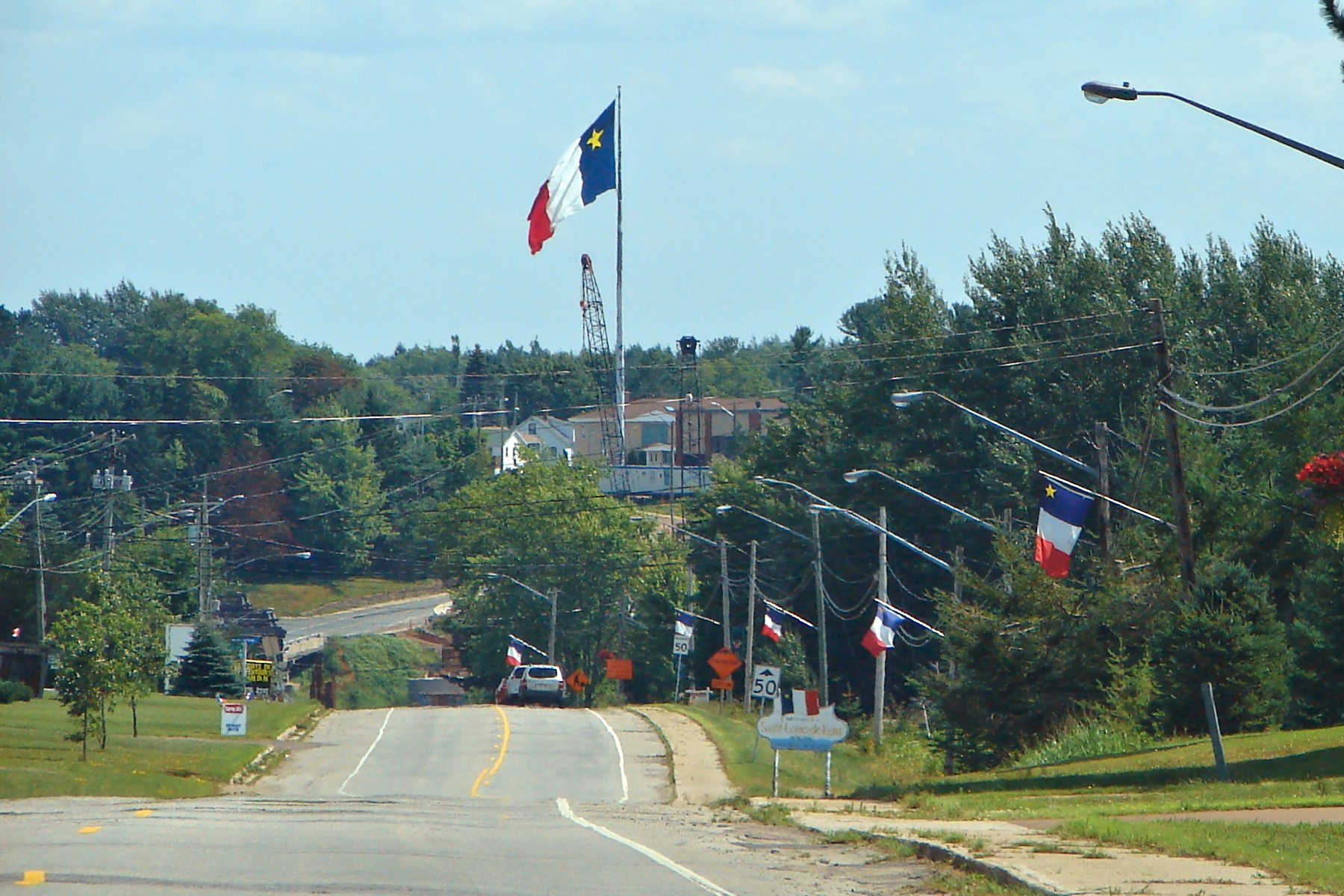
Only two census divisions met this criterion in 2021: the northern New Brunswick counties of Gloucester and Madawaska, which are Acadian strongholds.
Even in strongly Acadian Kent County, which was 63 per cent francophone overall in the last census, 13 per cent of francophones no longer speak French at home. In Greater Moncton, which is close to one-third francophone (mother tongue), Acadie’s cultural capital and home to Université de Moncton, one-fifth of francophones declared they no longer use French at home.
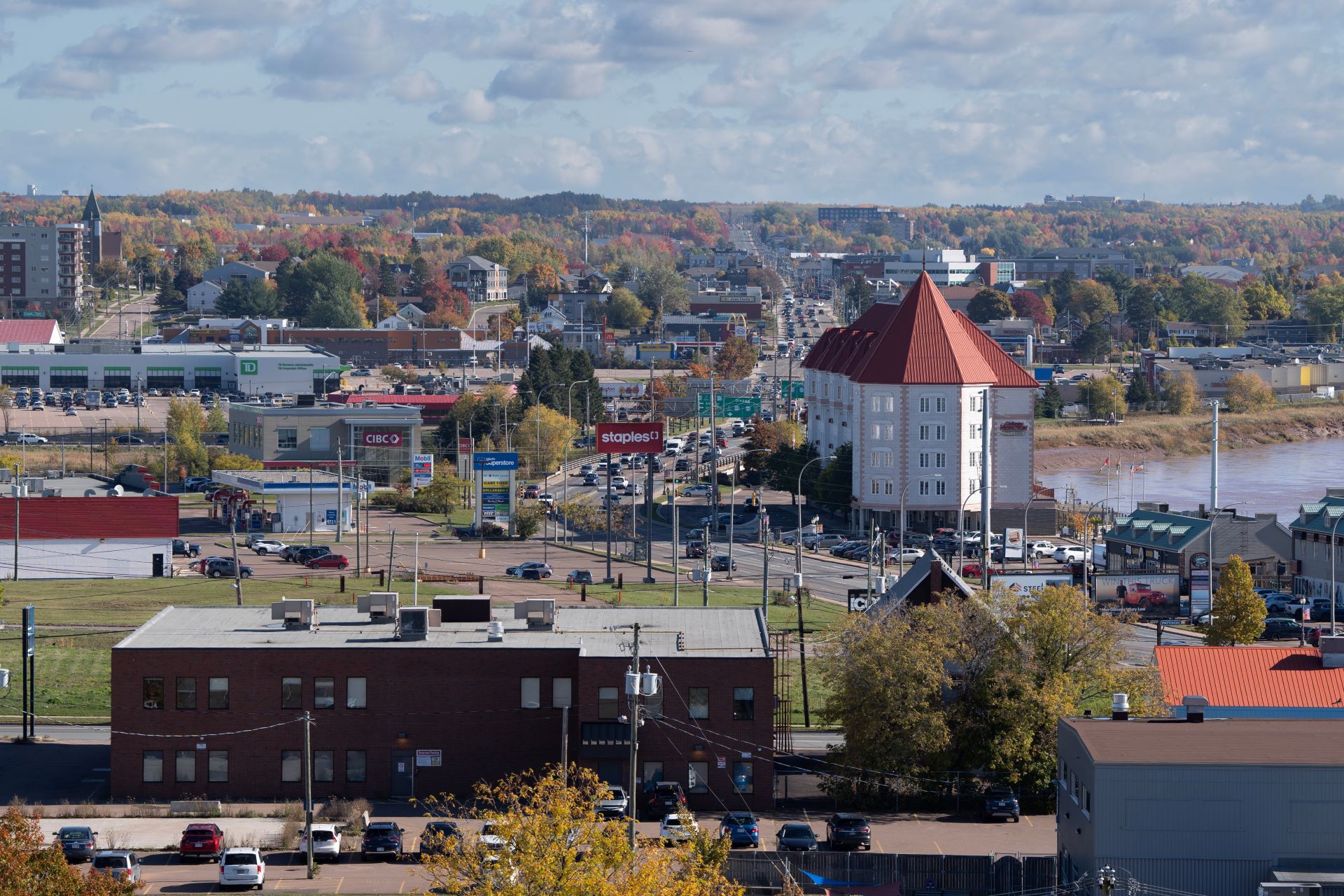
Moncton is arguably the posterchild of a city outside Quebec with a strong French presence, located in Canada’s only officially bilingual province. Yet even here, French is on the decline. The share of the population declaring French as their primary language (first official language spoken) has fallen to 32 per cent in 2021 from 34 per cent in 2016.
The francophone strongholds of Eastern and Northern Ontario also register language losses. The small northern locality of Hearst (population 4,794) is an exception and proudly advertises itself as Ontario’s most French town, with 85 per cent of its residents using French as their home language.
French will undoubtedly survive in homogenous peripheral places such as Hearst or Caraquet and Shippagan on the Acadian Peninsula in northeastern New Brunswick. However, in the absence of other places able to counter the pull of English, the overall weight of the French language outside Quebec will likely continue to fall.

The mechanics of linguistic assimilation are not complicated.
They are a simple matter of mathematics and probabilities. The channel is often marriage. The probability of finding a French-speaking partner in Sudbury – the main urban centre in Ontario with a strong French presence – is about one in three, according to the 2021 census. The probability that the shared language of an English-French couple will be French is even lower.
In Toronto, Vancouver and other immigrant centres, fewer than a 10th of the population can speak French, the census found.
None of these communities provides an environment where French is the usual language, automatically adopted by newcomers and transmitted by native speakers to their young.

A good idea backfires
Section 23 of the Canadian Charter of Rights and Freedoms enshrines the right of francophones outside Quebec to schooling in French – a move first promulgated in the initial 1969 Official Languages Act and a pivotal moment in the relationship between Canada’s two solitudes, redressing a historical wrong.
However, more than 40 years later, Section 23 has become – in a cruel paradox its authors could not foresee – an instrument of assimilation. It does not require francophone and immigrant parents outside Quebec to enrol their children in French schools as Quebec’s Bill 101 does. They are free to choose English schools, which predictably almost all do, and who can blame them?
More surprising, and certainly more troubling, one-third of francophones outside Quebec choose to send their children to English schools, according to Statistics Canada. Even in New Brunswick, about one-fifth of francophone school-age children attended English schools in 2021, according to the census.
English school attendance is less prevalent in the Acadian Peninsula and Madawaska but is nonetheless the choice of one-quarter of francophone pupils (or rather, their parents) in the City of Moncton.
In short, unlike Bill 101, the legislative landscape outside Quebec does not prevent immigrants or native francophones from choosing English as the language of education for their offspring. The result should surprise no one.
How did we get here? Section 23 made sense at the time. The task was restoring the right of francophones, to which they had long been deprived (i.e., Ontario’s infamous Regulation 17 of 1912), to schools in their language.
Under Section 23, francophones outside Quebec have the same rights to French schooling as anglophones to English schooling in Quebec. The hitch is that the principal task is no longer protecting the rights of francophones outside Quebec, although that matters, but countering the inexorable pull of English in a world where it is the language of cyberspace and the young, and where immigration remains the primary component of population growth.
If there is anything to learn from Quebec’s example, it is that without constraints imposed on the use of English and English schools, newcomers and also francophones will be drawn to English, even in strong francophone environment such as Greater Montreal, where 66 per cent of the population use French as their home language. This holds doubly outside Quebec.
Canada needs its own Bill 101
Is it possible to imagine a legislative landscape, provincial and federal, that explicitly gives pre-eminence to French in designated regions outside Quebec? Might further amendments to the Official Languages Act set down timelines, with reasonable transition periods, for making French the language of work in federal government offices in designated RSFPs, hoping that at least some provinces follow suit?
Might New Brunswick henceforth require or at least explicitly encourage all future immigrants – certainly francophone immigrants in strong Acadian districts – to enrol their children in French schools? Might Ontario and Nova Scotia do the same for designated French priority districts? In those same districts, might English school boards be discouraged (perhaps even barred) from accepting francophone pupils eligible under Section 23?
None of this will be met with joy by non-francophone populations. But if we are sincere in wanting French to prosper outside Quebec, Canada must invent its own Bill 101.
It would be much simpler (and satisfying) if the future of French could be assured solely by protecting rights. But more is needed. There must be some environments outside Quebec where French is the normal language of daily life, serving also to integrate newcomers.