(Version française disponible ici.)
Intensifying weather and climatic conditions are costly – not only in physical damage, but also in time lost and in the fading confidence that everyday activities can proceed as planned.
In Calgary last year, wildfire smoke forced high school track-and-field championships to be postponed, and soccer games to be cancelled. Countless other outdoor recreational activities were restricted or nixed altogether.
A hailstorm caused $2.8 billion in damage, with individual homes seeing up to $35,000 for broken windows and torn up roofing. Harlin Kaur struggled to find an insurer who would cover her, and when she finally did find coverage, her rates nearly tripled to $500 per month.
By 2100, the projected costs of flood damage are expected to rise tenfold. Wildfires are projected to burn twice as much land annually.
Often governments turn to ad hoc solutions to address one-off problems. This is not a one-off problem, and the solution can’t be found in a single response. The answer is a change in how we view our collective responsibility to future generations.
This approach has a name: guardianship.
Act now, gain later
Intensifying and more frequent wildfires are a result of past decisions largely by those who are not around to see negative consequences stemming from their choices.
Likewise, the impact of contemporary decisions will be felt long after today’s leaders are gone.
Yet, the people and places most affected – future generations and the living systems that sustain them – are not at the table, just as none of us were present as critical choices were being made 50, 75 and 100 years ago.
Introducing the notion of guardianship into governance is the key to ensure future interests are represented.
Just as this approach can radically reduce future risks from climate-related issues – from building retrofits to agricultural biosecurity – guardianship governance can also transform practices in higher education.
This is more than simply preventing mistakes. It’s about driving a productive and prosperous future for generations. It is about thoughtfully investing in things like early childhood development, rural economic development, cybersecurity protection, and inoculating against ideological polarization rather than trying to reverse it after seemingly insurmountable divisions have settled in.
How it works
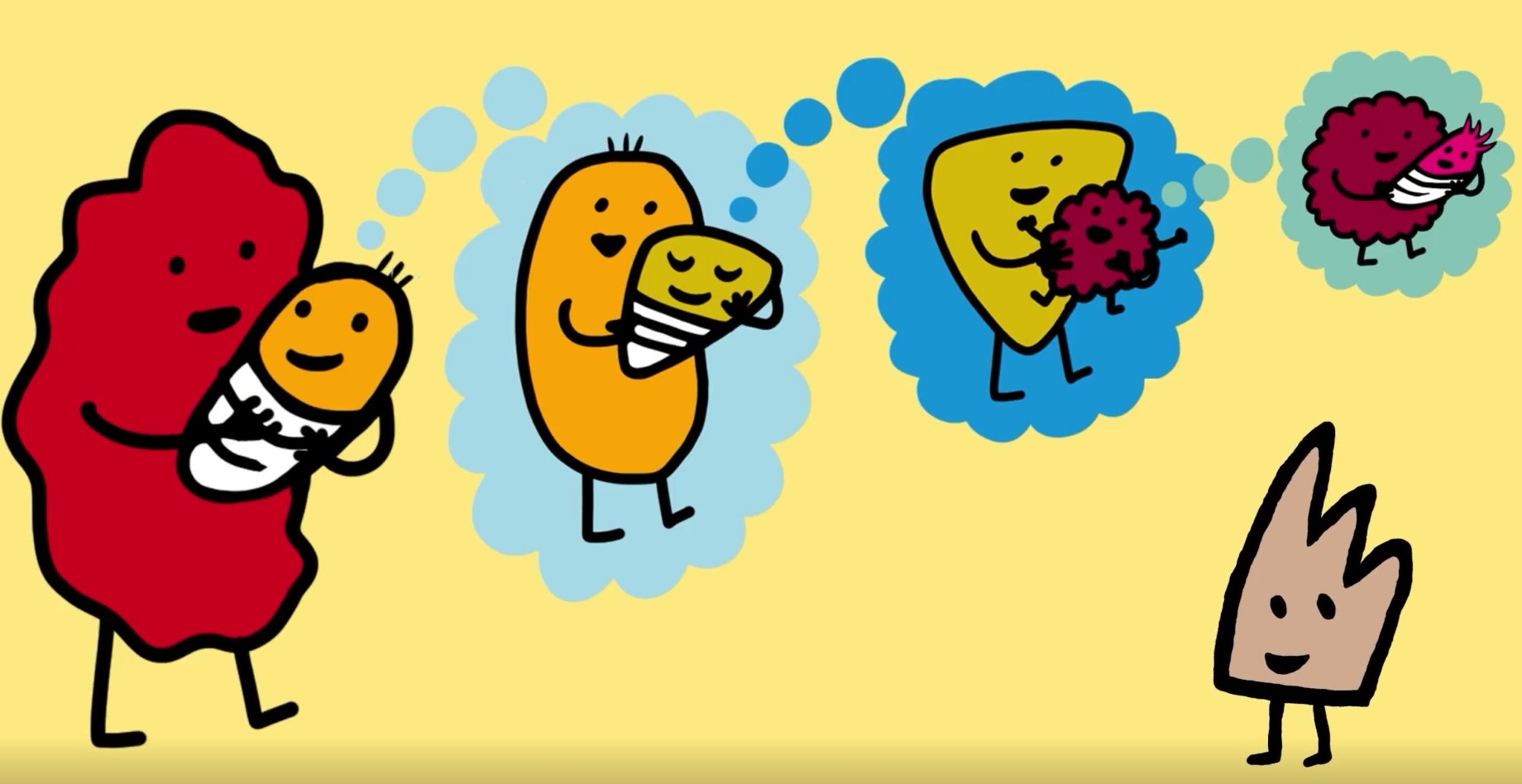
Guardianship begins with appointing a guardian.
This role adds a player around the decision-making table who animates otherwise abstract concepts such as “the planet” or “future generations” so that they are present for during deliberations.
Because today also matters, guardians don’t have a veto. However, the balance they help instil builds a more tangible bridge between planet and economy; now and tomorrow; “they” and “we.”
This is not new. It borrows from Indigenous governance models from around the world.
One of the best examples is Aotearoa New Zealand’s Whanganui River (Te Awa Tupua), which became a “legal entity” through a land claim settlement. Legislation established a guardianship framework representing the “rights” of the river.
Future generations have been codified into law in Wales by the Well-being of Future Generations Act which is transforming how budgets, programs and performance goals are now set. A future generations commissioner acts as a guardian for the interests of future generations in Wales, and to support taking a future-oriented lens in government decision-making.
Benefits of guardianship status
Policymakers often hear complaints about electoral and budget cycles driving priorities. Short-term gains overshadow the long-term.
Planning 25, 50 or 100 years into the future requires suspending ego and needs perceived as immediate. Future guardianship invites rigorous consideration of factors and resources shared with those yet to come and the planet they will inhabit rather than a monolithic – and costly – focus on today’s structures, budgets and wish lists.
How universities can be places of common ground in an age of diversity and polarization
Honouring Indigenous self-determination by applying parallel paths
Instead, decision-makers must look the guardian in the eyes as they deliberate on things like reckless deficit spending, lacklustre innovation and pollution.
This approach offers an off-ramp from potential clashes within groups. Instead of confronting each other, we now face a common challenge and can make thoughtful long-term investments to protect our water, youth mental health and social vibrancy that will drive paradigm-changing innovations today and into the future.
Guardianship in practice
At the University of Calgary Cumming School of Medicine, two guardian positions were created to represent the planet and future generations. They sit alongside academic and community leaders in the new inclusive governance body to set and drive shared priorities with the dean and academic leaders.
They convene communities on‑ and off‑campus, industry voices, elders, researchers and youth to imagine years into the future, and integrate those imaginations into current realities. In these forums, they scan horizons looking for signals and drivers of change, shape ultra long-term plans for various scenarios and conduct future-back mapping exercises to align near-term budgets and policies with long-range goals.
In a relational model of governance, guardians are not simply symbolic. They constitute a functional and legitimate relationship between present-day leadership and the interests of future generations.
Enshrining this role in governance and other decision-making structures – in higher education and beyond – leads to healthier, more accountable choices that turn “later” into an equal partner at the table.
This article is part of a series on inclusive governance. Read more here.