OTTAWA – The Carney government unveiled a new front bench of deputy ministers in what insiders are calling the most strategic shuffle in decades. This wasn’t routine: the prime minister deliberately repositioned key roles, created new posts, and brought in a handful of outsiders.
The shuffle was big. Eight deputy ministers are leaving and 12 are moving into new jobs, with another round of moves — said to be on a similar scale — expected in the new year.
Carney locked down the politics, set out his economic strategy, and booked the spending and job cuts in 2025. Now he is putting in place the team he expects to execute his plans.
A shuffle driven by fit
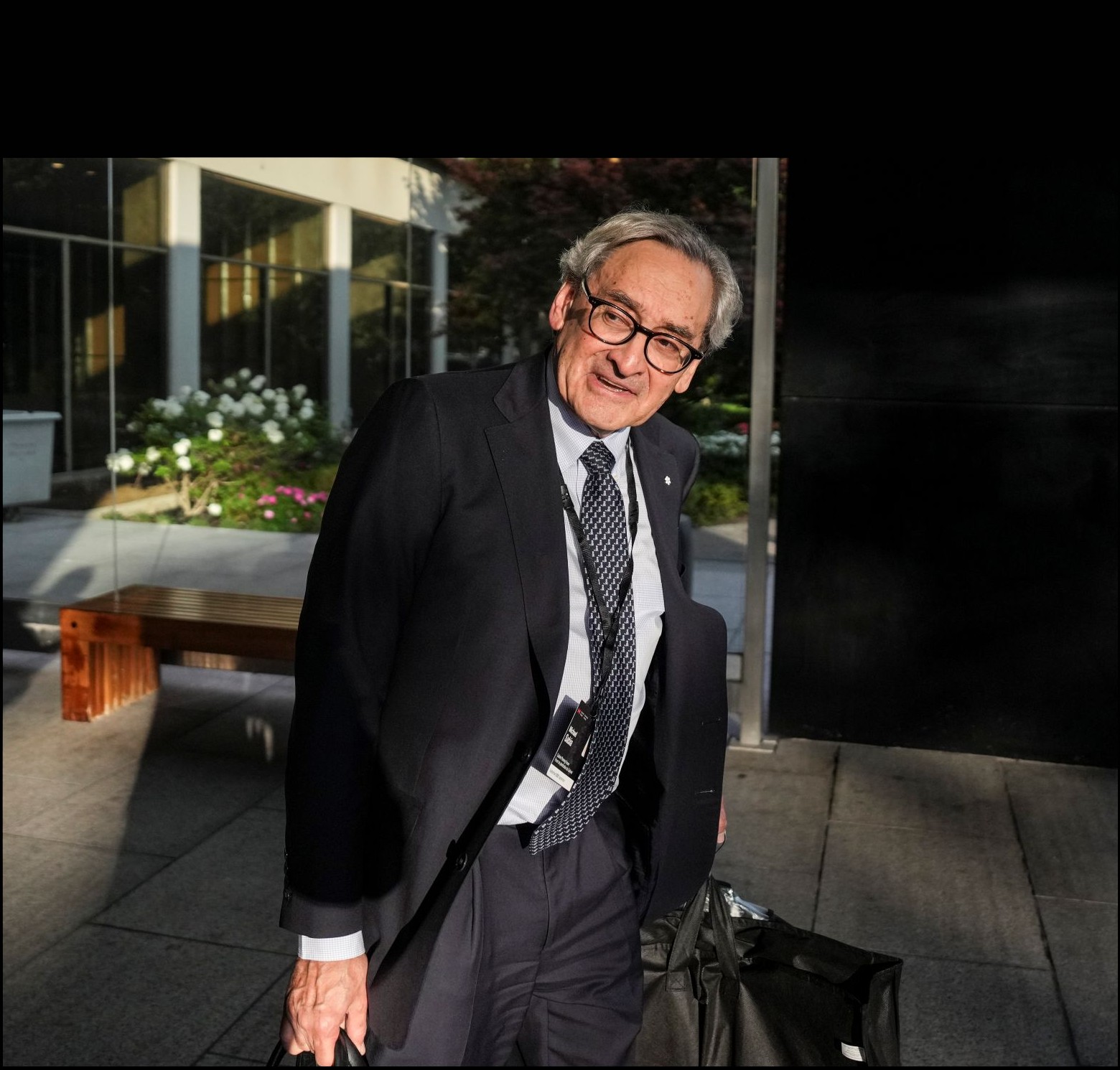
People familiar with the moves say they were about finding the best fit, not questioning the competence of departing deputies, many of whom are respected and had long careers. Carney and his deputy minister, Privy Council Clerk Michael Sabia – who is also head of the public service – spent seven months sizing up the bench. They selected deputies whose skills and leadership style best matched the government’s priorities — economic growth, energy, natural resources, and defence.
Most deputy minister shuffles are routine, driven by retirements. They plug vacancies and backfill as the dominoes fall. This one drew unusual attention because Carney arrived, signaling he was prepared to move, sideline, or replace senior officials who could not deliver — fueling speculation that outsiders might be brought in to shake up the public service.
A deliberate strategic reset
The question was whether the government would fill vacancies or use the moment to change course. Insiders say it was both — but tilted decisively toward a strategic reset. “This is the most deliberate and strategic shuffle I’ve seen in more than 20 years,” said one long-time senior bureaucrat with no authority to speak publicly.
By the time the next phase of the shuffle kicks in, Sabia “will have moved a number of deputy ministers he no longer sees as the right fit for his priorities,” said one senior official. Their skills, leadership style, or experience don’t line up with the government’s priorities – or with the speed and results they expect.
Read Kathryn May’s newsletter on the public service, The Functionary.
Another said the shuffle could shift how senior leadership changes are managed.
“Carney and Sabia are being very intentional about using existing deputies in a strategic way. It’s not a repudiation of the public service. It may be a shift toward being more deliberate in moving out people who are weaker, but he’s moving people in who are strong public servants,” he said.
Drawing largely from within
And Carney and Sabia did largely draw their new picks from within the bureaucracy.
Some speculated Carney, a former Finance associate deputy minister himself, might bring in an outsider to run the department — as Mulroney once did with Stanley Hartt. Instead, the role went to career bureaucrat Nick Leswick, now executive director of policy at the Bank of Canada. Leswick had been associate deputy minister under Sabia and even stepped in as interim deputy minister after Sabia left.
“A big takeaway for the public service: Michael Sabia is all business, but he’s doing business with the existing public service; that’s the pool he’s going to use and demand results” from, said one senior bureaucrat.
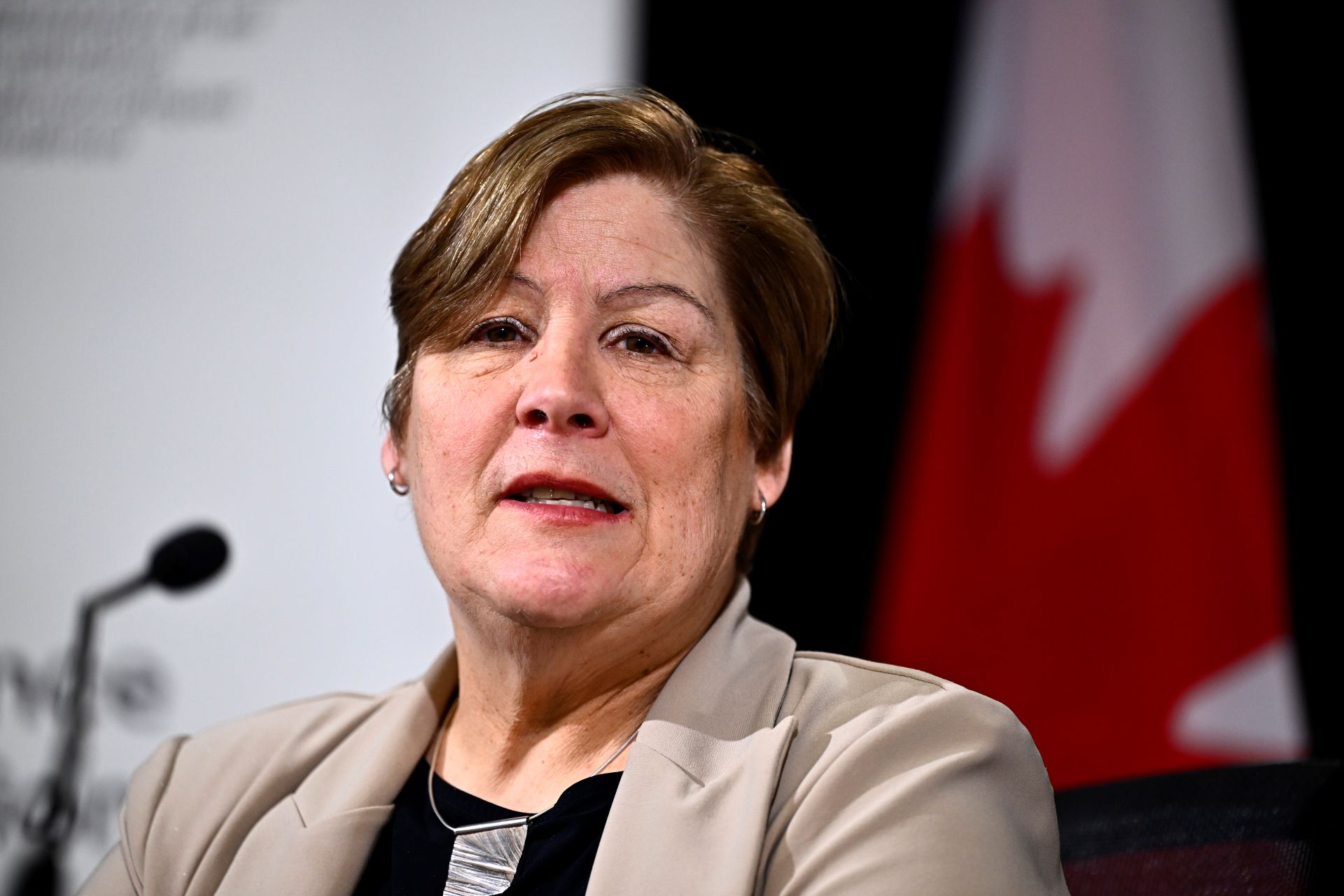
There are, however, two big exceptions. The most striking is the unusual appointment of a judge as attorney general and deputy minister of justice: Quebec Court of Appeal Justice Marie-Josée Hogue who led the public inquiry into foreign interference in Canadian politics. Will she recuse herself on matters related to that inquiry? That’s already an open question.
Hogue replaces Shalene Curtis-Micallef who becomes deputy minister of health.
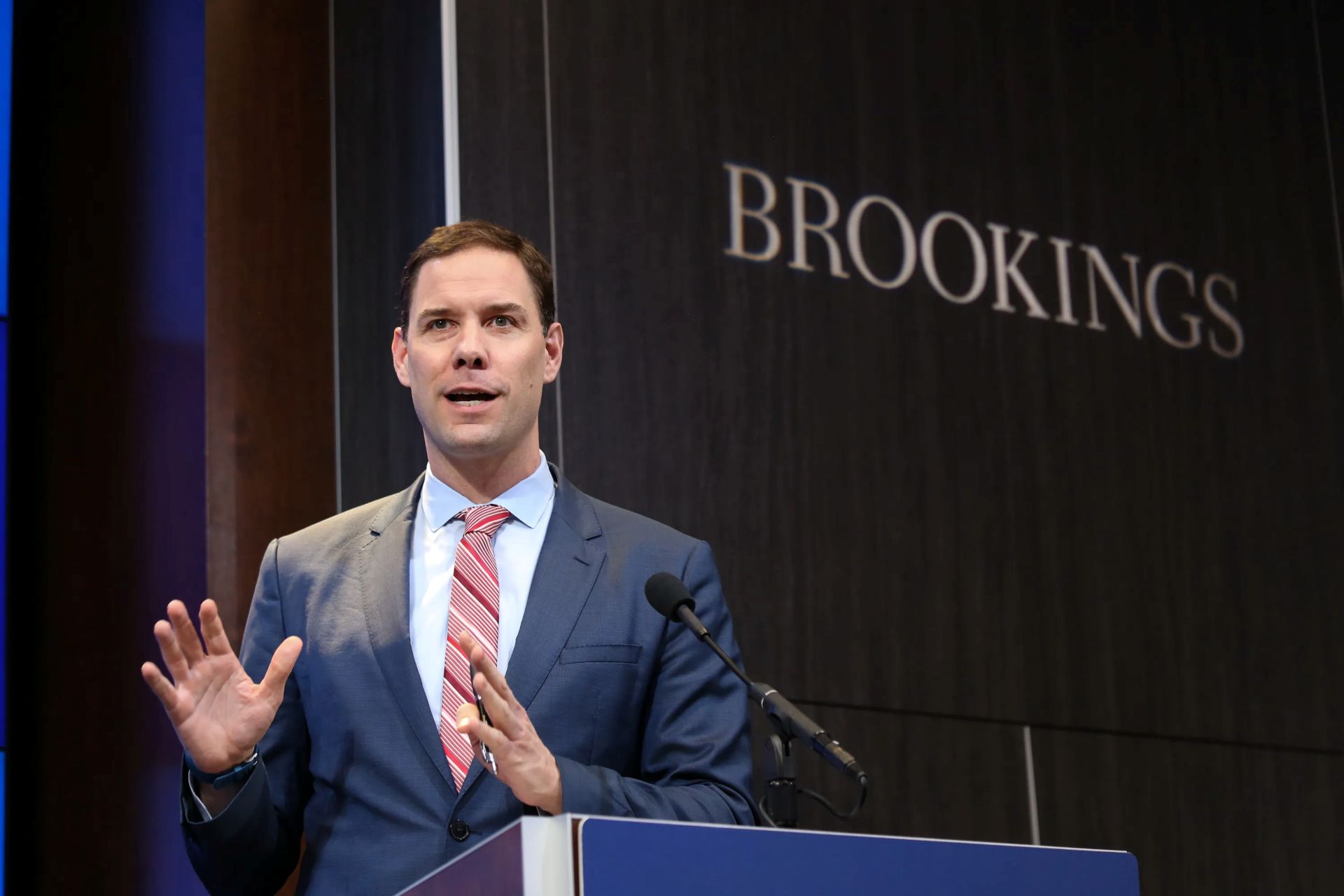
The other is John McArthur as the PCO’s first deputy secretary of economic policy, a role that bureaucrats call the “in-house economist.” McArthur, a Brookings director and former Oxford scholar, brings a CV stacked with senior roles in global development and economic strategy.
Beefing up economic firepower at PCO
The move is part of a broader PCO reorganization, clearly beefing up its economic firepower and take a bigger role in economic policy – not leaving it solely up Finance. Bureaucrats say McArthur’s job is to fuel the big thinking the prime minister has an appetite for – and McArthur also has strong climate and sustainable development credentials.
They also tapped Alison O’Leary, the associate deputy minister at Finance, for a new senior PCO role as deputy minister of intergovernmental affairs. She faces a heavy agenda: dismantling interprovincial trade barriers, navigating a fraught federal-provincial landscape, as Quebec and Alberta talk referendum politics, all while provinces brace for the economic fallout of U.S. protectionism.
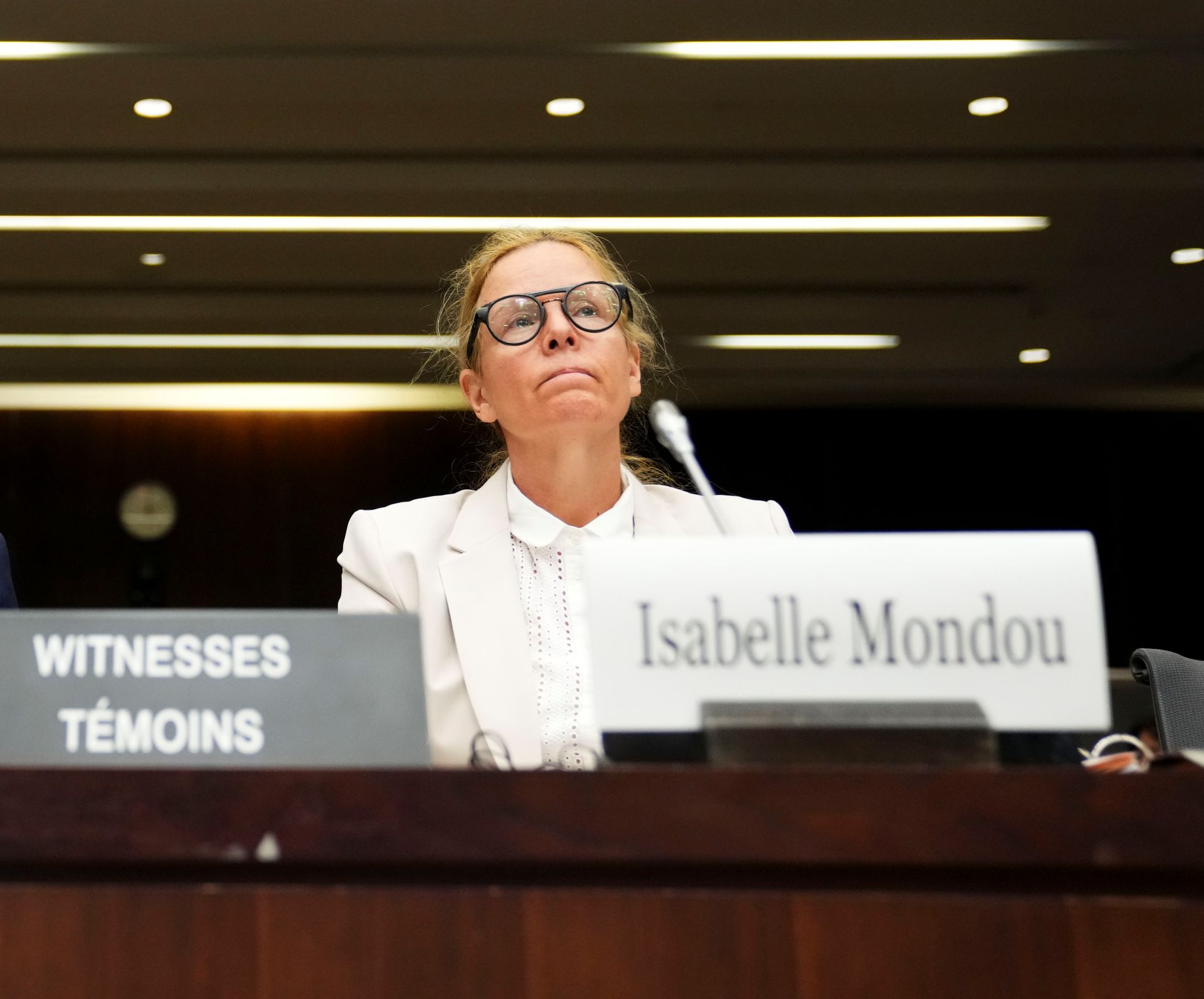
Sabia also added a new second-in-command, naming Isabelle Mondou—a PCO veteran and the Canadian Heritage deputy—as deputy clerk. She takes over from Chris Fox, who has pulled double duty as deputy clerk and deputy minister of intergovernmental affairs. She is moving to Defence, replacing Stefanie Beck.
Fox had previously served alongside Nathalie Drouin, who also acts as a deputy clerk while holding the powerful national security and intelligence adviser post. Having two deputy clerks is unusual, and many are watching whether Sabia will eventually return to a single-deputy model.
A high-profile move to defence
Fox moves to National Defence, a Carney priority, with no defence background, but likely has logged more face time with the prime minister than most deputies.
Rising through communications, Fox has held several deputy roles, including at a troubled Immigration, Refugees and Citizenship Canada, which faced chronic backlogs and policy crises. She has built a reputation as a master of “issues management”—politically savvy, steady under pressure, and adept at anticipating problems before they escalate. “I don’t think there’s anyone better in government at that,” said one former colleague.
Moving leaders into new departments as downsizing begins can be chaotic, dropping deputy ministers into the task of executing cuts they did not design or recommend. But others argue the timing itself sends a message: the government is not putting the system on hold while spending cuts continue, and expects departments to move ahead with implementation.
The clerk of the Privy Council wears several hats: deputy minister to the prime minister, secretary to cabinet, and top bureaucrat. Many say Sabia focuses on the first two roles rather than day-to-day management. When appointing deputy ministers, he recommends candidates, but Carney has final say.
Who is out
It remains unclear how many of the departures were retirements, voluntary or encouraged exits. But key Carney priority portfolios — including Finance, Natural Resources, and National Defence — saw incumbents moved out and not reassigned. Governance expert David McLaughlin was blunt in an analysis he titled “Deputy Minister Overboard…”
“For whatever reason, the previous deputies were not deemed ‘fit for purpose’ to deliver the new government’s agenda and may not yet be ‘repurposed’ into something else. They have been ‘retired,’ it appears,” he wrote.
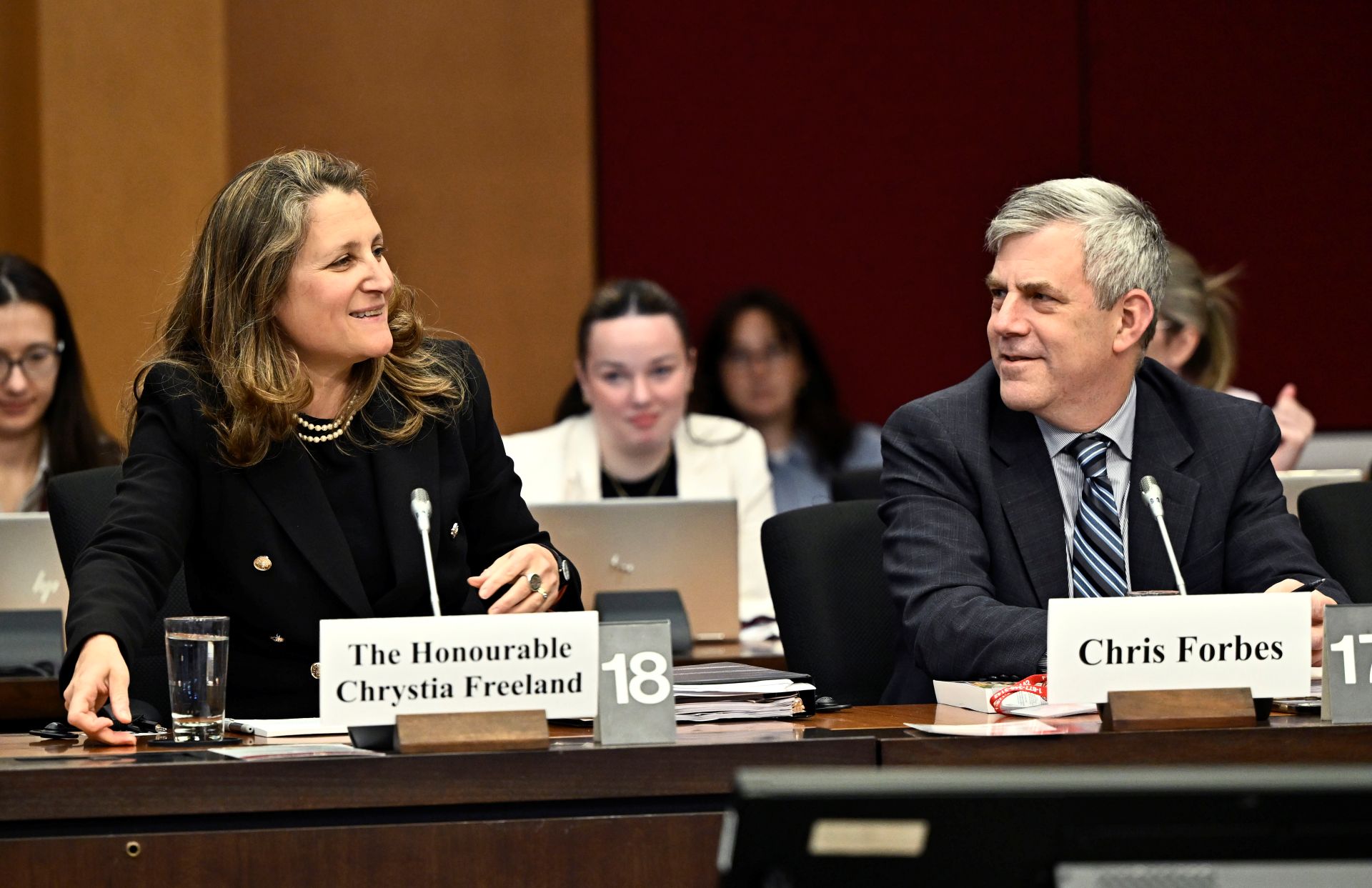
Finance deputy minister Chris Forbes, who had long been expected to retire, has moved into a senior advisory role at the Privy Council Office – a spot that often precedes an appointment outside the bureaucracy. The big question mark is Natural Resources deputy minister Michael Vandergrift, who is being replaced by Health deputy minister Greg Orencsak. There’s widespread chatter Vandergrift will surface in a new “strategic” post in the January round of shuffles.
Orencsak, a career Ontario bureaucrat, joined the federal public service in mid-2024. Provincial bureaucrats typically have more operational experience, and Orencsak is considered a strong NRCan fit, having held a string of senior economic portfolios, including as head of Finance.
What comes next
With the next phase of the shuffle expected to be just as large, speculation has already turned to what comes next.
All eyes are on deputy clerk and national security and intelligence adviser Nathalie Drouin; her departure would trigger a domino effect across the security and intelligence community. David Morrison, currently foreign affairs deputy minister, is seen as a potential successor — a move that would set off another cascade of changes.
Meanwhile, several departures have already left key vacancies. Annette Gibbons (Fisheries and Oceans), Paul Ledwell (Veterans Affairs), and Ron Hallman (Parks Canada) have all moved on, leaving their departments in search of new leadership.
Another question is whether Sabia will thin the growing ranks of associate deputy ministers rather than replace them. There are at least six vacancies. For example, O’Leary left Finance; Francis Bilodeau moved to head Canadian Heritage, leaving his associate post at Innovation, Science and Economic Development vacant. Michelle Kovacevic also jumped from an associate post to become deputy minister at Indigenous Services following the retirement of her boss, Gina Wilson.
This article was produced with support from the Accenture Fellowship on the Future of the Public Service. Read more of Kathryn’s articles. Kathryn writes The Functionary newsletter about the federal public service.